Sheridan County Oral History Project
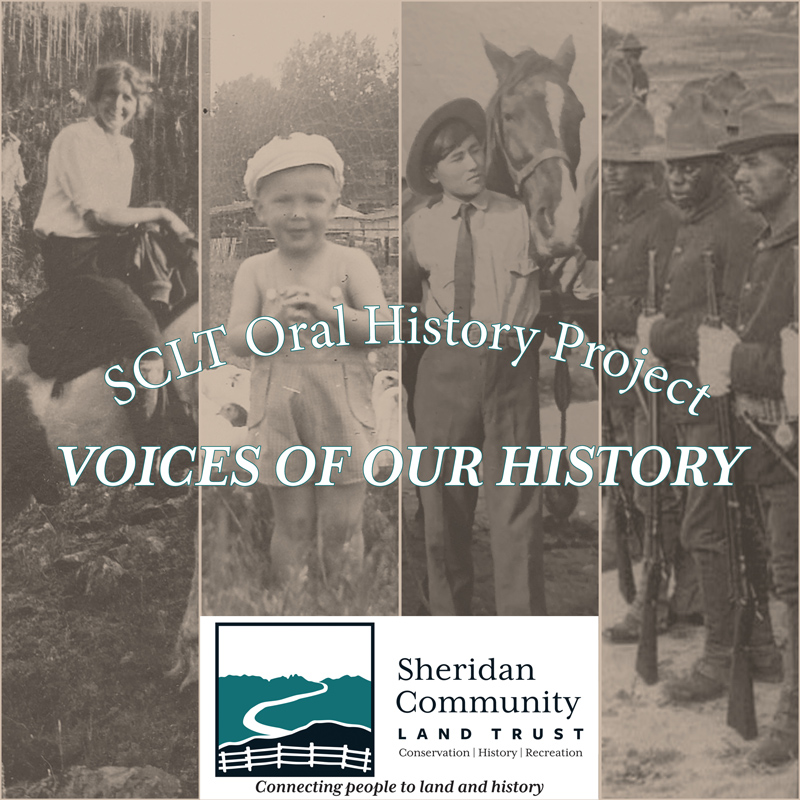
SCLT’s oral history project is a new effort to capture the firsthand experiences of longtime residents of Sheridan County. The first year focuses on Living on the Land: Memories of Work, Water, and Home, preserving stories that are quickly fading as lifestyles change. Through recorded interviews, these stories will be archived to support future historians, educators, students, and the community.
Voices of Our History: Preserving Stories of Work, Water, and Home in Sheridan County
Why This Matters?
SCLT is beginning a new effort to capture the stories that shape Sheridan County, directly from the people who lived them.
“SCLT’s new oral history program is a project aimed at chronicling longtime residents’ firsthand experiences with Sheridan County’s history,” said Kaitlin Shaw, SCLT History and Outreach Assistant. “We are hoping this project will be the forerunner for a multi-year project, with each year’s work being themed around a different aspect of local life in years past.”
The first theme, Living on the Land: Memories of Work, Water, and Home in Sheridan County, sets the tone for what’s to come.
Why Now?
“These stories need to be recorded while the people who experienced them are still alive,” said Kaitlin Shaw, SCLT History & Outreach Assistant.
As technology and daily life have changed at a rapid pace, even relatively recent ways of living—how people worked the land, managed water, or built a home—are quickly fading from lived memory into abstraction.
“A lot of information can be gleaned from sources such as old newspaper articles, [but] these will not give the full picture about what life was truly like.”
What We’re Looking For
The program will focus first on:
- Longtime farmers and ranchers
- Individuals connected to conserved or historic properties
- Local veterans
But the door is open wider than that.
“Anyone with an interesting story is welcome to reach out,” Shaw said. “Even if you don’t have personal experience, if you have old family stories, we would love to hear them.”
What to Expect
- Interviews typically take place at the SCLT Welcome Center
- Flexible options are available for those who can’t make it in person
- Sessions last 1–2 hours
- Participants can share freely and have control over what is made public
- Photos can be scanned and preserved alongside recordings
How Stories Will Be Used
SCLT will preserve each recording and provide participants with a digital copy to share with family and friends.
Recordings will be made available to support future historians, educators, students, and public research. Stories will also be available on the SCLT website and a future listening station at the Welcome Center.
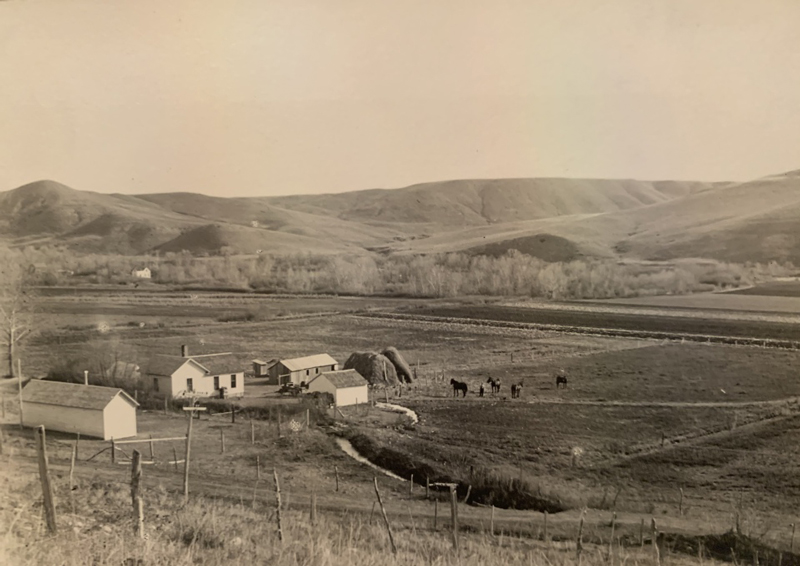
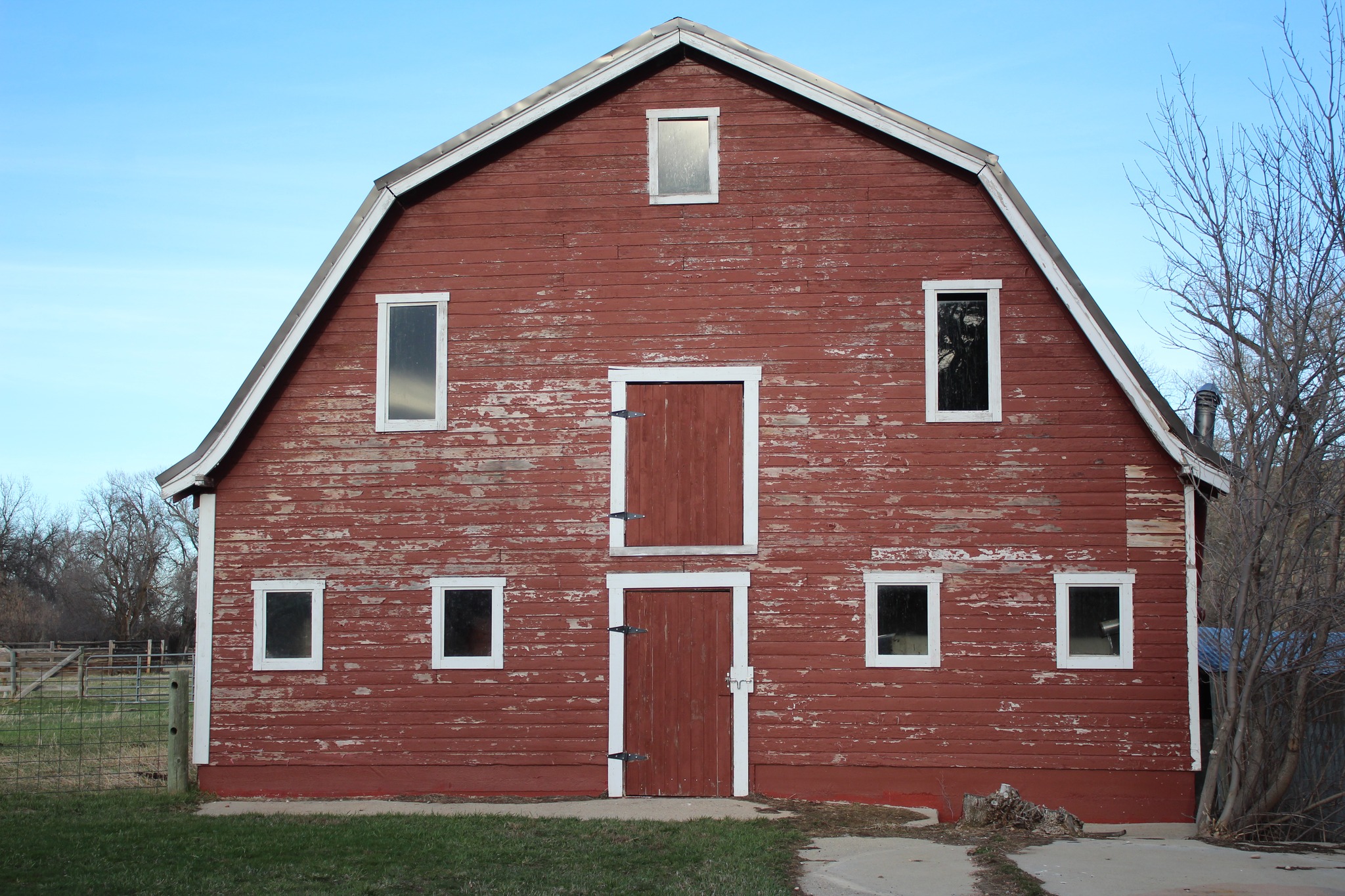
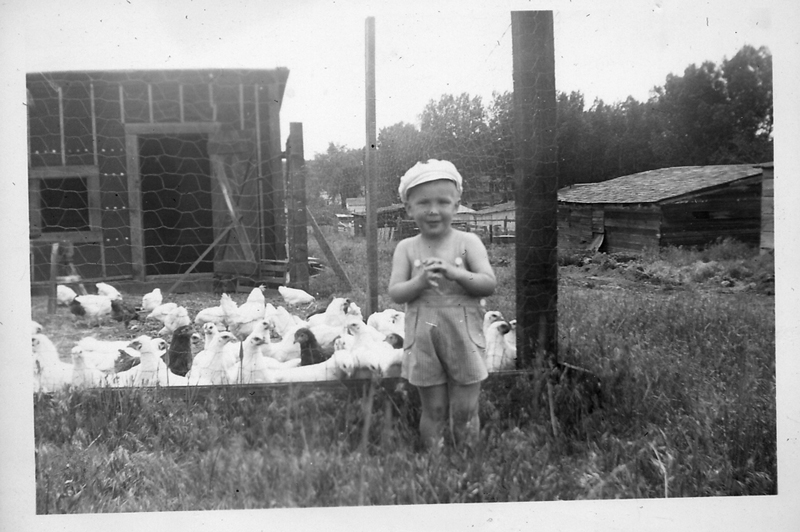
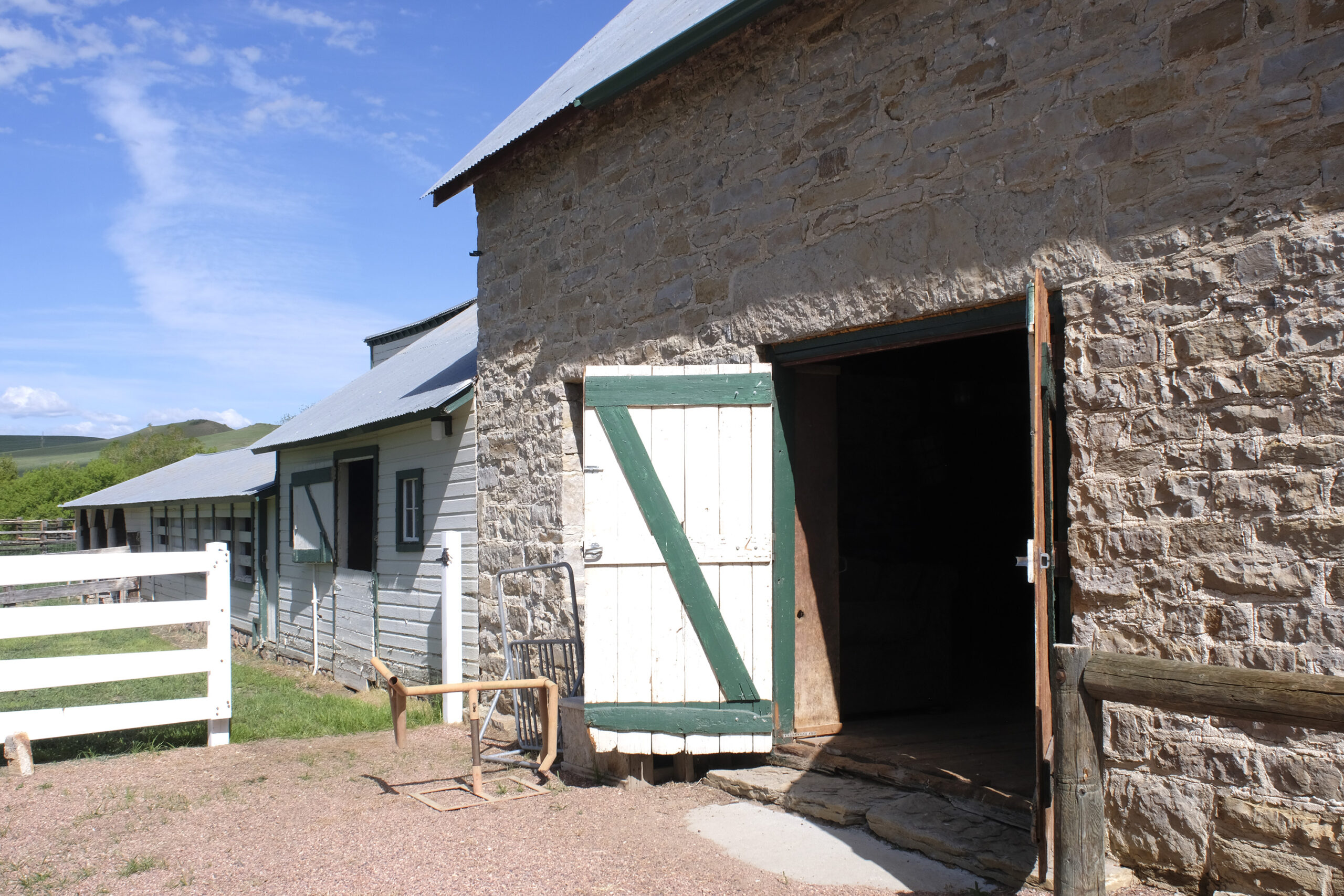
“This project is about more than preserving the past. It’s about giving future generations a way to understand it.” ~ Kaitlin Shaw, SCLT History & Outreach Assistant
Questions? Or to schedule a tour.
Contact Us Today: