Conservation in Johnson County
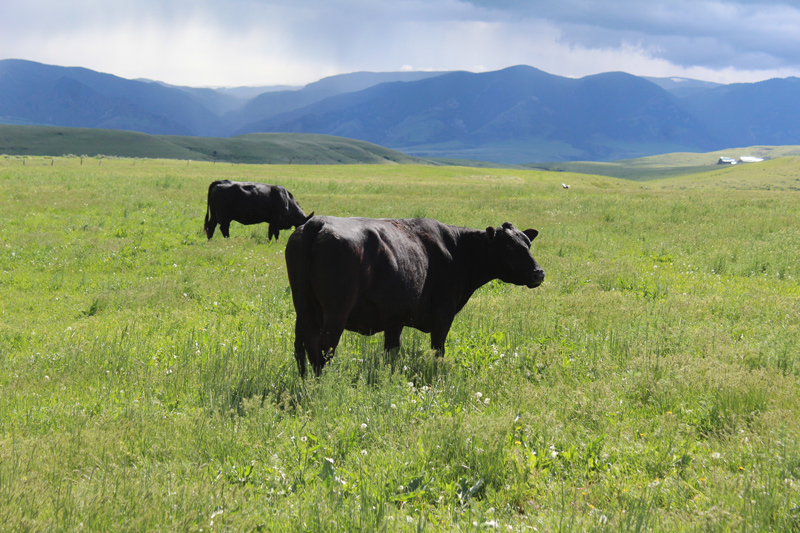
Johnson County’s working lands are a vital part of our connected regional landscape. SCLT is pleased to make our voluntary conservation easement program available to Johnson County landowners who want to explore options for keeping their ranches productive, whole, and in local hands. With 20 years of experience in this region, we have the capacity to coordinate, hold, and steward conservation easements — complementing our continued commitment to Sheridan County landowners.
Local Families Have Worked with SCLT to Conserve
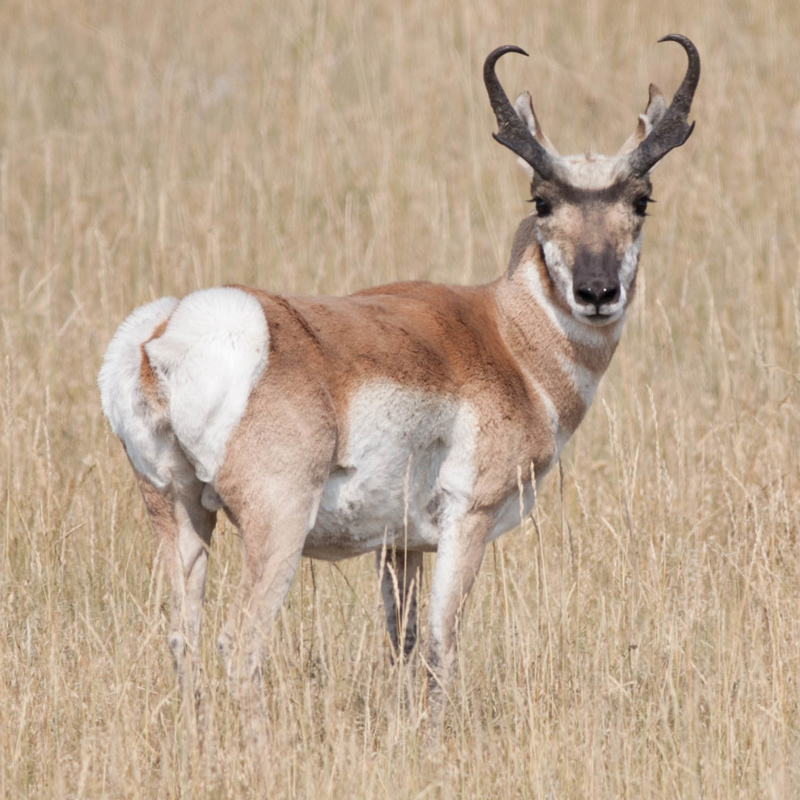
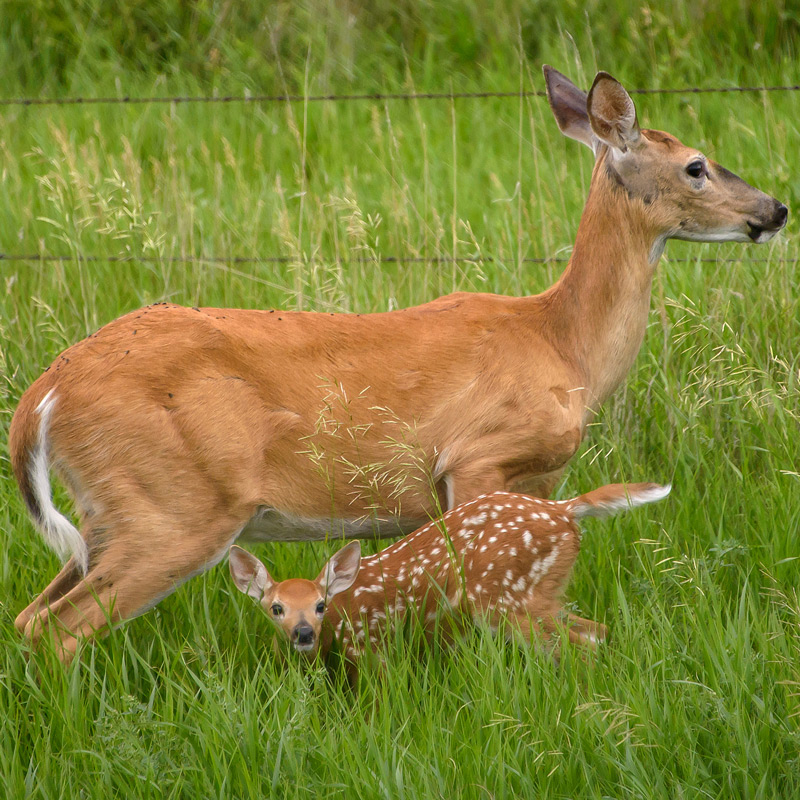
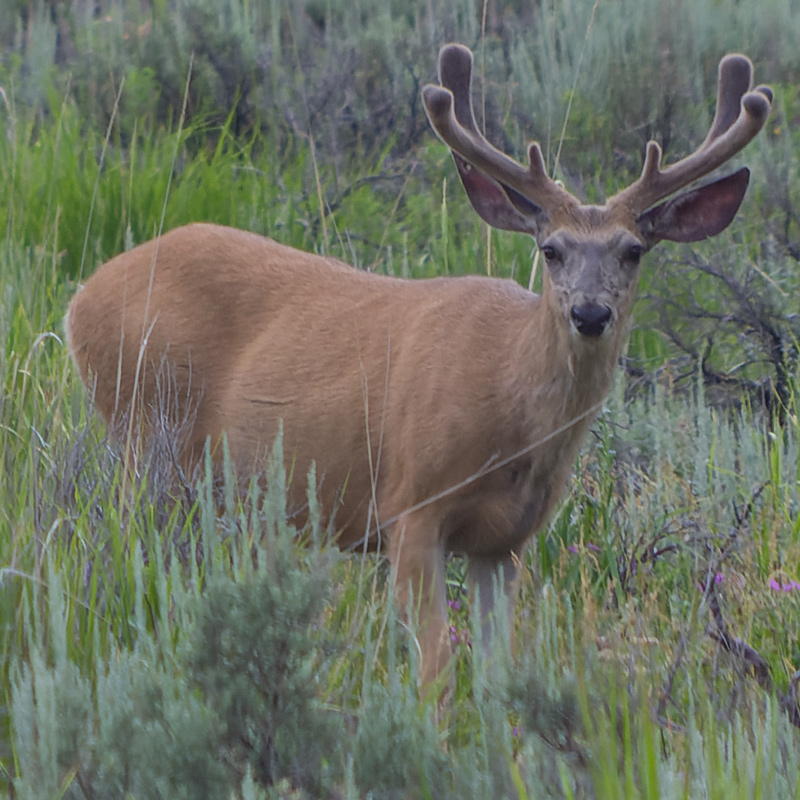
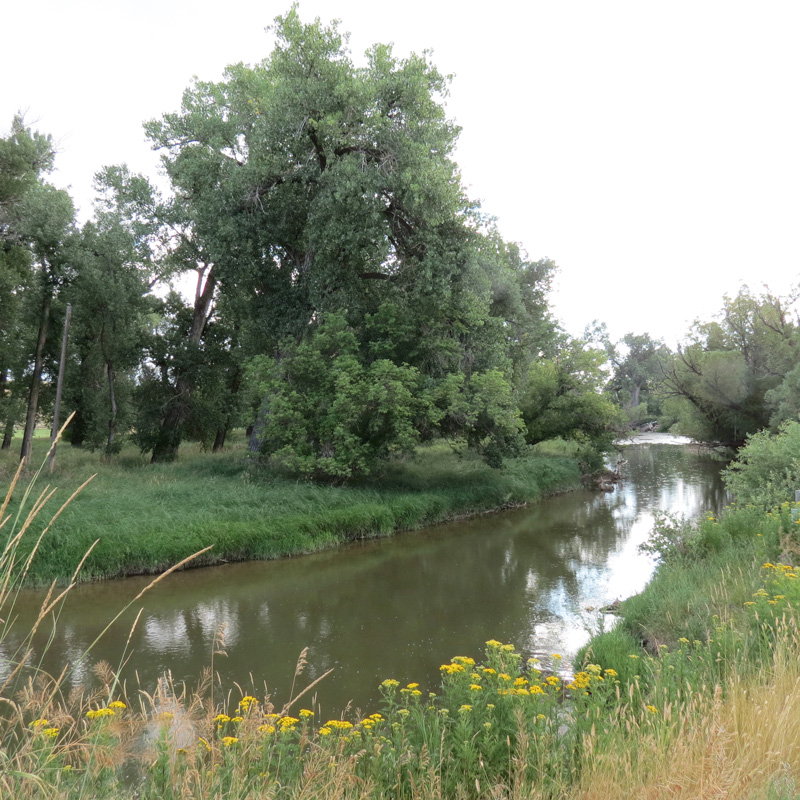
Serving Working Lands Across Sheridan and Johnson Counties
Why is SCLT working in Johnson County?
SCLT has the capacity to preserve and protect additional ranches within the greater Sheridan community. Many families live and work across both Sheridan and Johnson counties, traveling back and forth for work, family, sports, shopping, and recreation. We view this as one connected community, which is why expanding our conservation easement program into Johnson County is a natural fit.
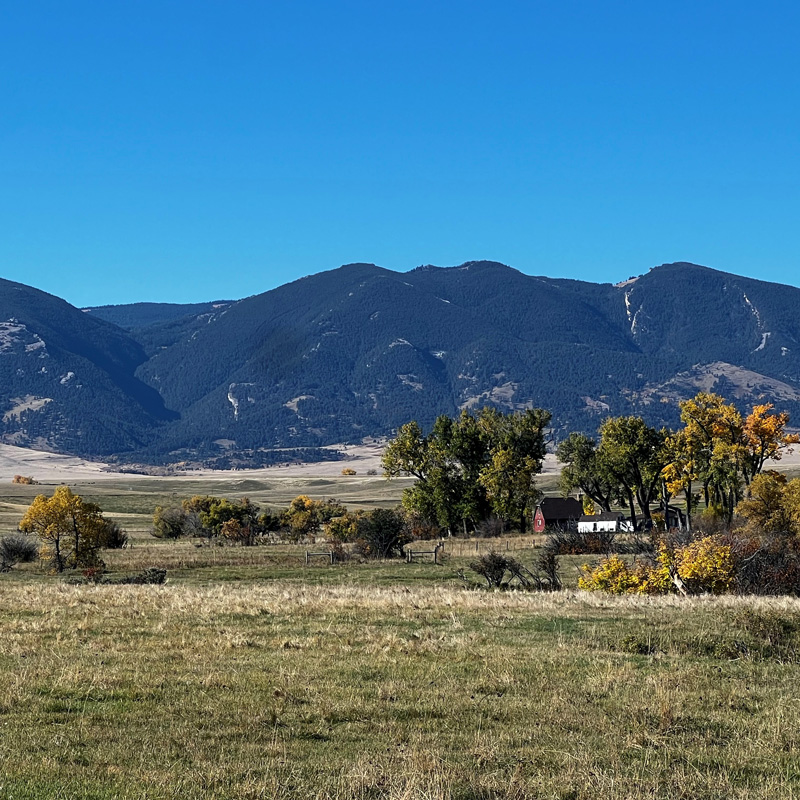
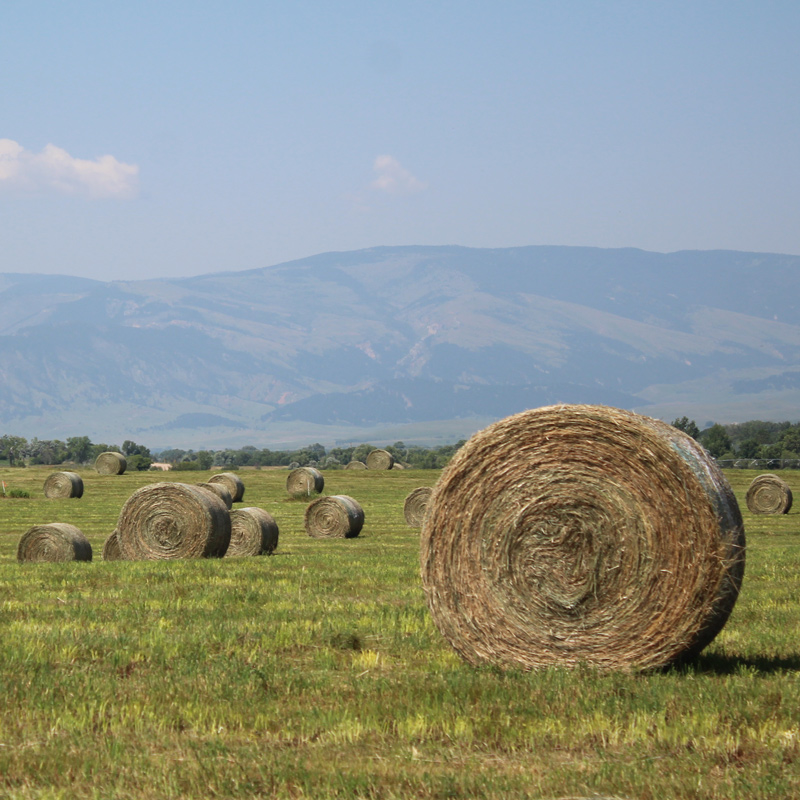
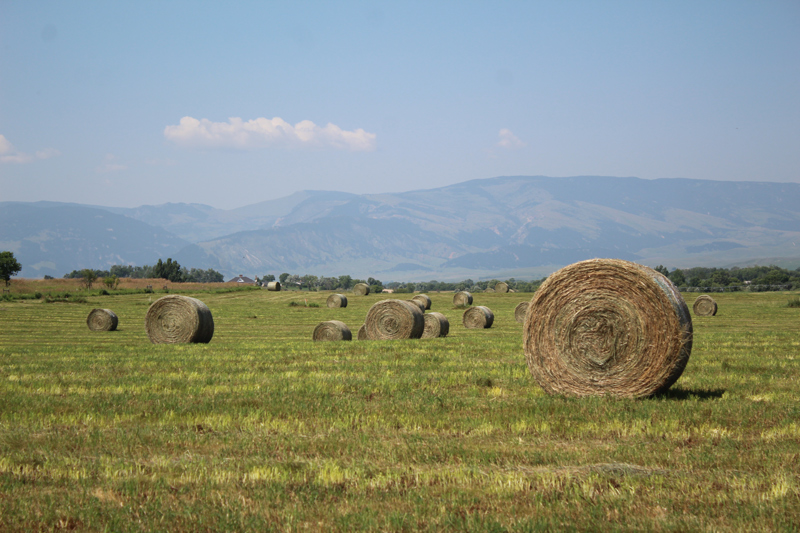
The landscapes of Johnson County, like those in Sheridan County, are vital working lands. They are home to hard-working families who help feed our communities while providing open space, scenic views, and wildlife habitat that benefit everyone. Conservation easements are a voluntary tool that helps preserve the legacy of these lands. However, access to this tool has not always been available to some Johnson County families due to limitations related to ranch size or financial capacity.
SCLT is a regional land trust with 20 years of experience in this region. We have the resources to professionally coordinate, complete, hold, and steward conservation easements. SCLT holds land that is leased to producers, is a member of the Working Lands Collaborative, the Sheridan County Chamber of Commerce Ag and Natural Resources Committee, the Northeast Wyoming Invasive Grasses Working Group, Powder River Fence Initiative, Powder River Coalition, and is nationally accredited by the Land Trust Alliance.
Our work in Johnson County will complement — not replace — our continued commitment to Sheridan County landowners. We are ready to work with families in both counties who want to explore whether a voluntary conservation easement is the right tool for their land.
Conservation Easements
We work with private landowners to craft conservation easements, also known as voluntary conservation agreements, that permanently conserve lands that are in working agriculture, are crucial wildlife habitats, protect rivers and streams, or contribute to the scenic quality of our region. We believe that by maintaining the values that make our region unique and beautiful, we will make a positive impact on the quality of life that makes our home a great place to live.
Virtual Fencing
A New Way to Fence the West—Without the Fence
What if you could manage cattle, protect pastures, and keep wildlife moving—without posts, gates, or barbed wire? Sheridan Community Land Trust is testing just that through our region’s first virtual fencing pilot project. Using GPS-enabled collars, local ranchers are exploring a high-tech, wildlife-friendly way to manage grazing that could save time, cut costs, and improve land and water health.
Wildlife-Friendly Fencing
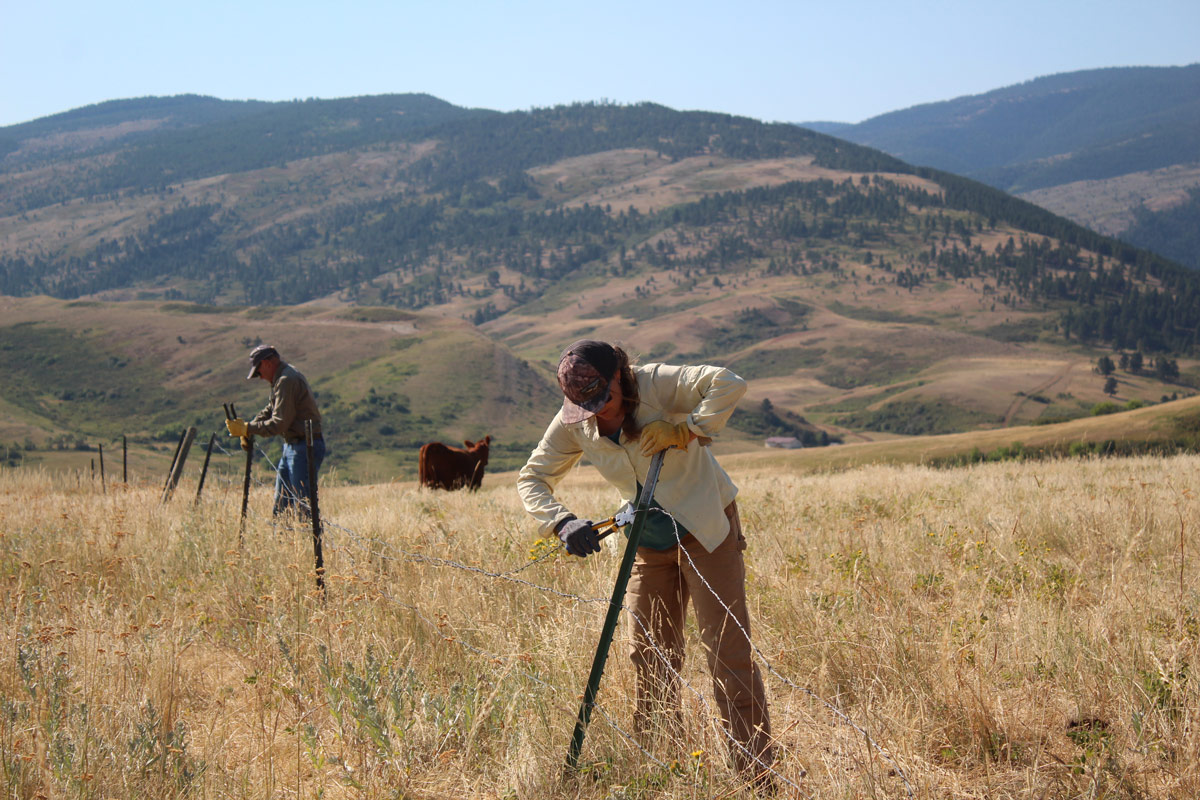
Fencing is vital for working lands, for marking boundaries, and for protecting resources. But when wildlife and fences collide, the effect is detrimental for both wildlife populations and landowners. Using data and research from the University of Wyoming and others, SCLT is working with landowners and land managers to modify, remove or rebuild fencing in key areas to enhance wildlife passage while protecting functionality for livestock and decreasing fence maintenance of fences in our region.
Wet Meadow Restoration
Good soil takes hundreds of thousands of years to build. And in a matter of minutes, it can all be washed away. This is especially true in our region, where much of our soil easily erodes. Thankfully, there’s a solution, and SCLT can work with you to stop water-driven erosion and heal your land. Zeedyk is the not-so-common term for several types of simple stone structures used to stop the advance of headcut erosion and gullies in pastures and rangeland.
Invasive Grass Management
Invasive annual grasses like ventenata and cheatgrass threaten grassland health across Sheridan County by crowding out native forage, reducing ranch productivity, and increasing wildfire risk. At the Big Goose Natural Area, SCLT partnered with the University of Wyoming Extension and NRCS to implement a science-based treatment using Rejuvra, funded in part through the NRCS EQIP program. Early results show strong recovery of native grasses in treated areas, demonstrating how proactive stewardship can protect both the ecological health and economic value of working lands. BGNA now serves as a demonstration site, allowing landowners to see the impact of invasive grass management firsthand and explore similar conservation options for their own property.
Water & Drought
SCLT has tools and resources focused on water. These programs focus on enhancing understanding of local water availability and when it is available, so our region’s working lands, ranches, and natural areas can withstand change while remaining healthy and productive. SCLT produces a monthly Water Supply Report and has developed localized drought-planning and risk-mitigation tools.



Questions?
Contact Us Today: