Sheridan Railway Co. Streetcar #115 – The Fort Line
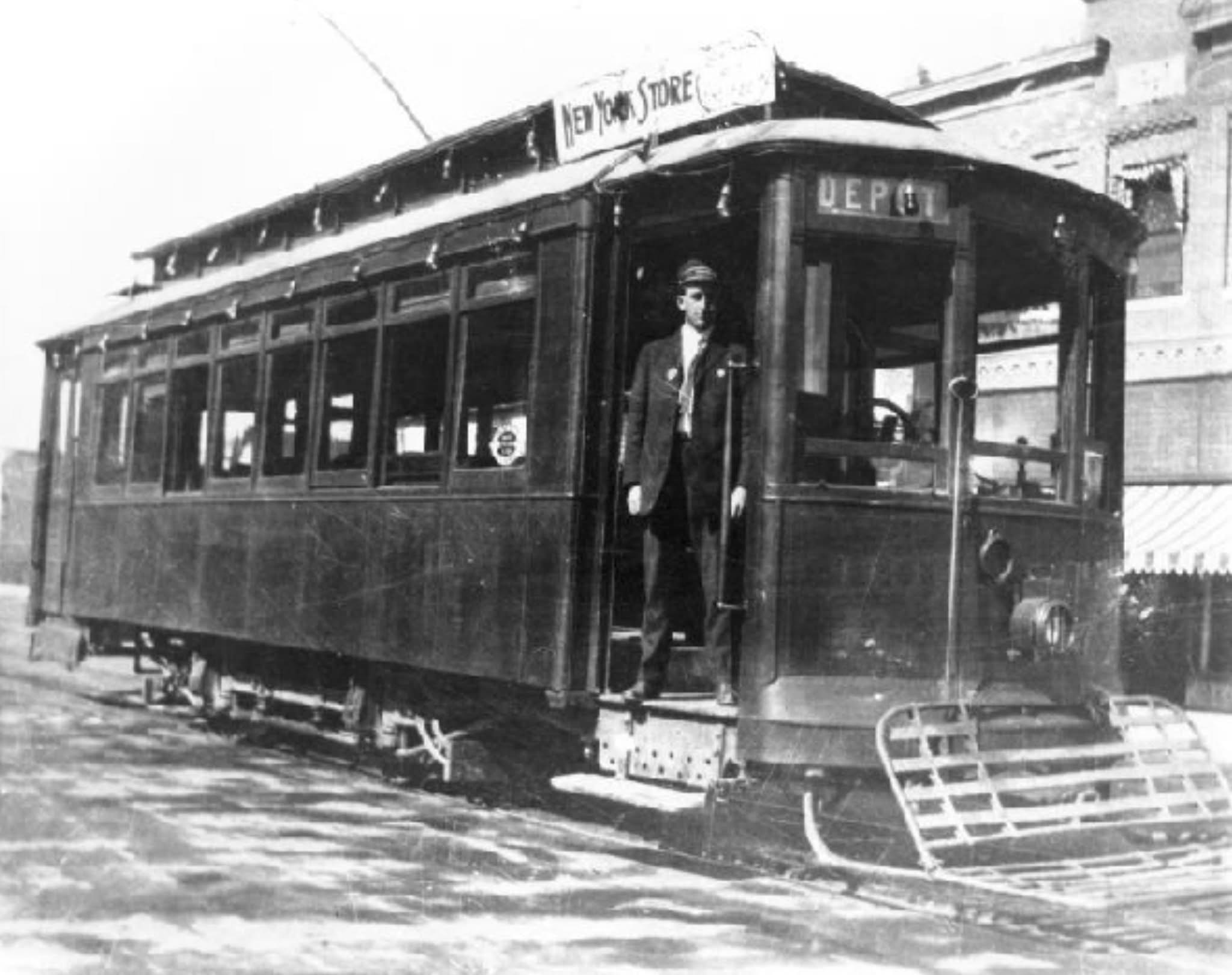
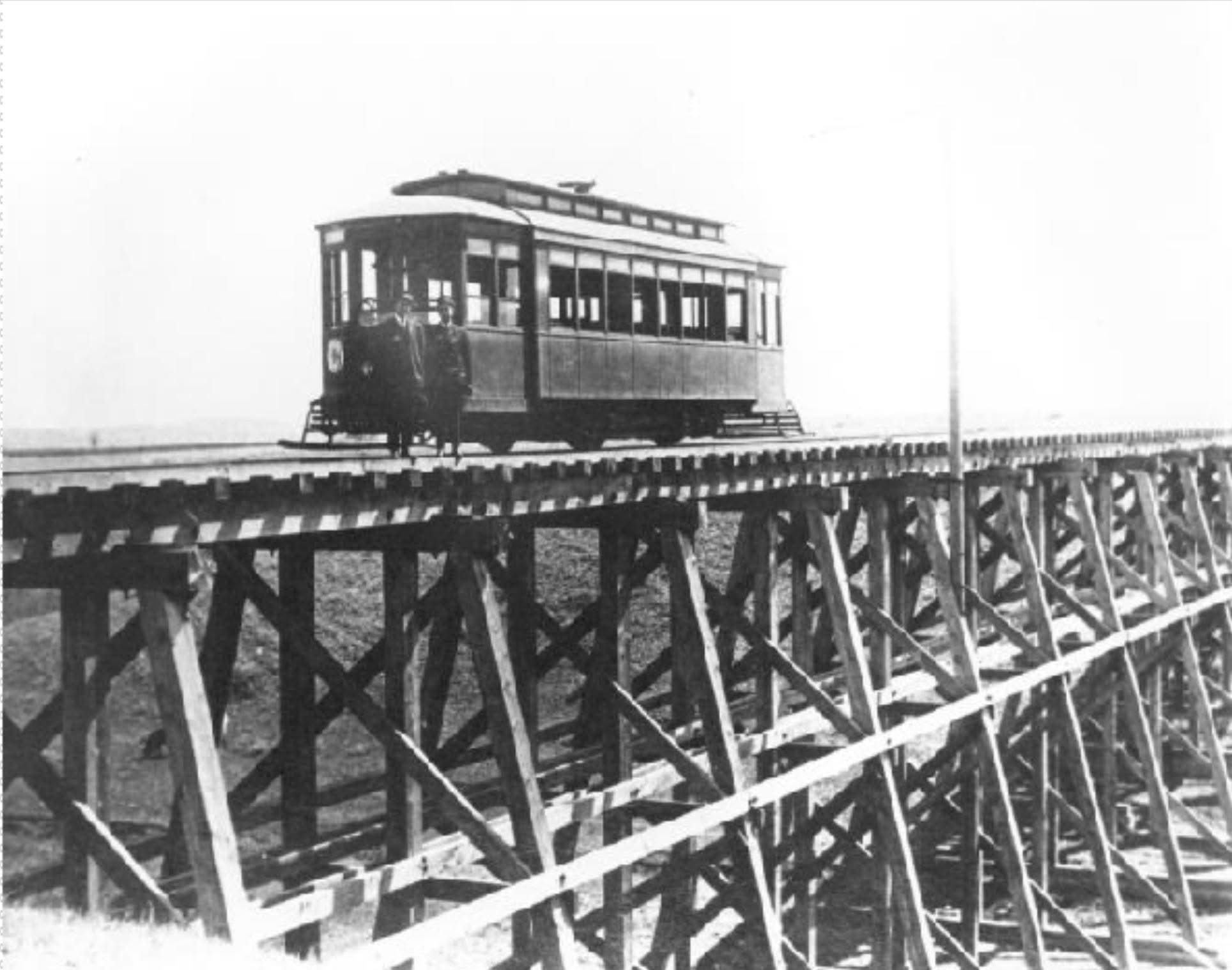
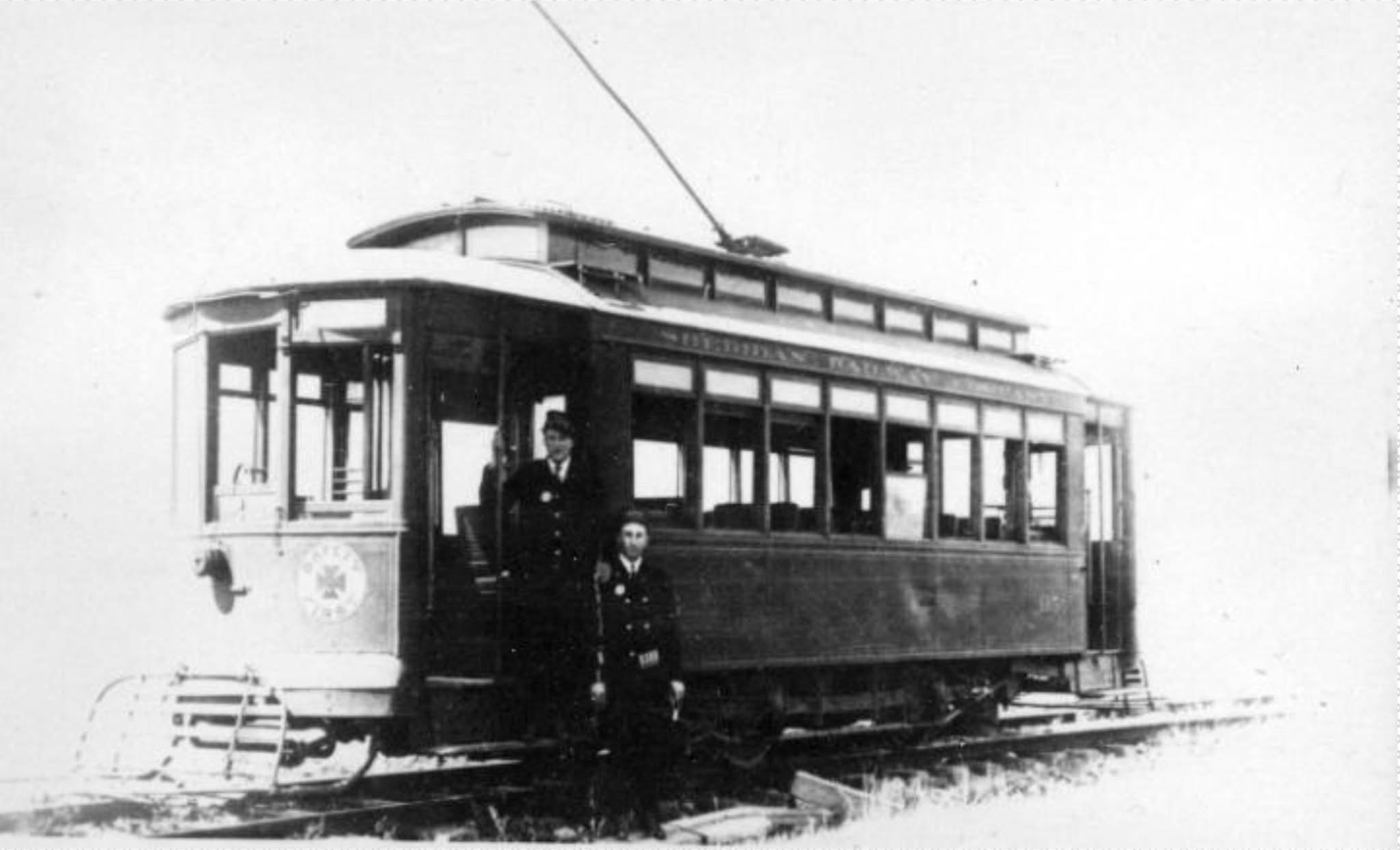
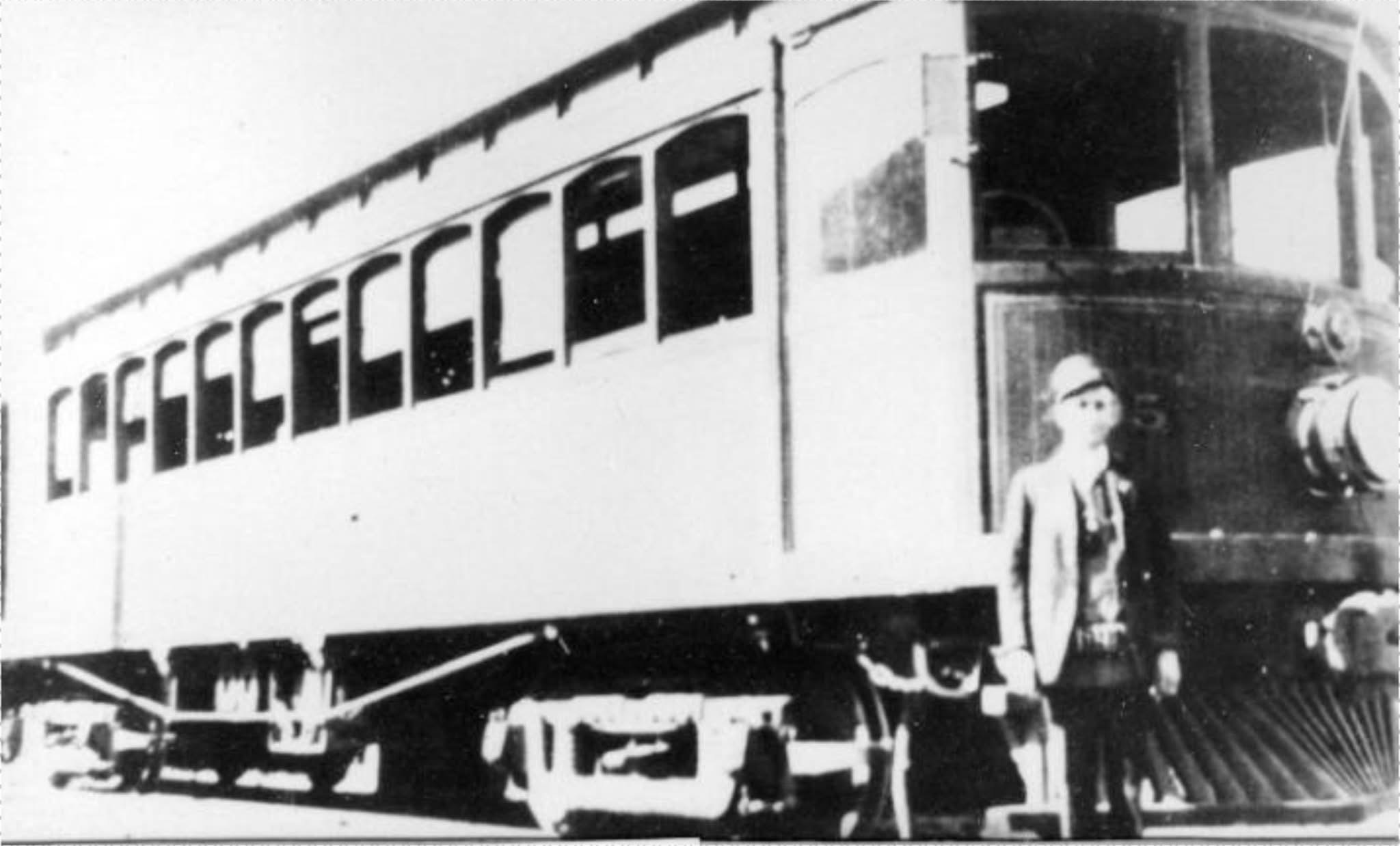
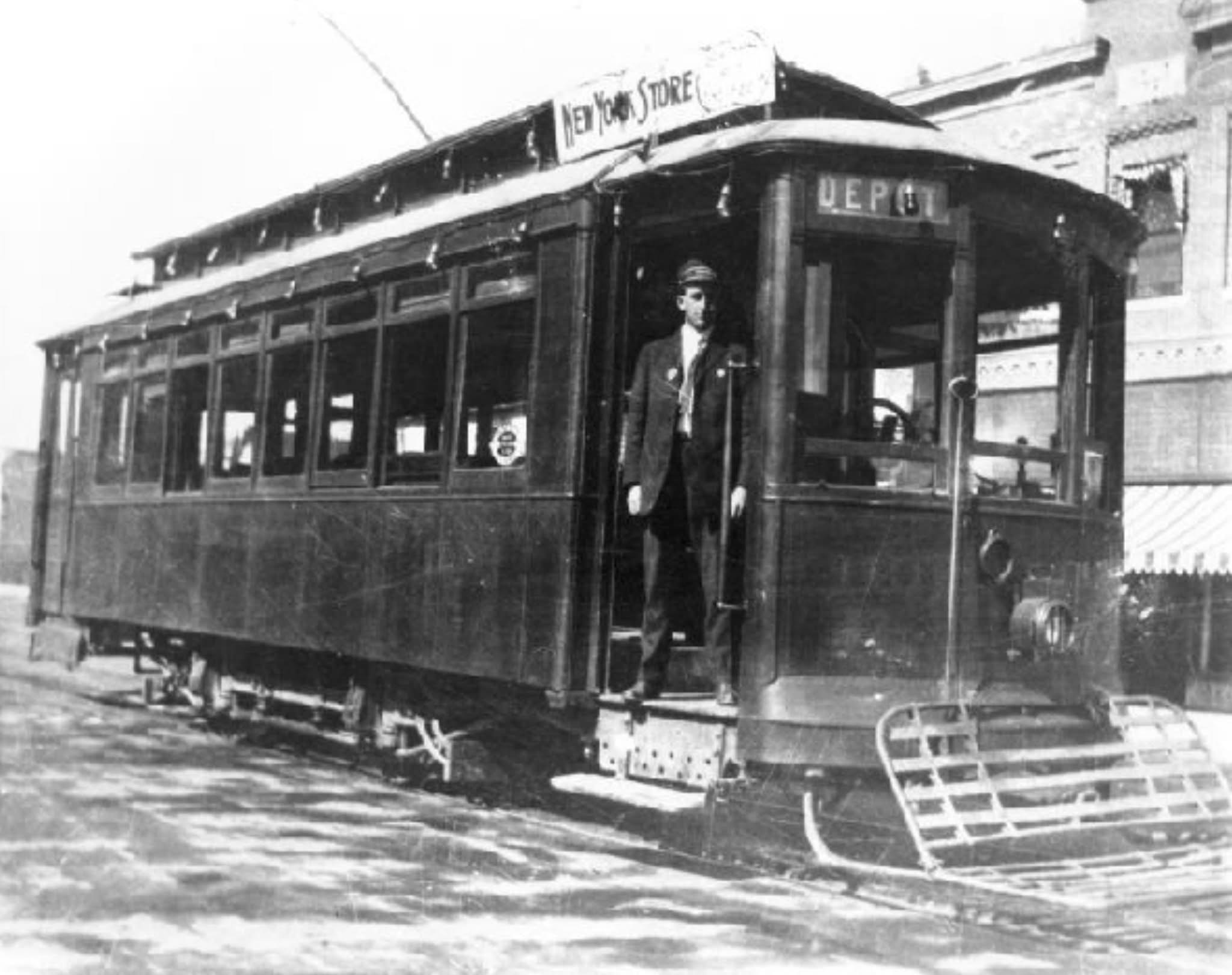
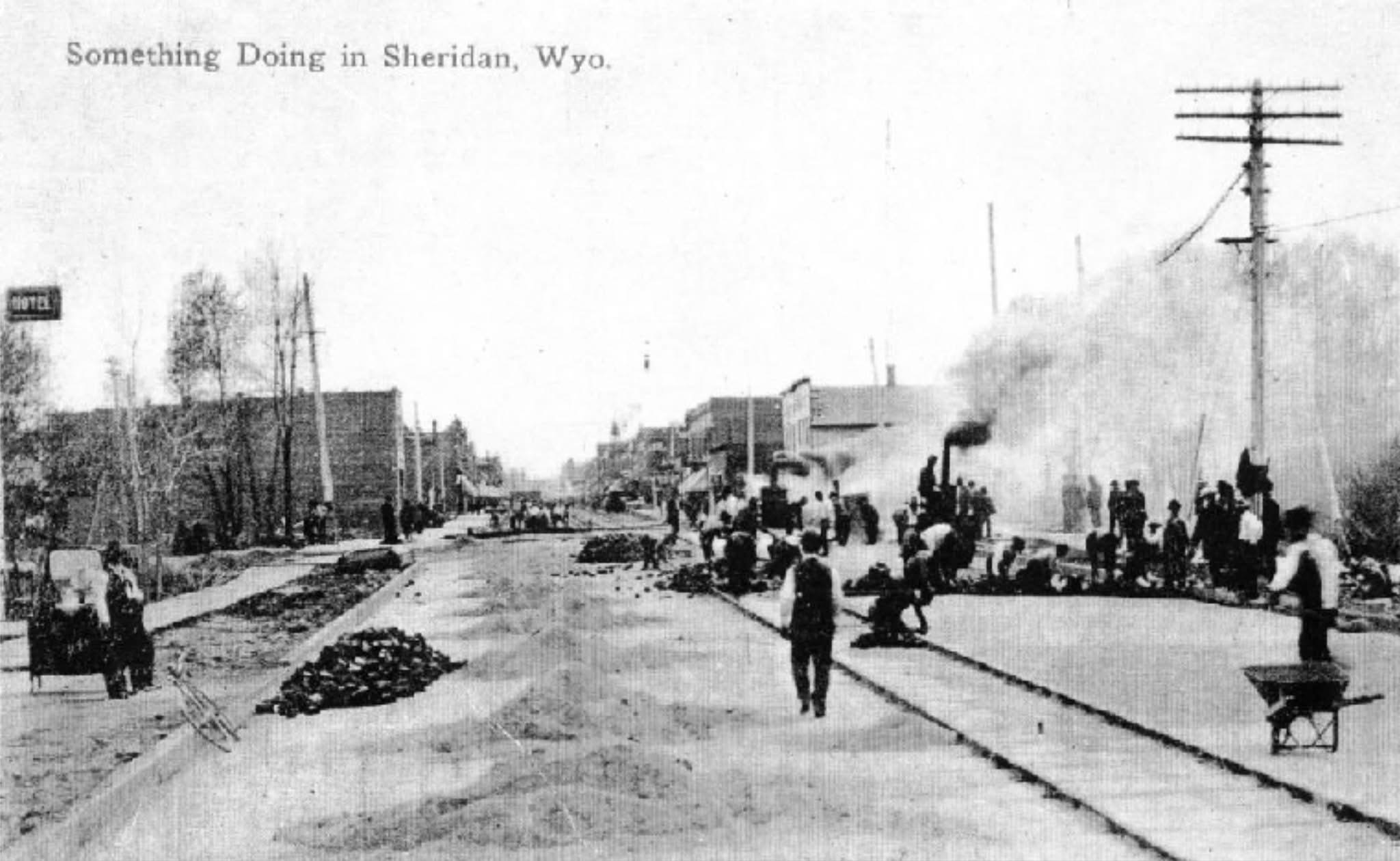
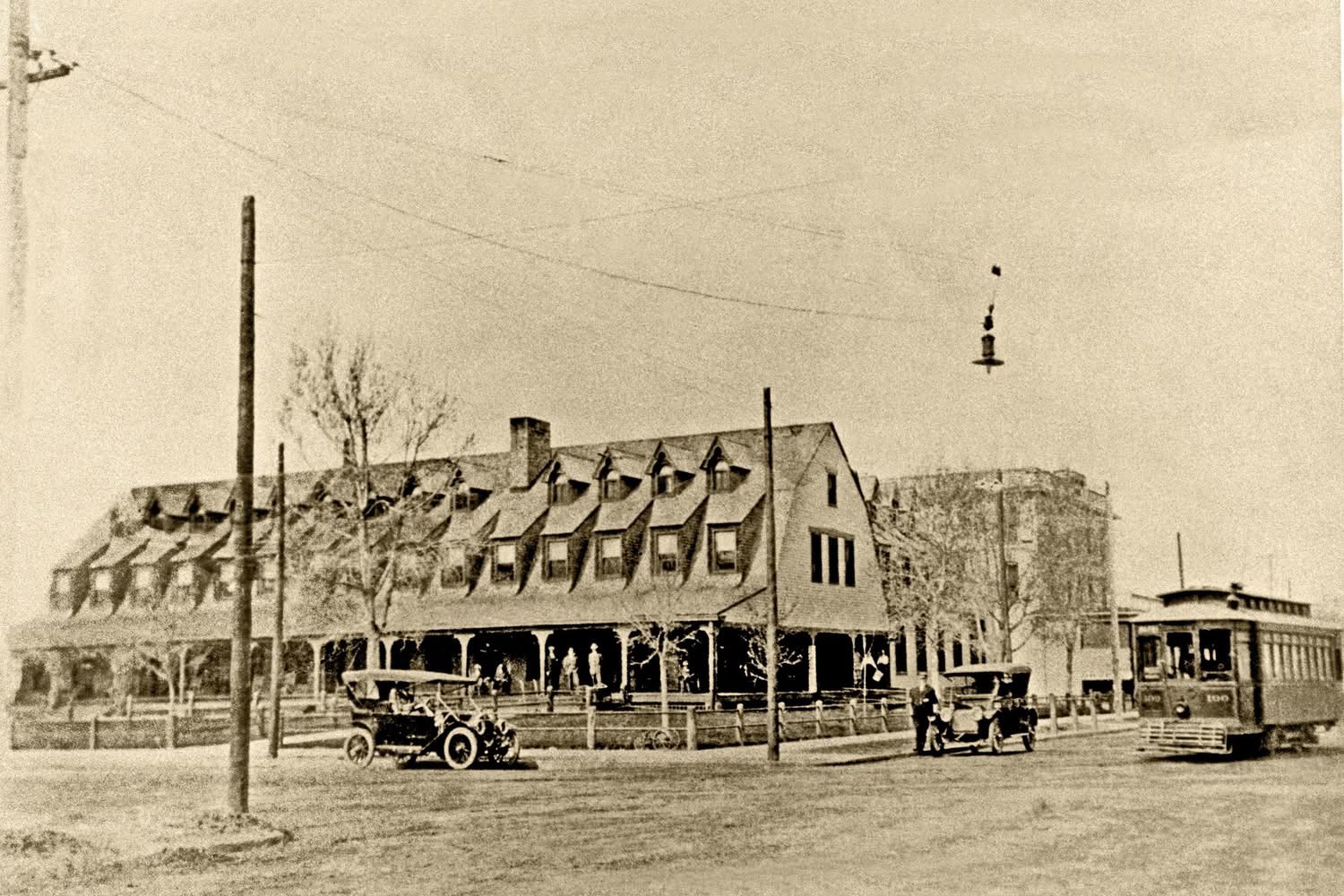
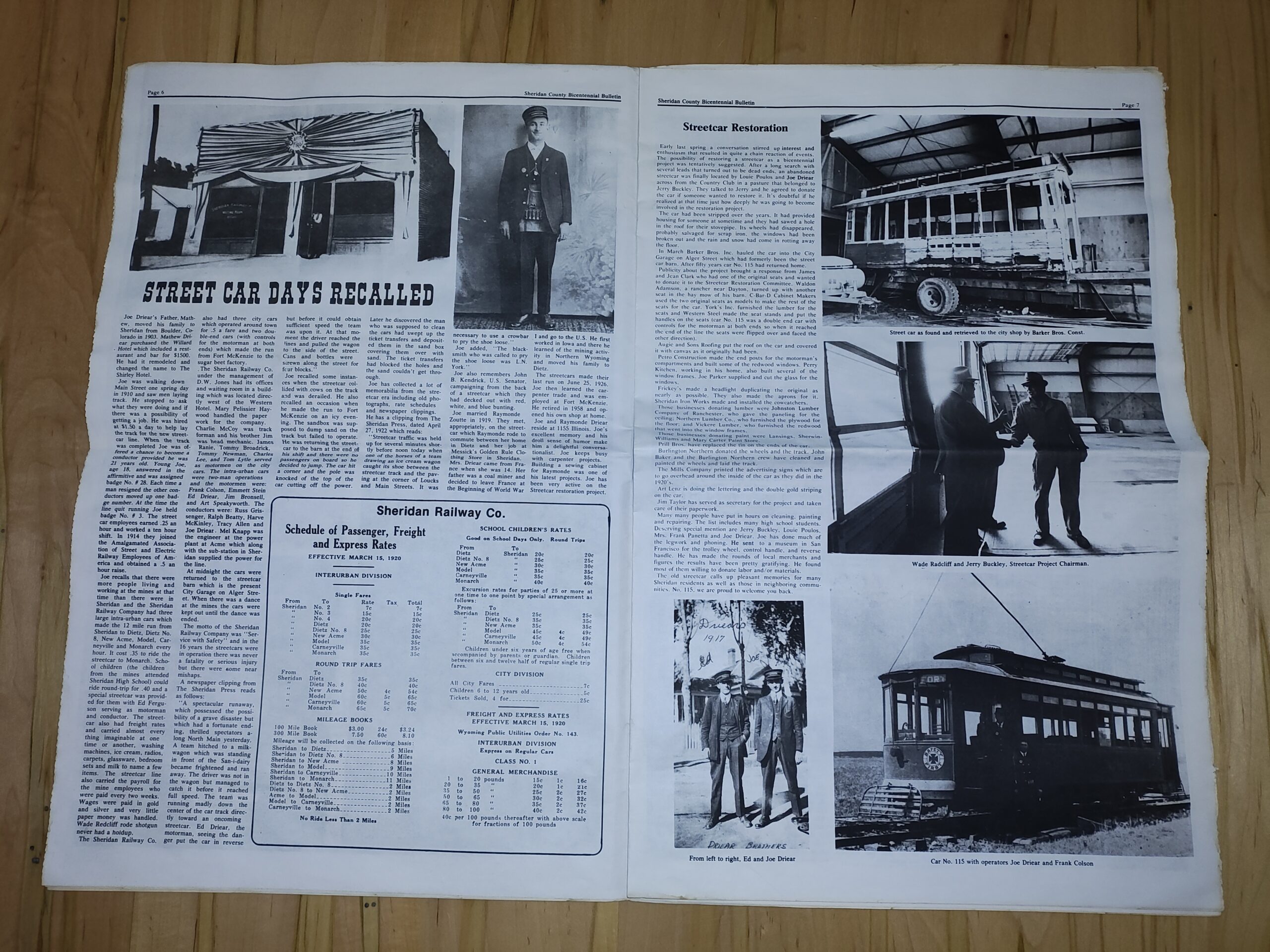
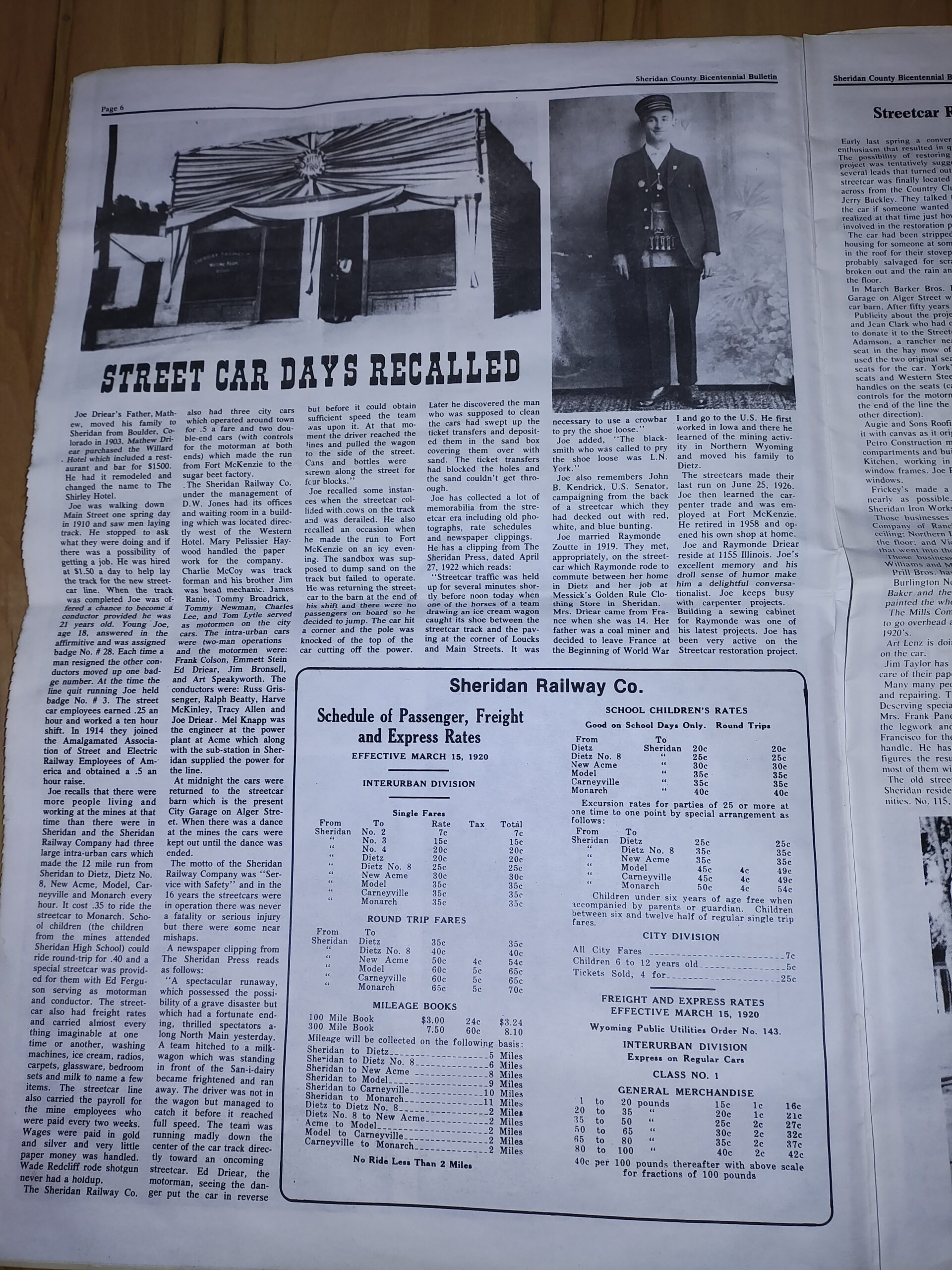
In 1911, Sheridan welcomed its first electric streetcar service. Tracks were laid throughout town and out to nearby communities, offering a faster, modern alternative to horse-drawn wagons and horseback travel. For years, streetcars carried miners, families, schoolchildren, and freight — connecting downtown with Fort Mackenzie and coal camps along the Tongue River.
Streetcar #115 History
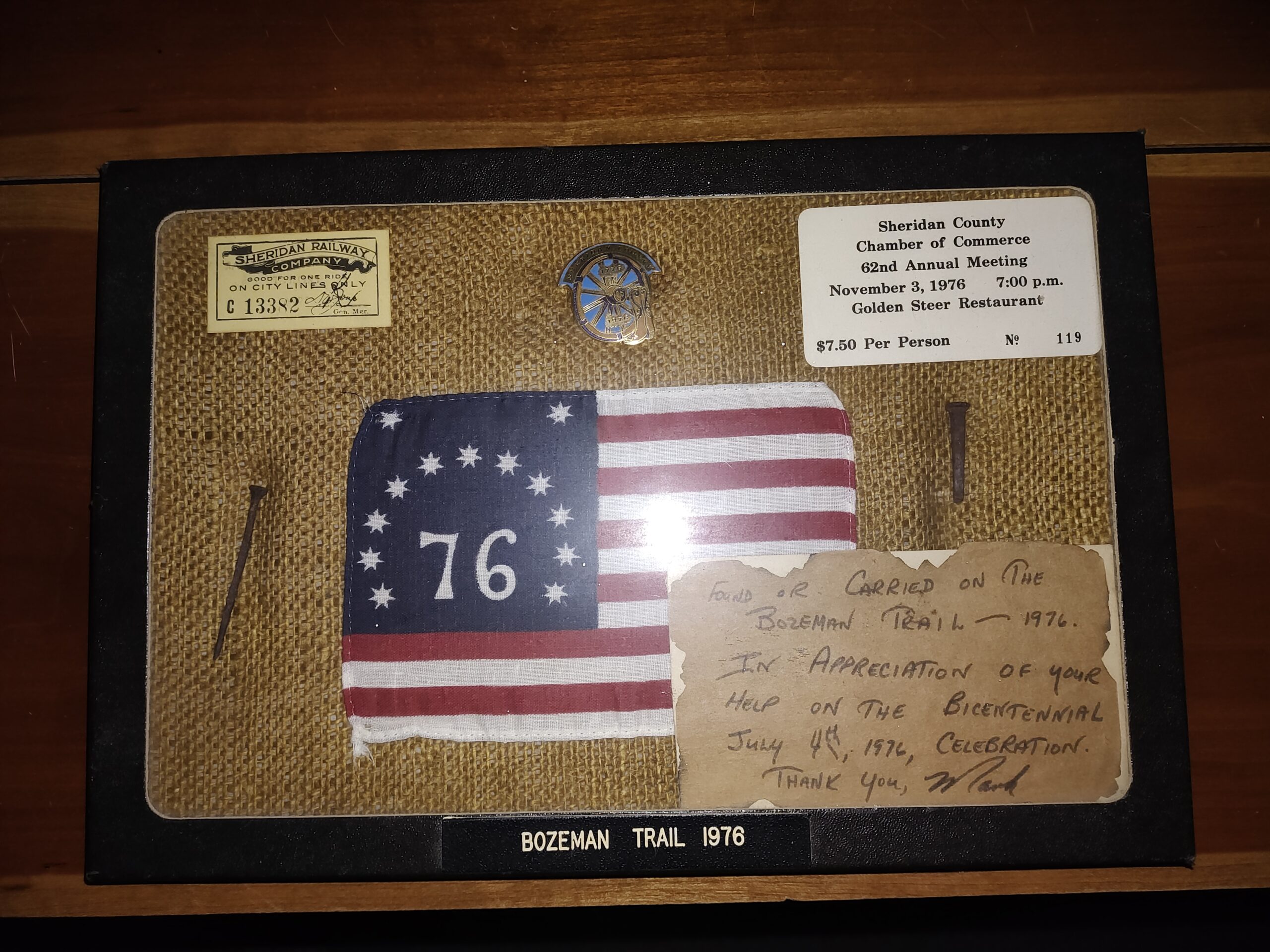
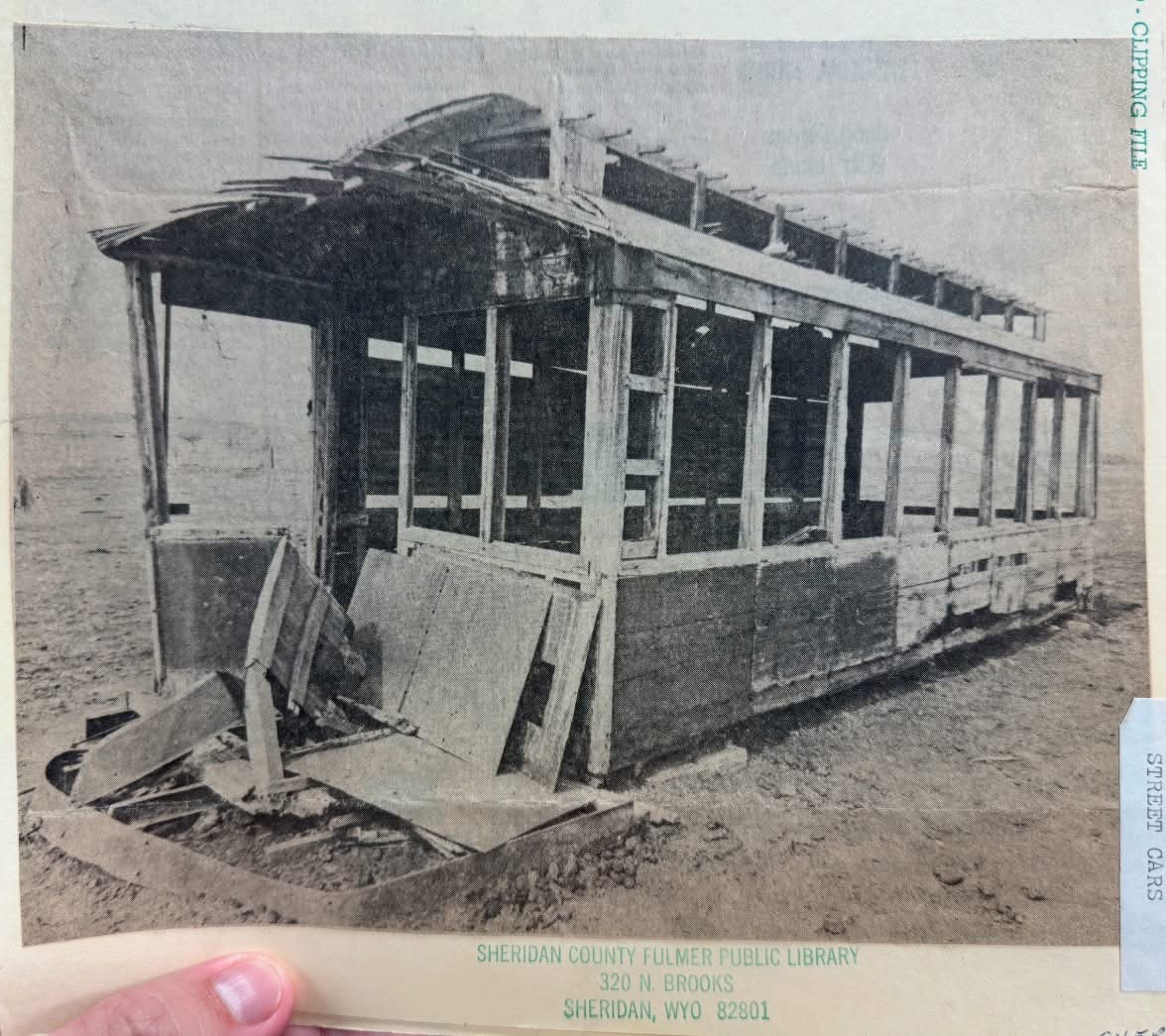
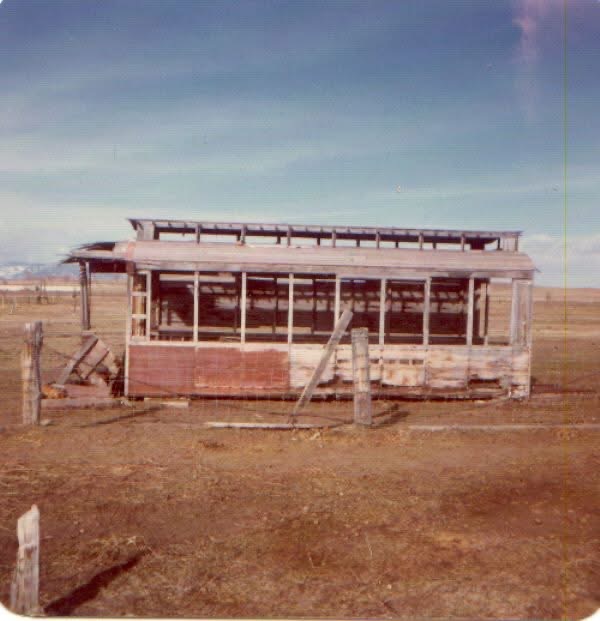
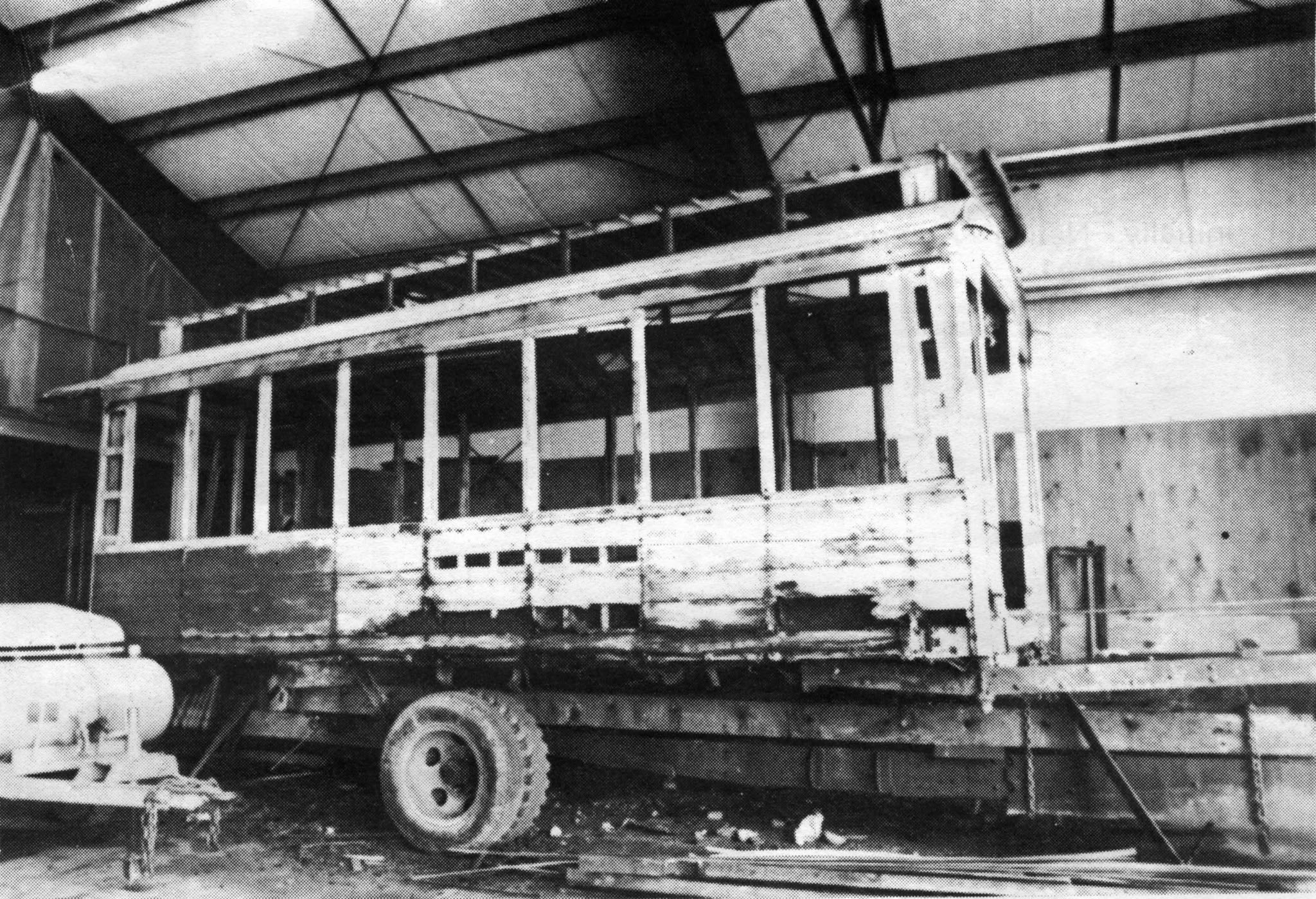
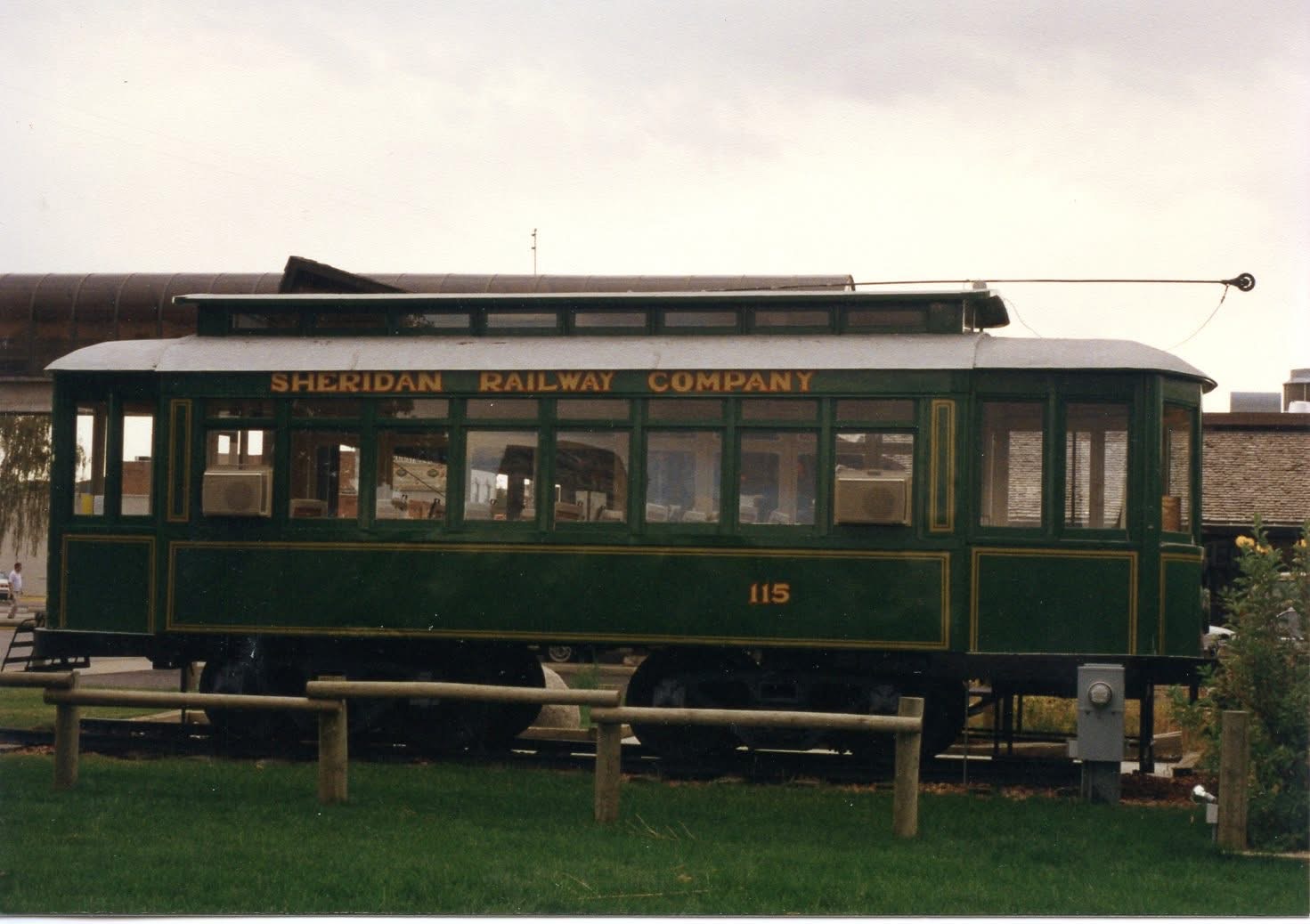
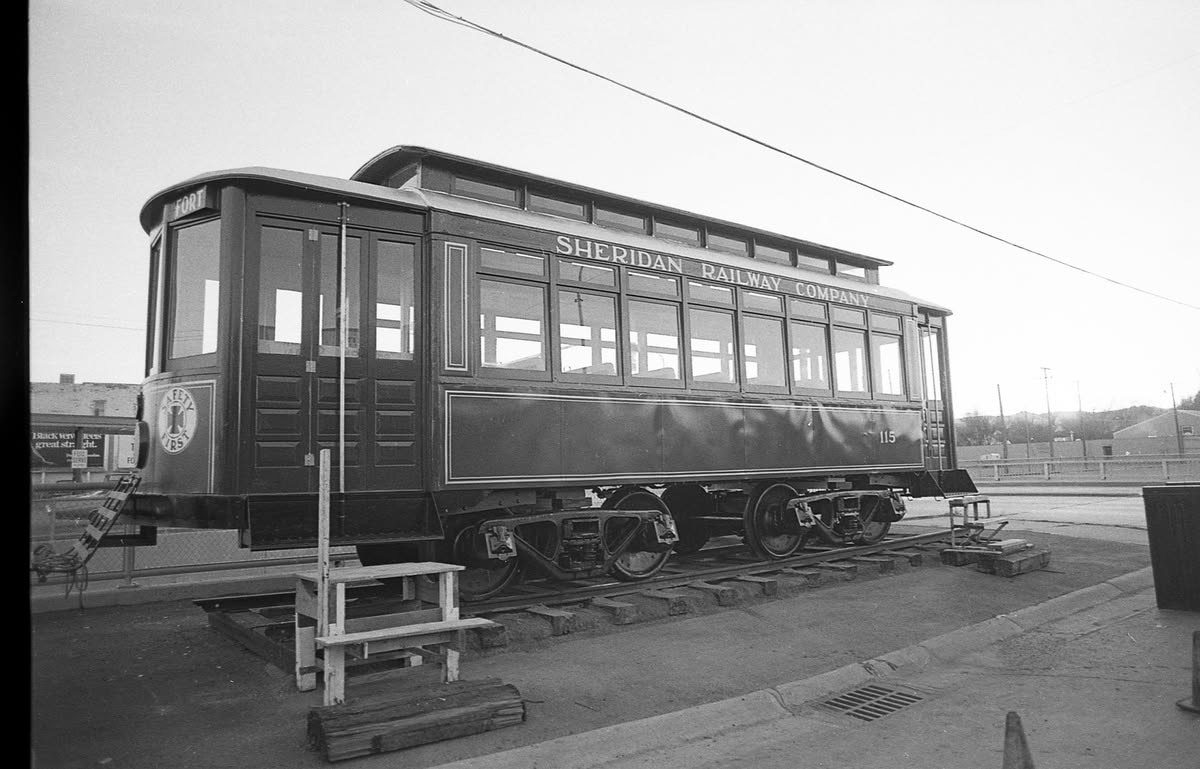
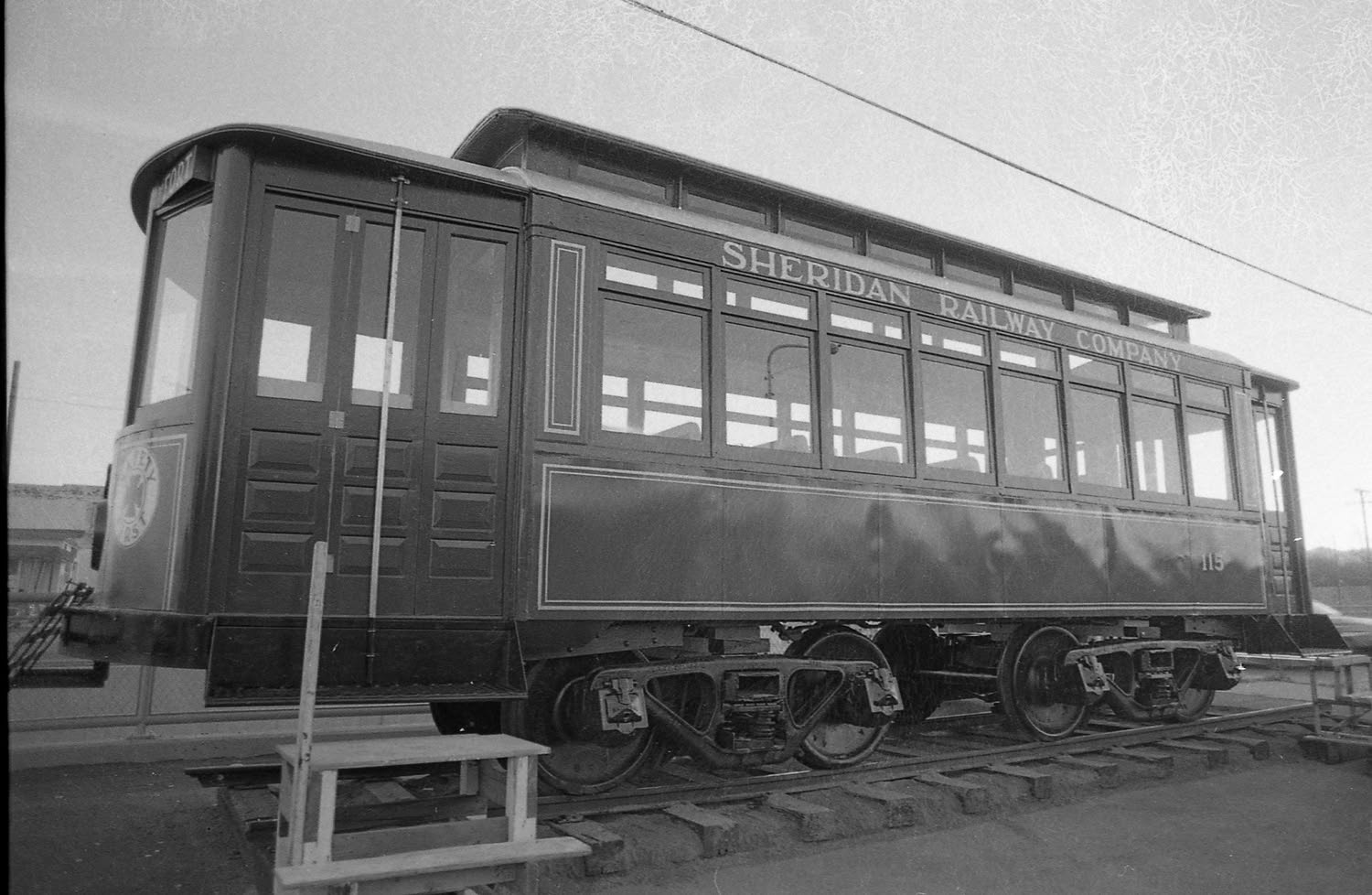
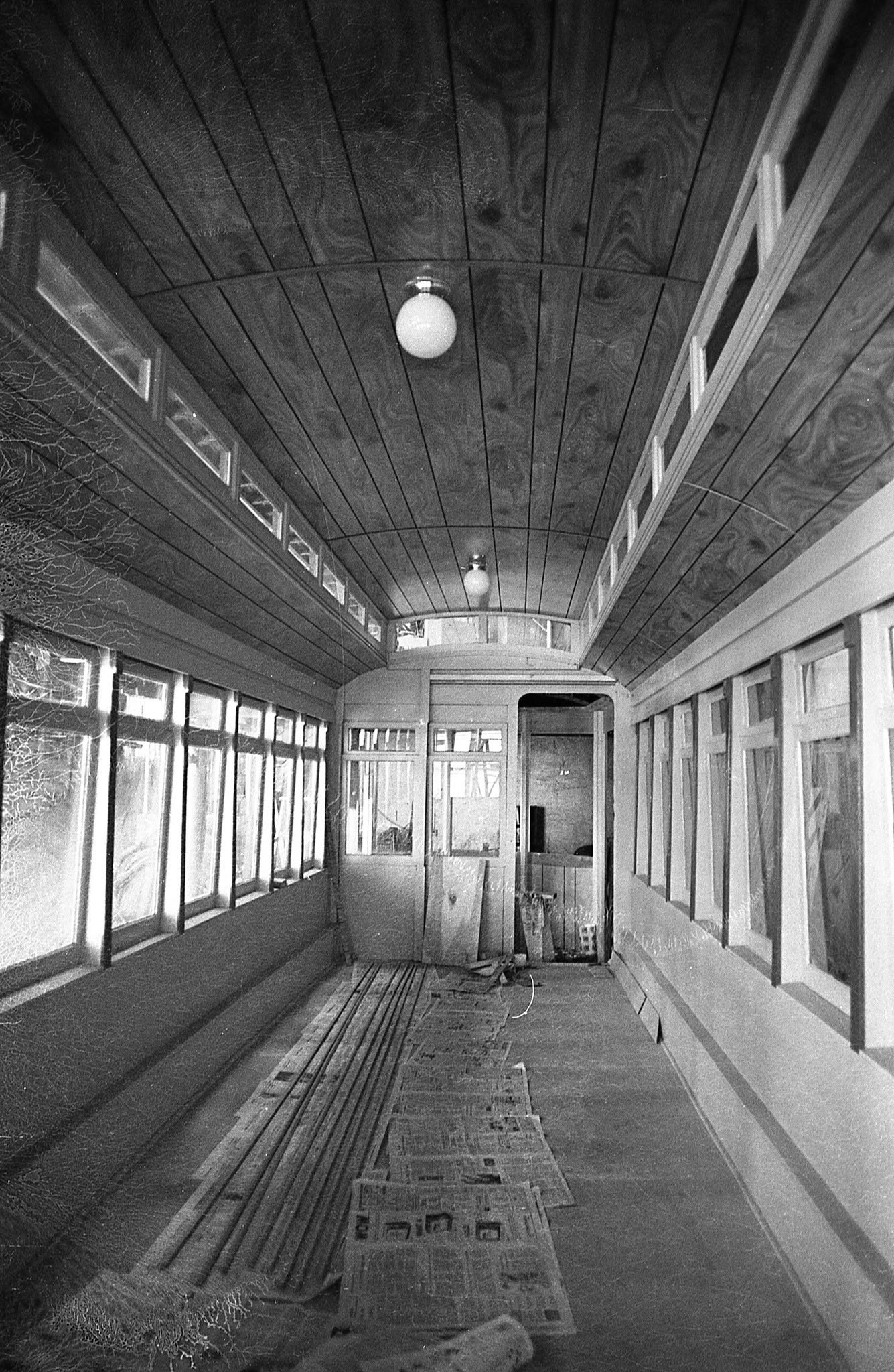
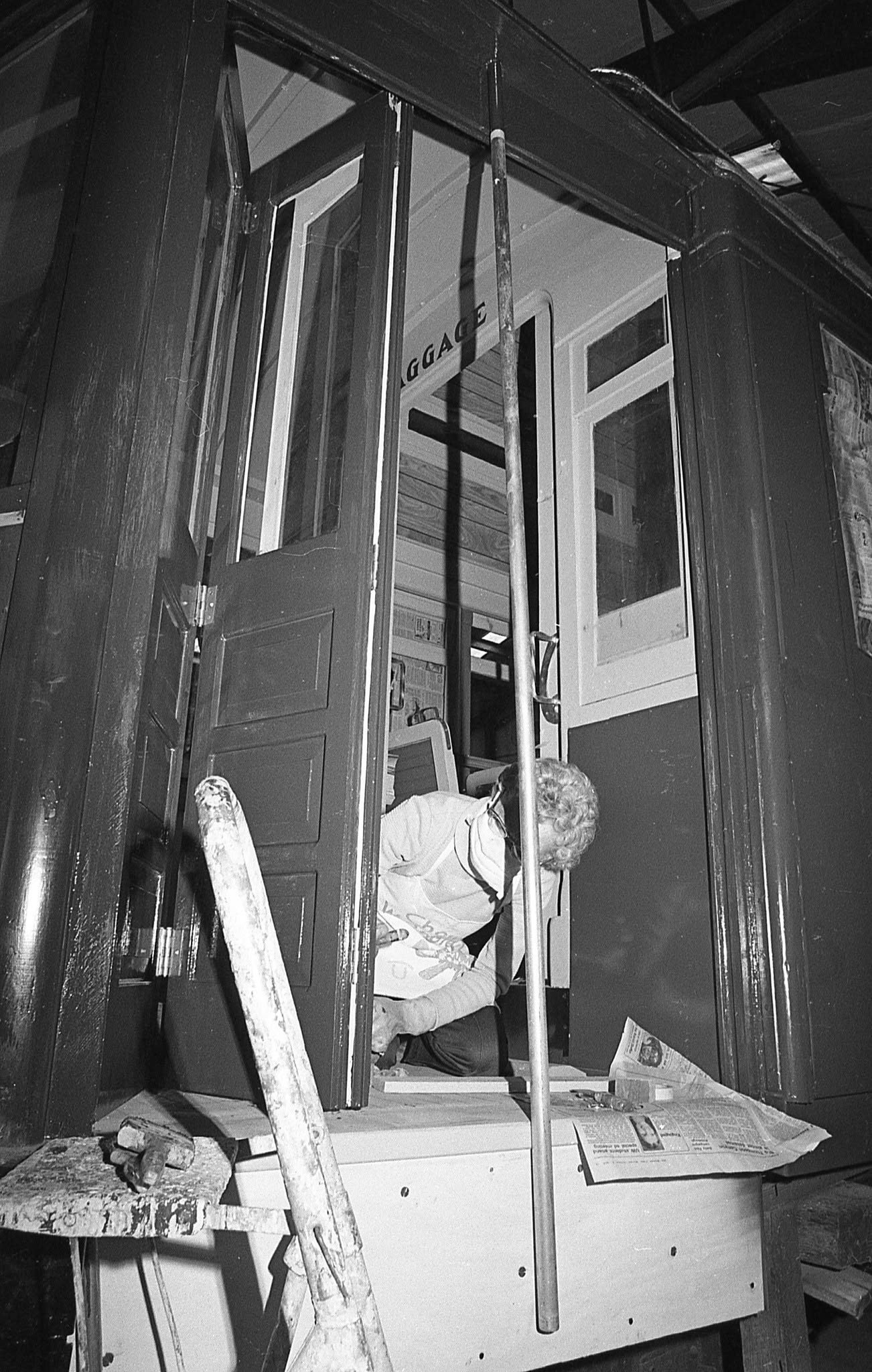
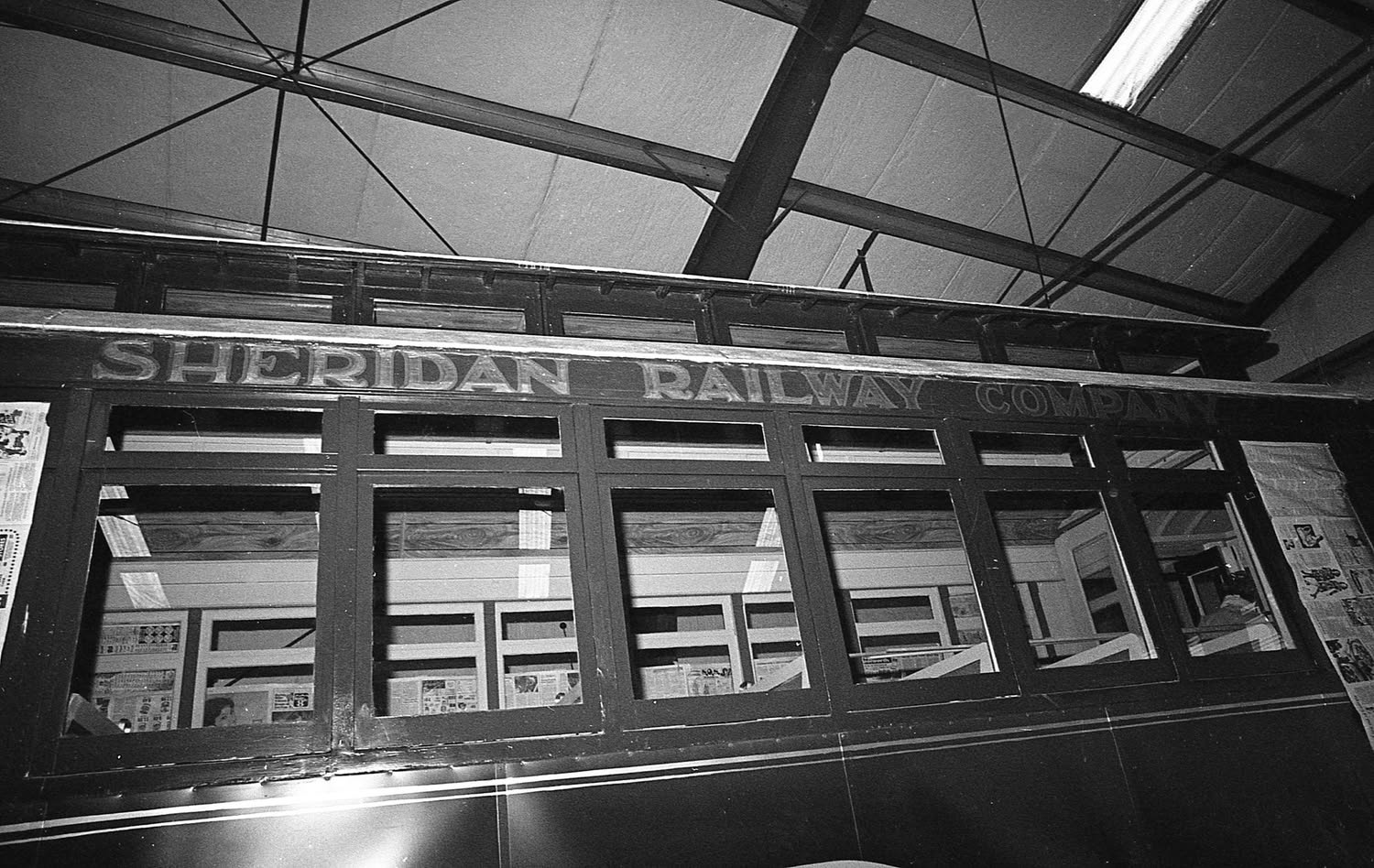
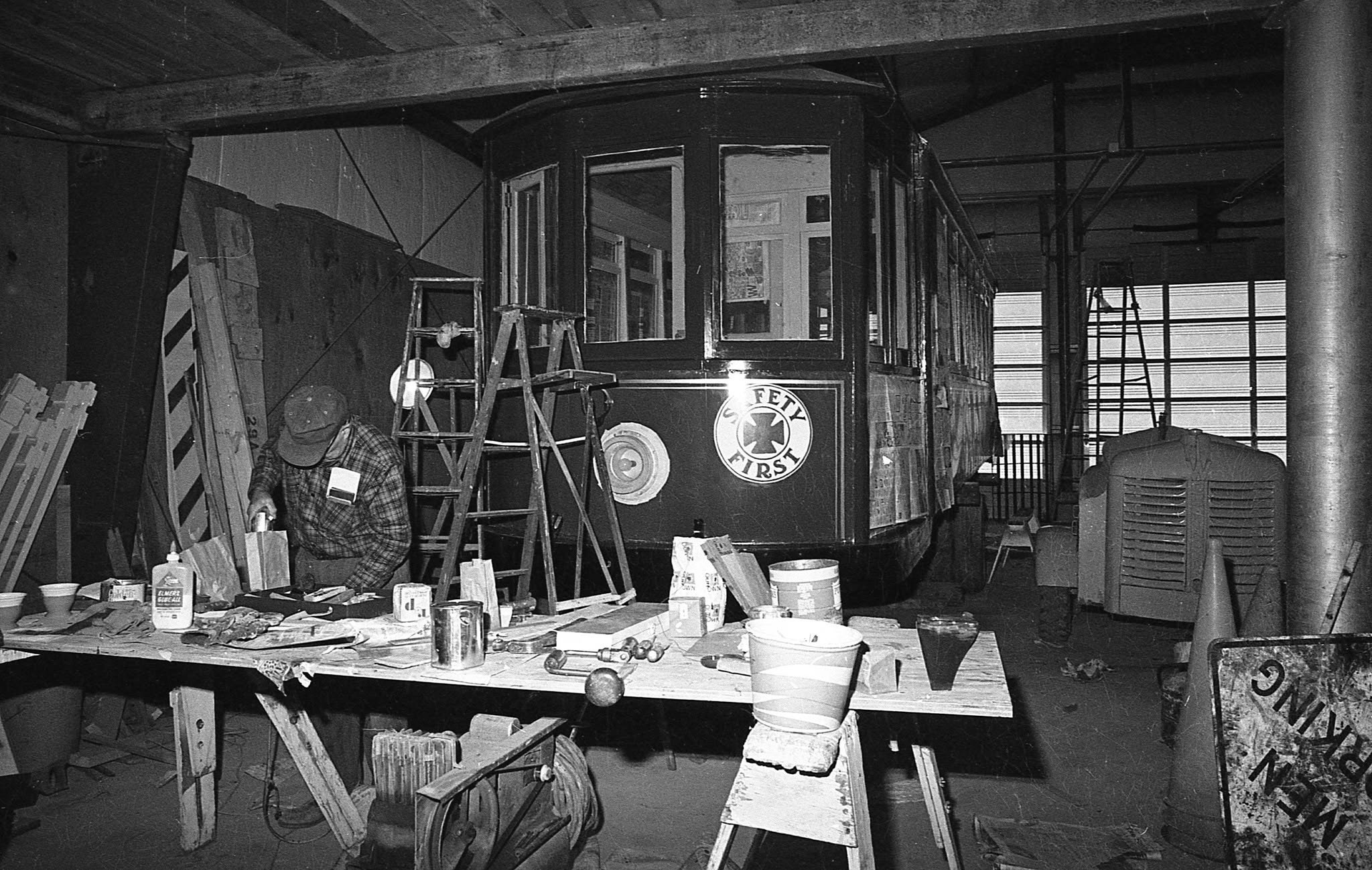
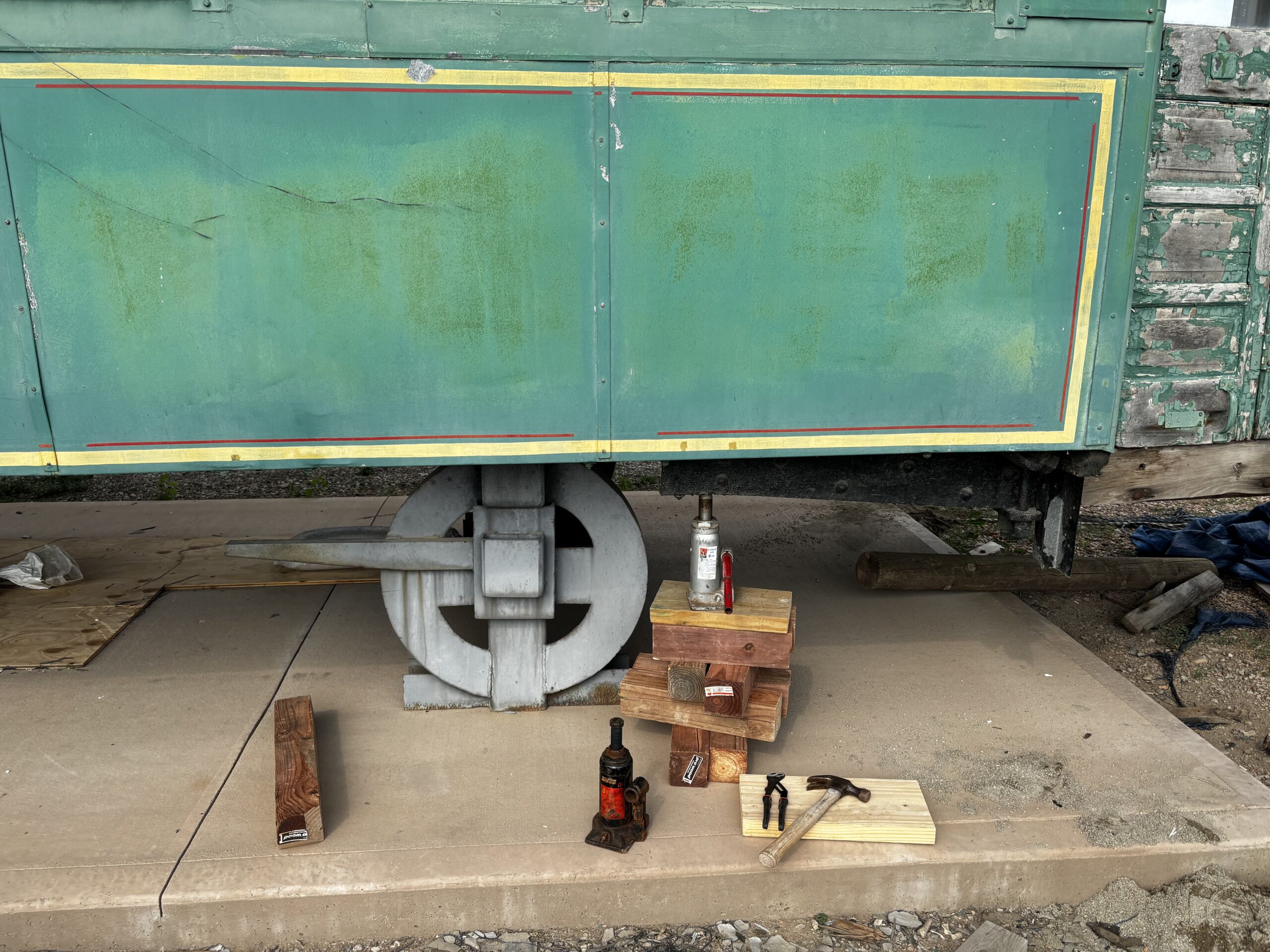
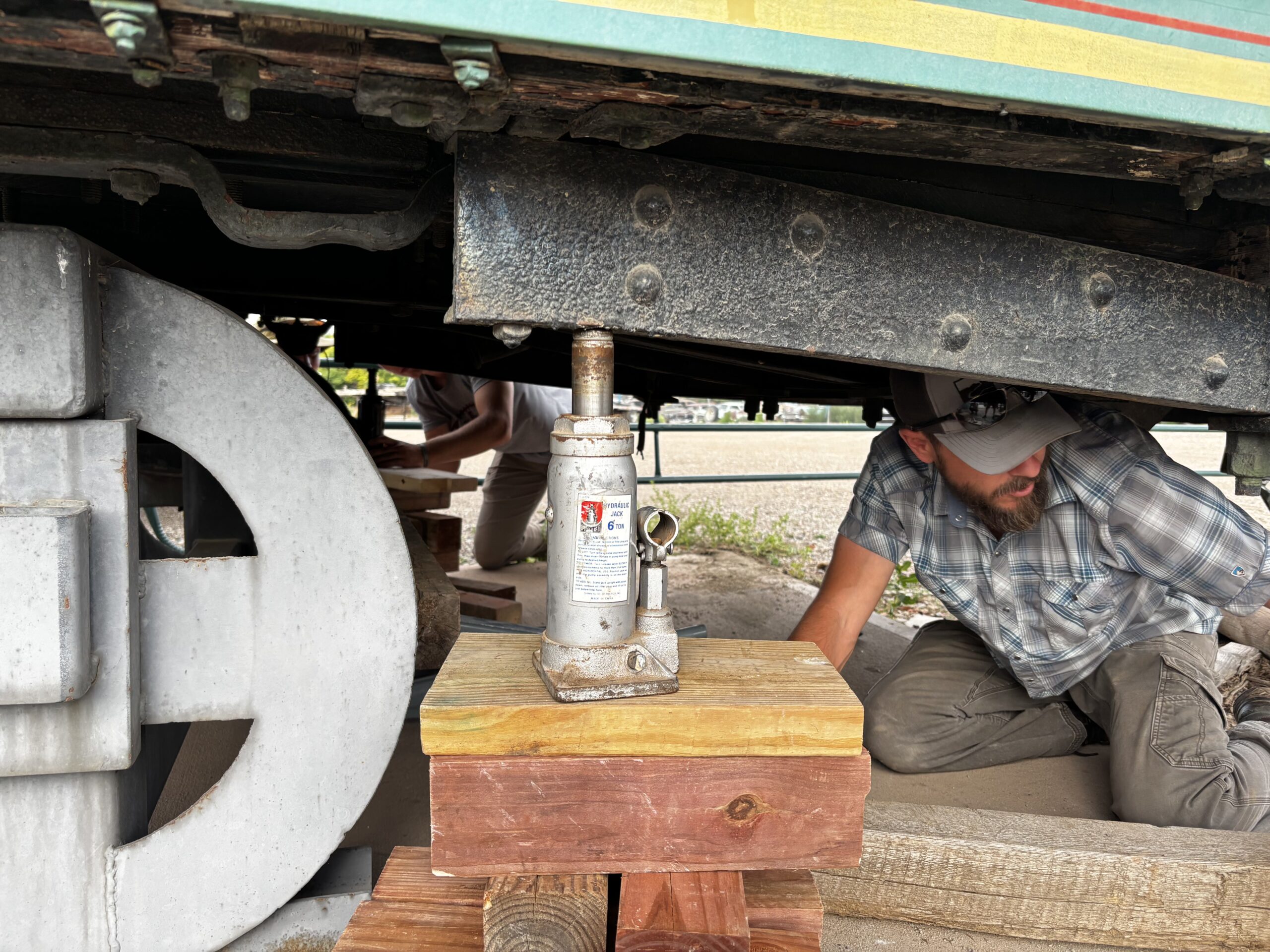
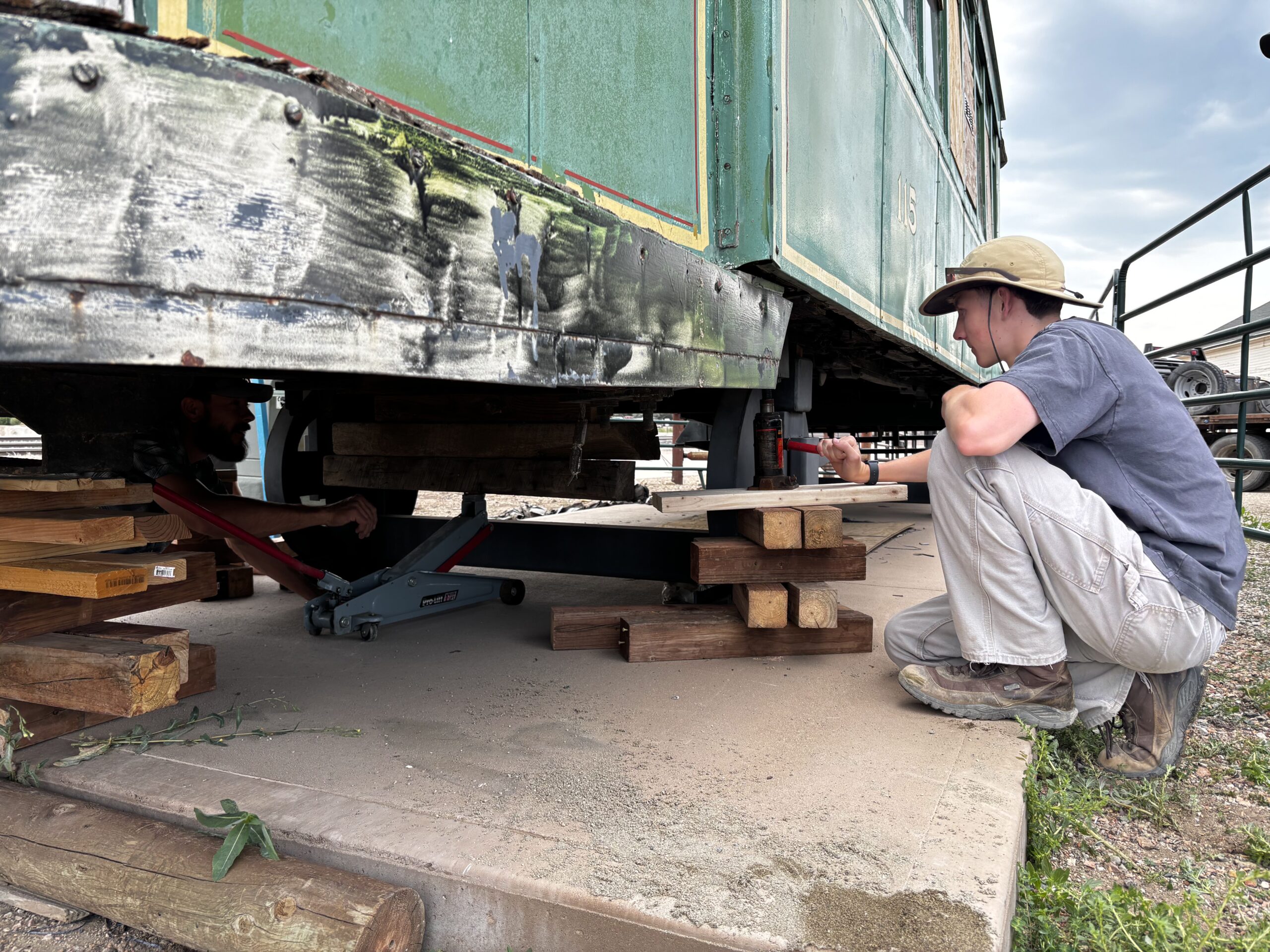
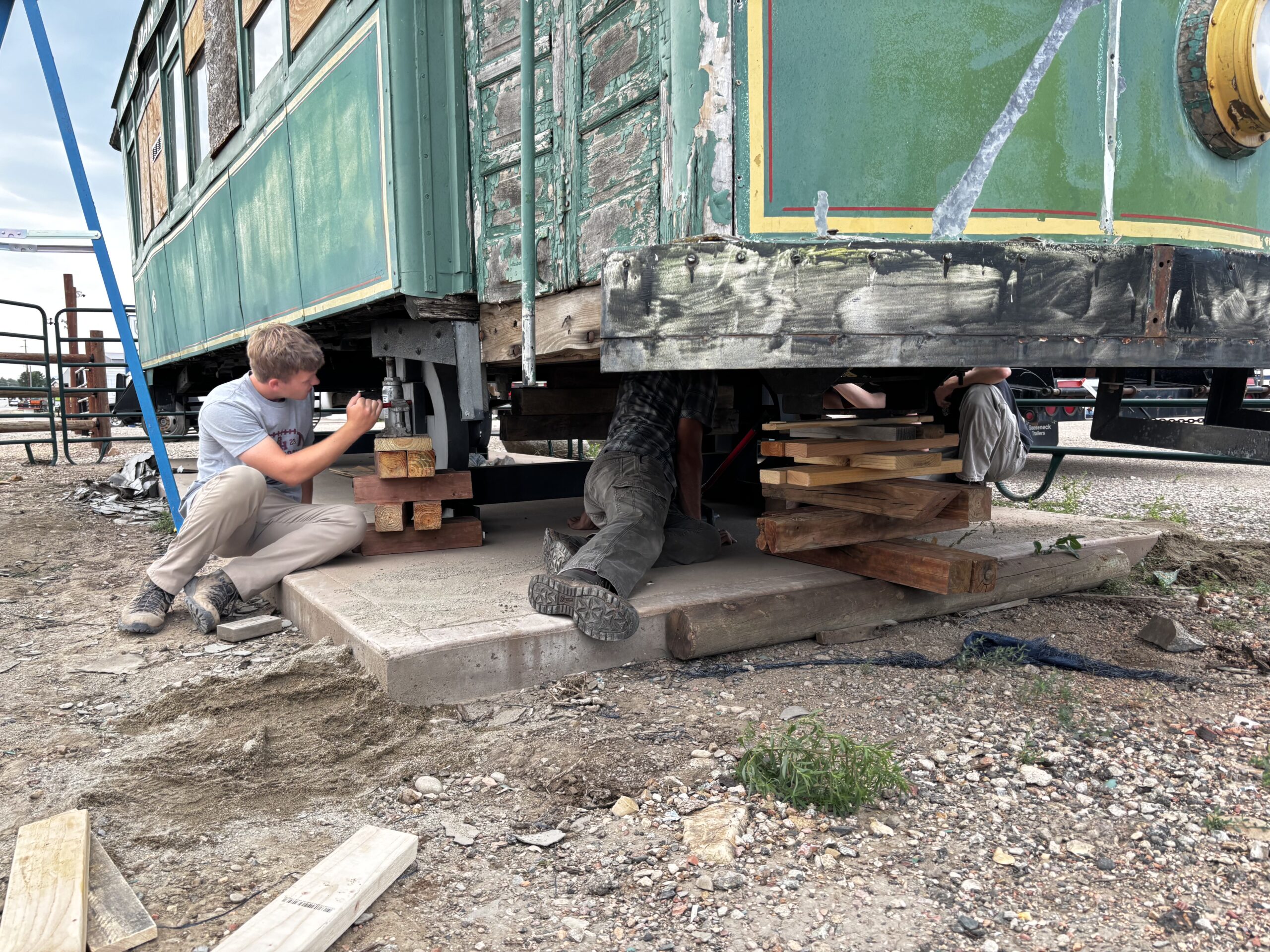
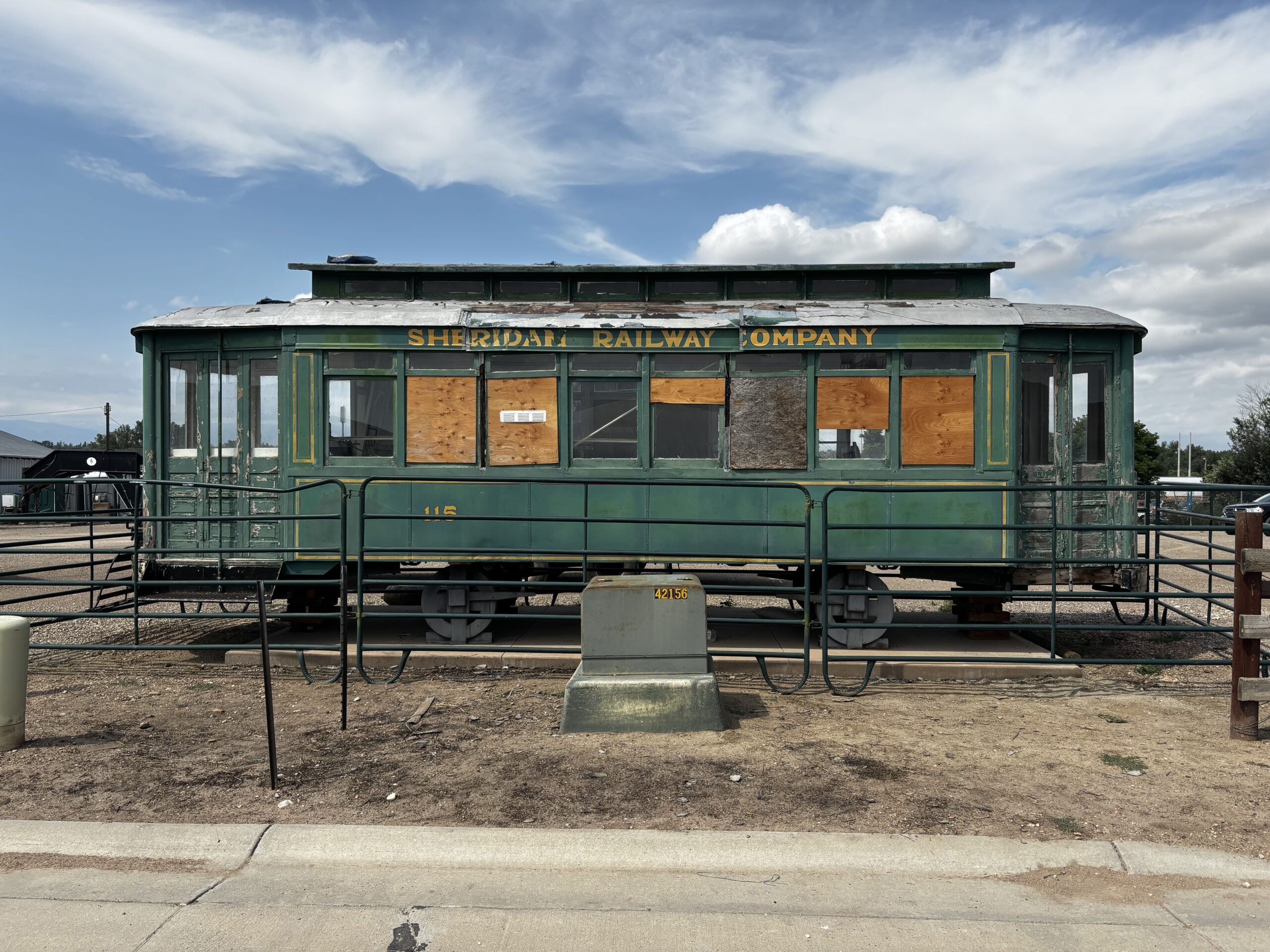
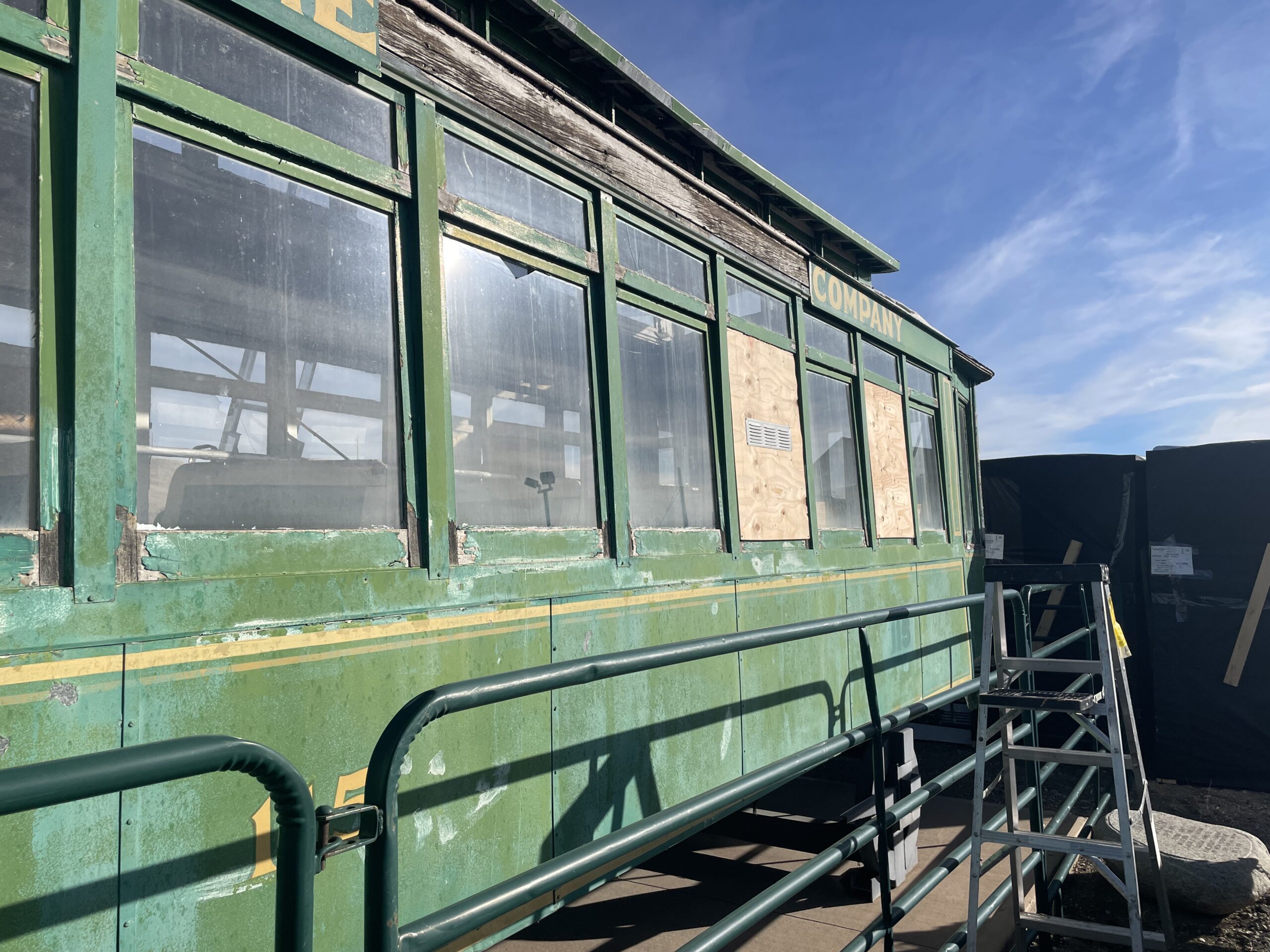
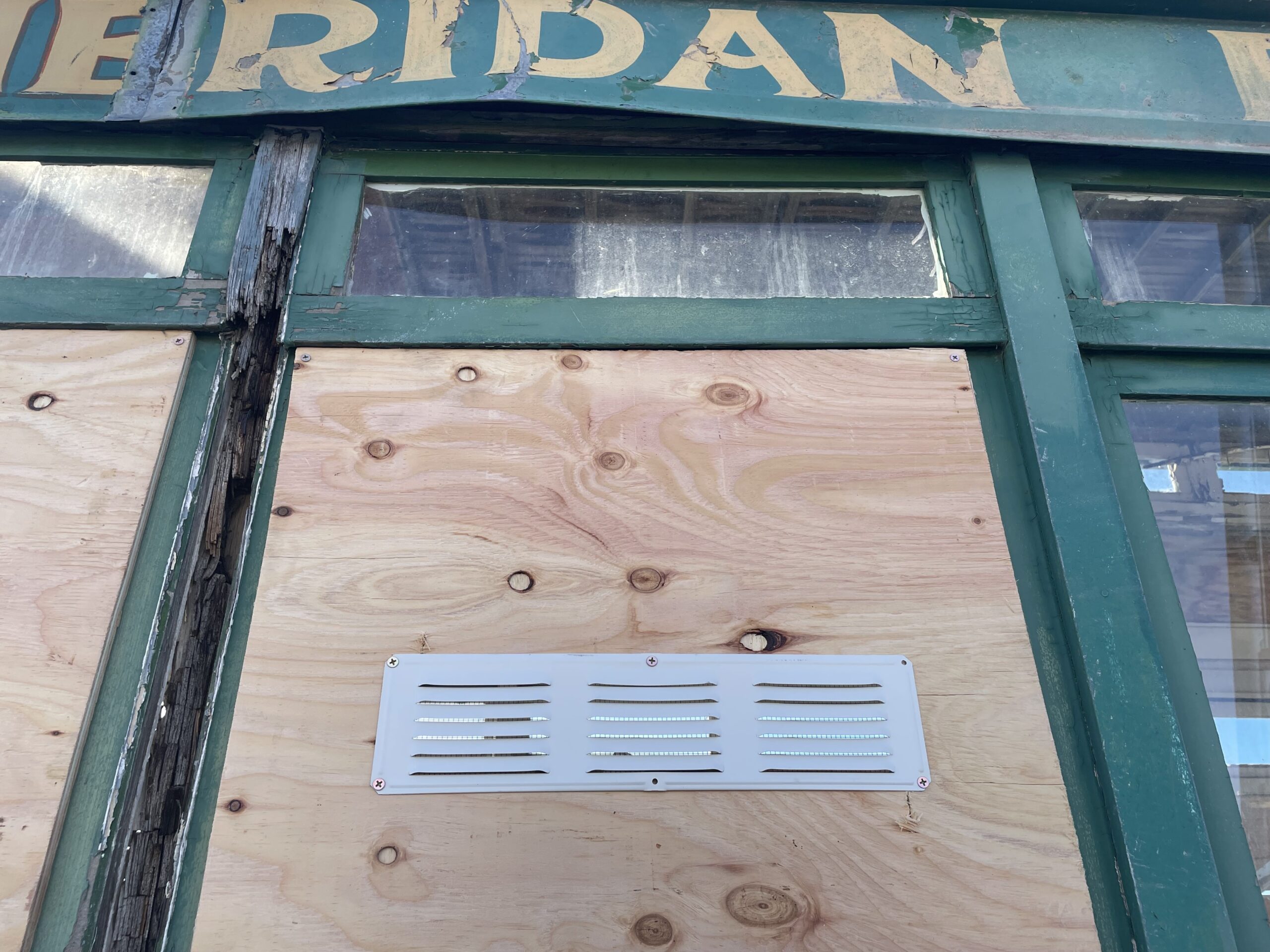
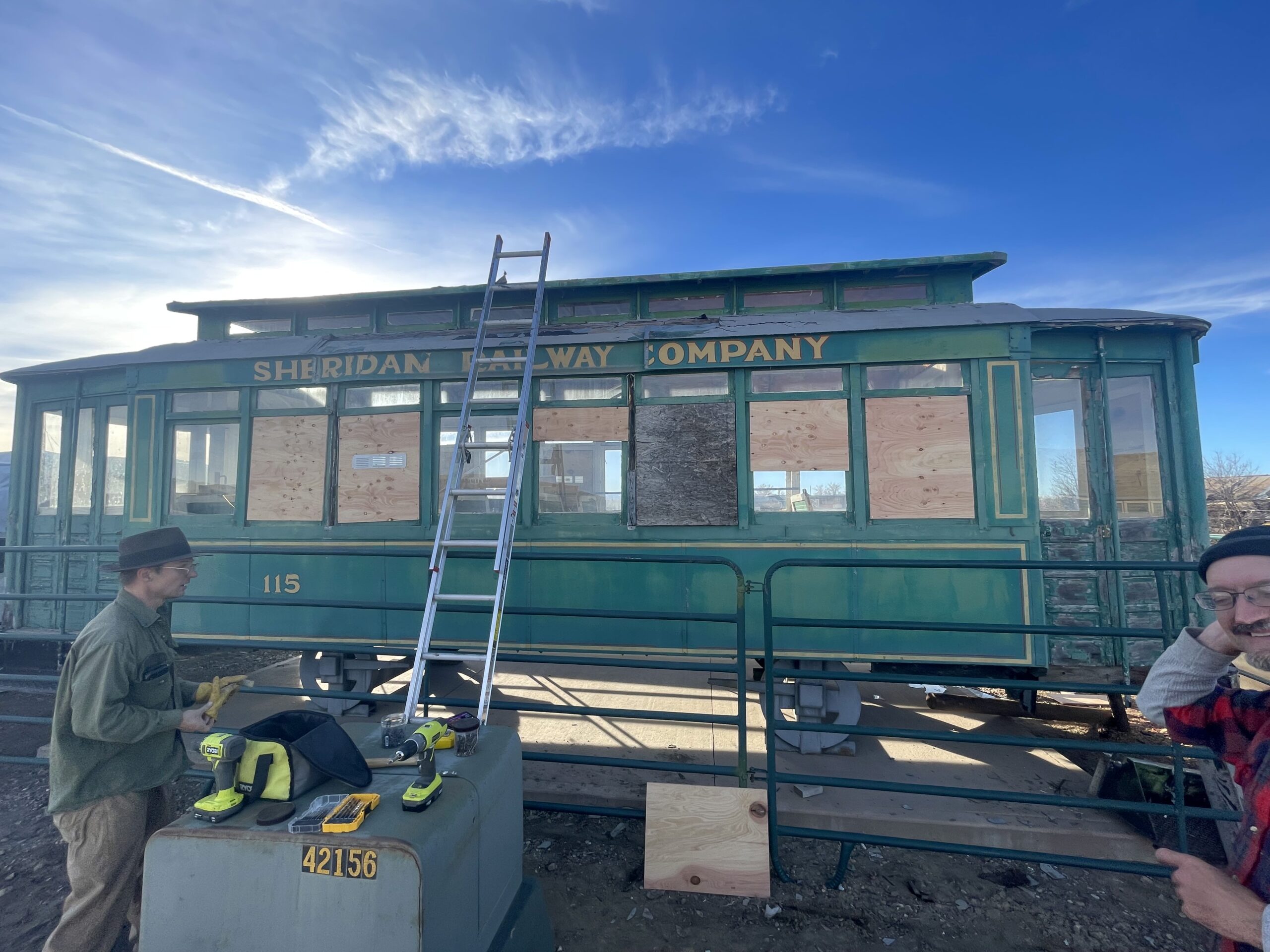
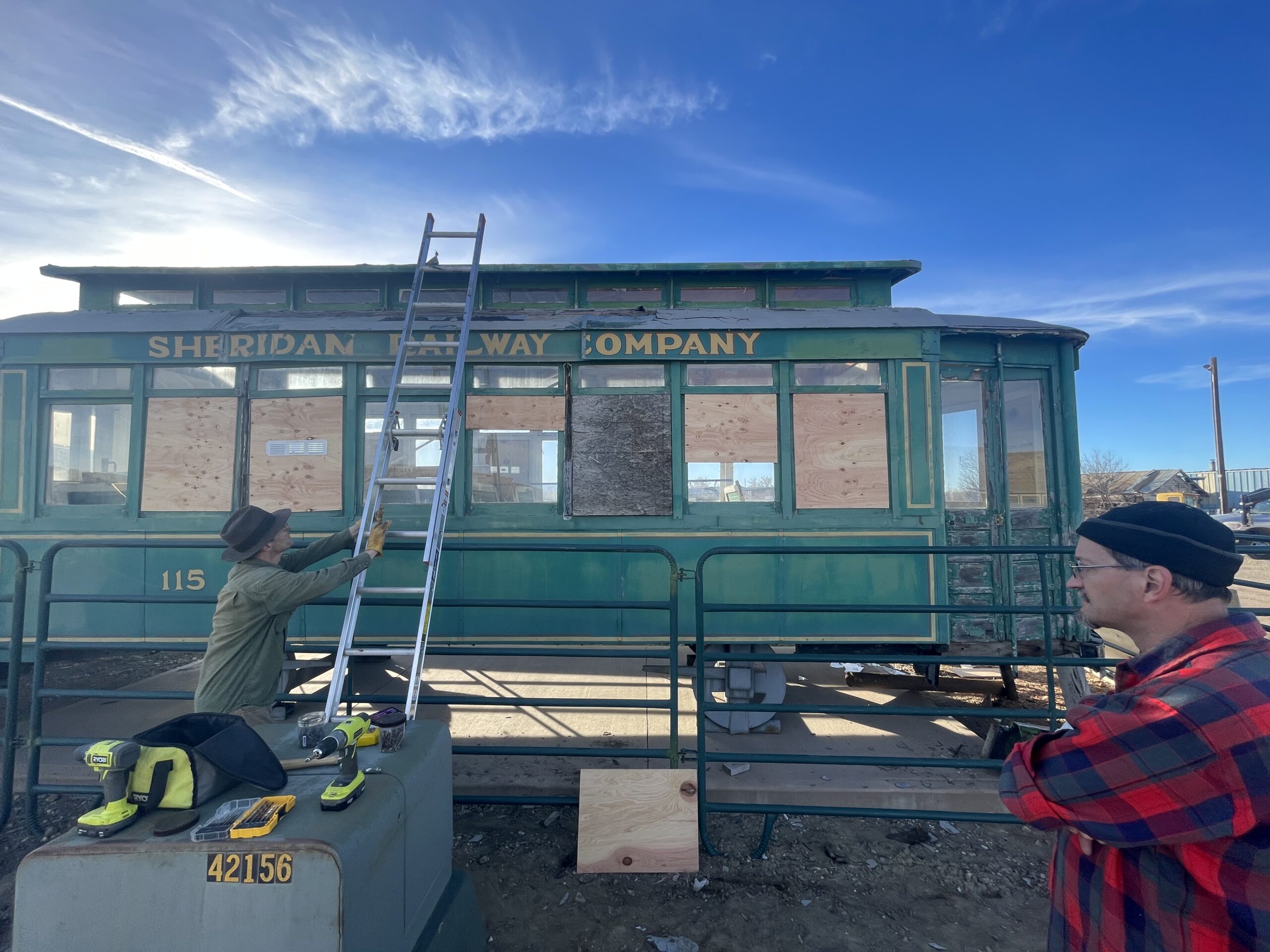
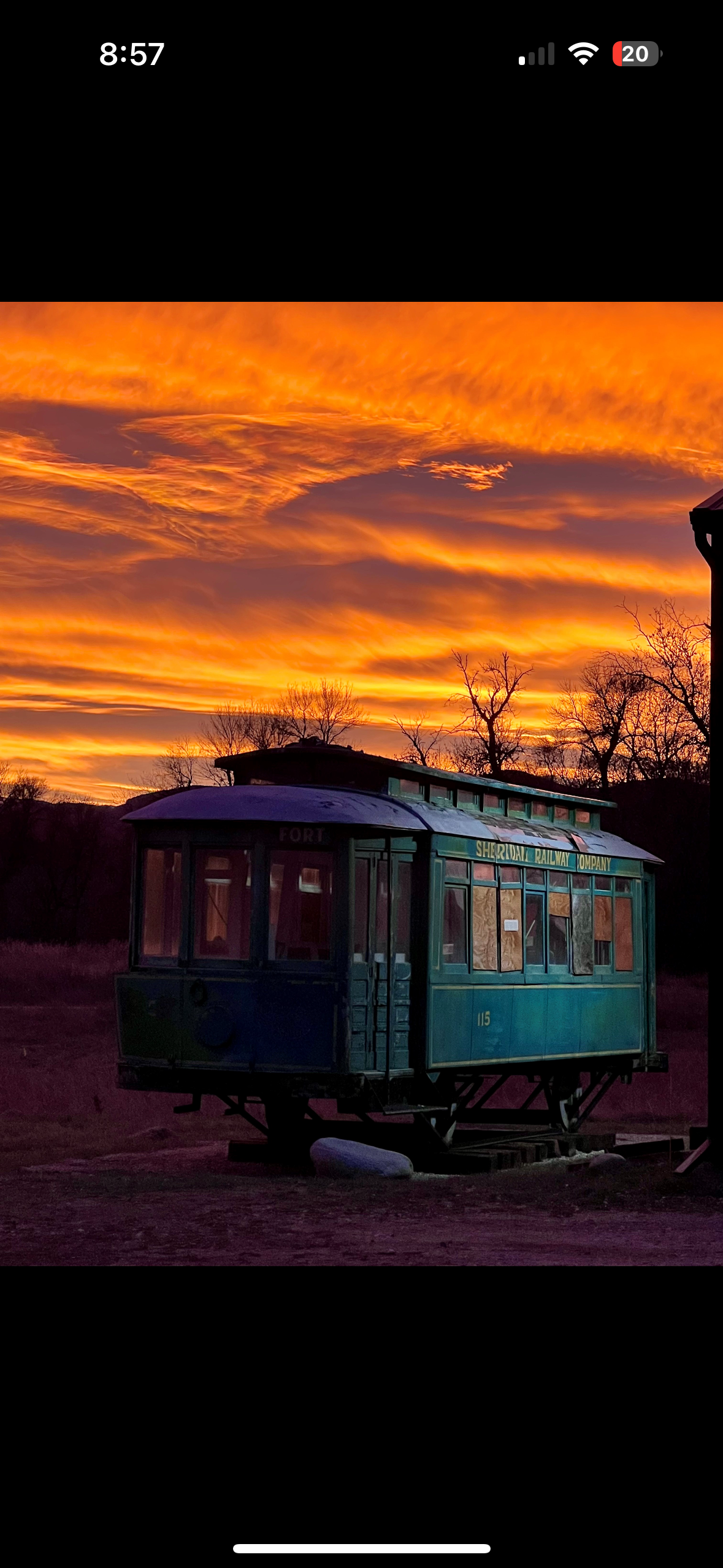
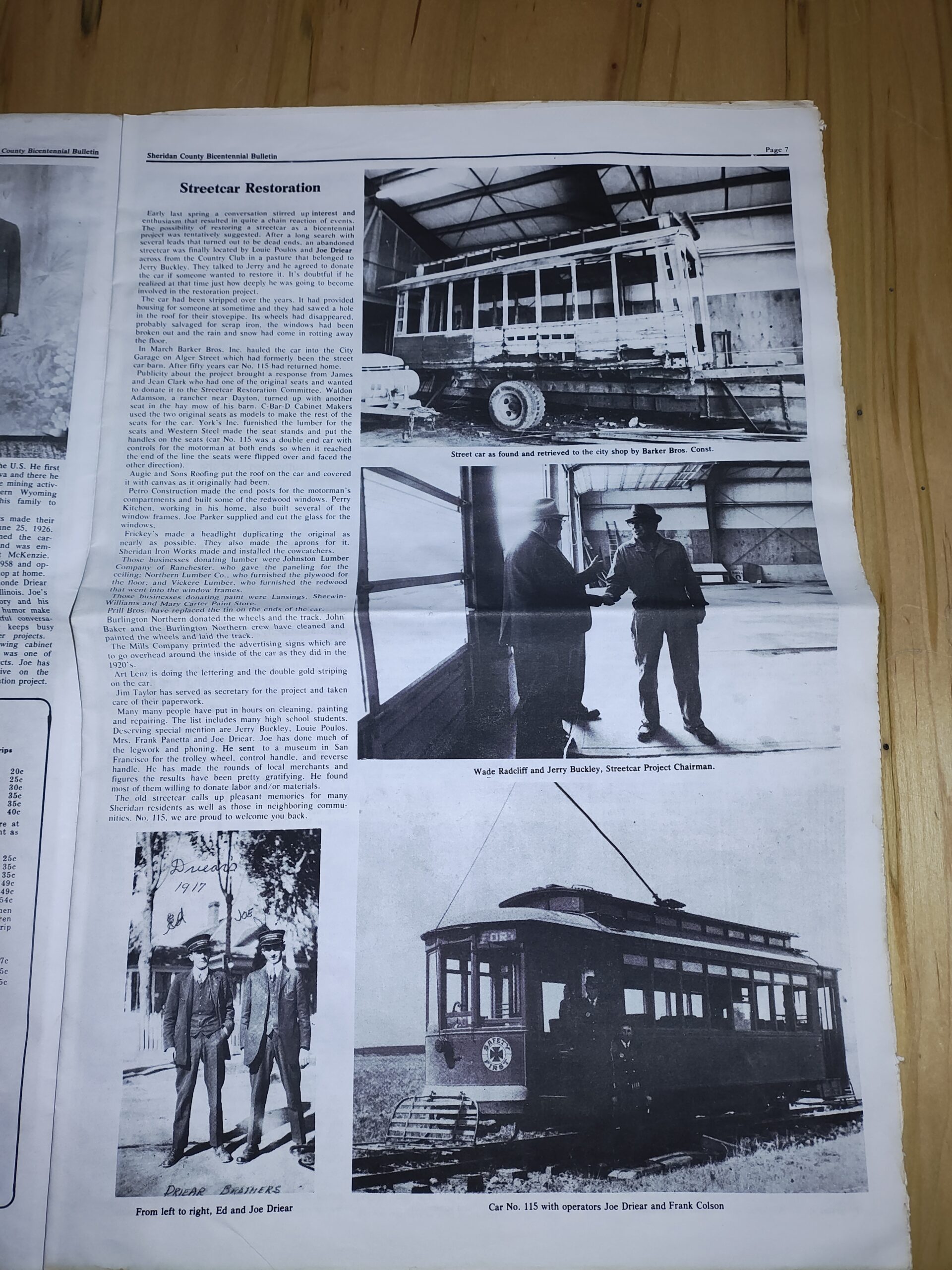
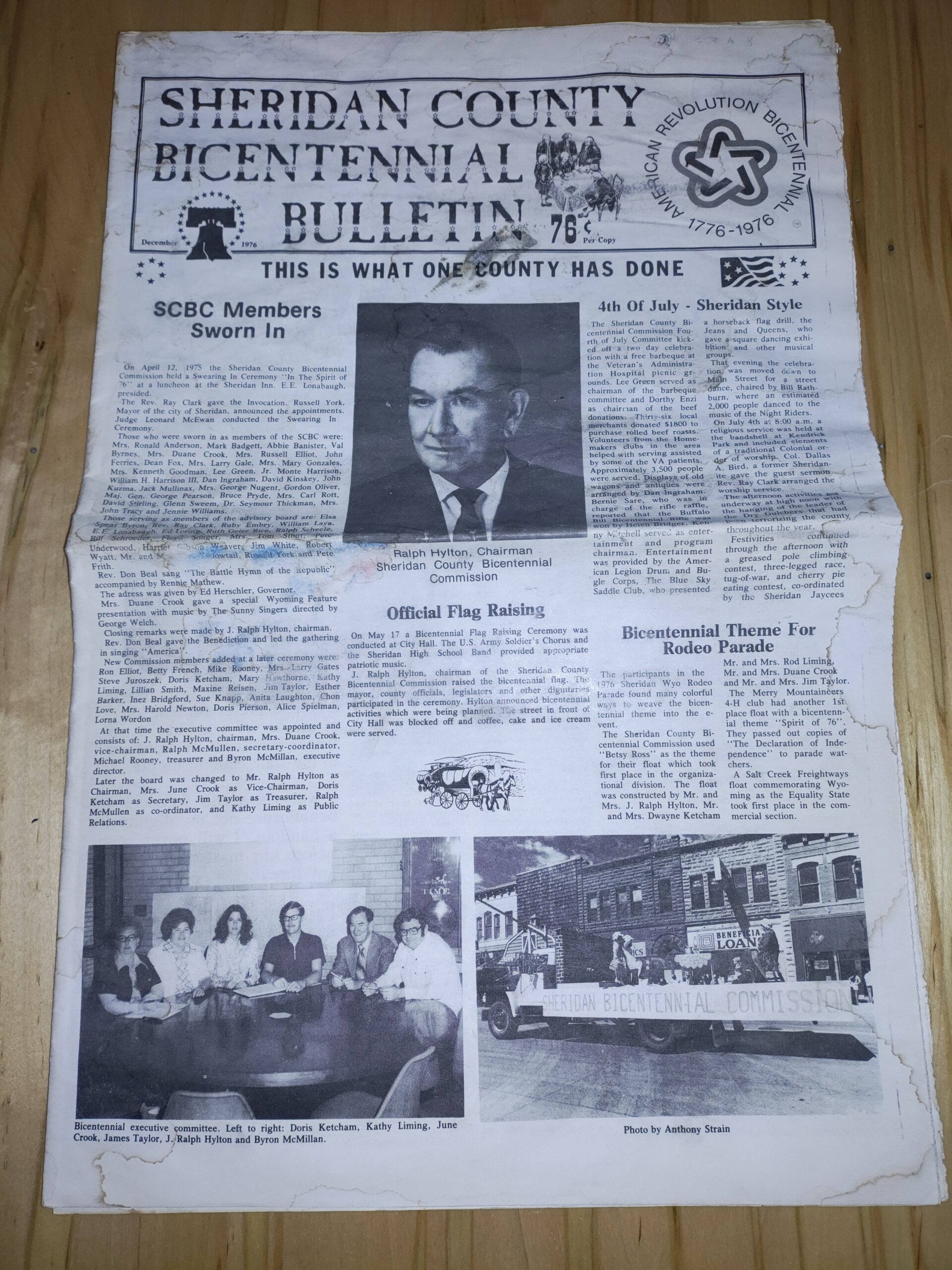
#115 was a “fort car” servicing Fort Mackenzie. After streetcar service ended in the 1920s with the decline of the coal mines and the rise of automobiles and buses, most of the cars were lost to time. The dilapidated remains of this car were rediscovered fifty years later and restored for Sheridan’s Bicentennial in 1976. The restored Ol’ #115 was displayed at various locations over the years, including Main Street, the Best Western Sheridan Center, and the County Museum.
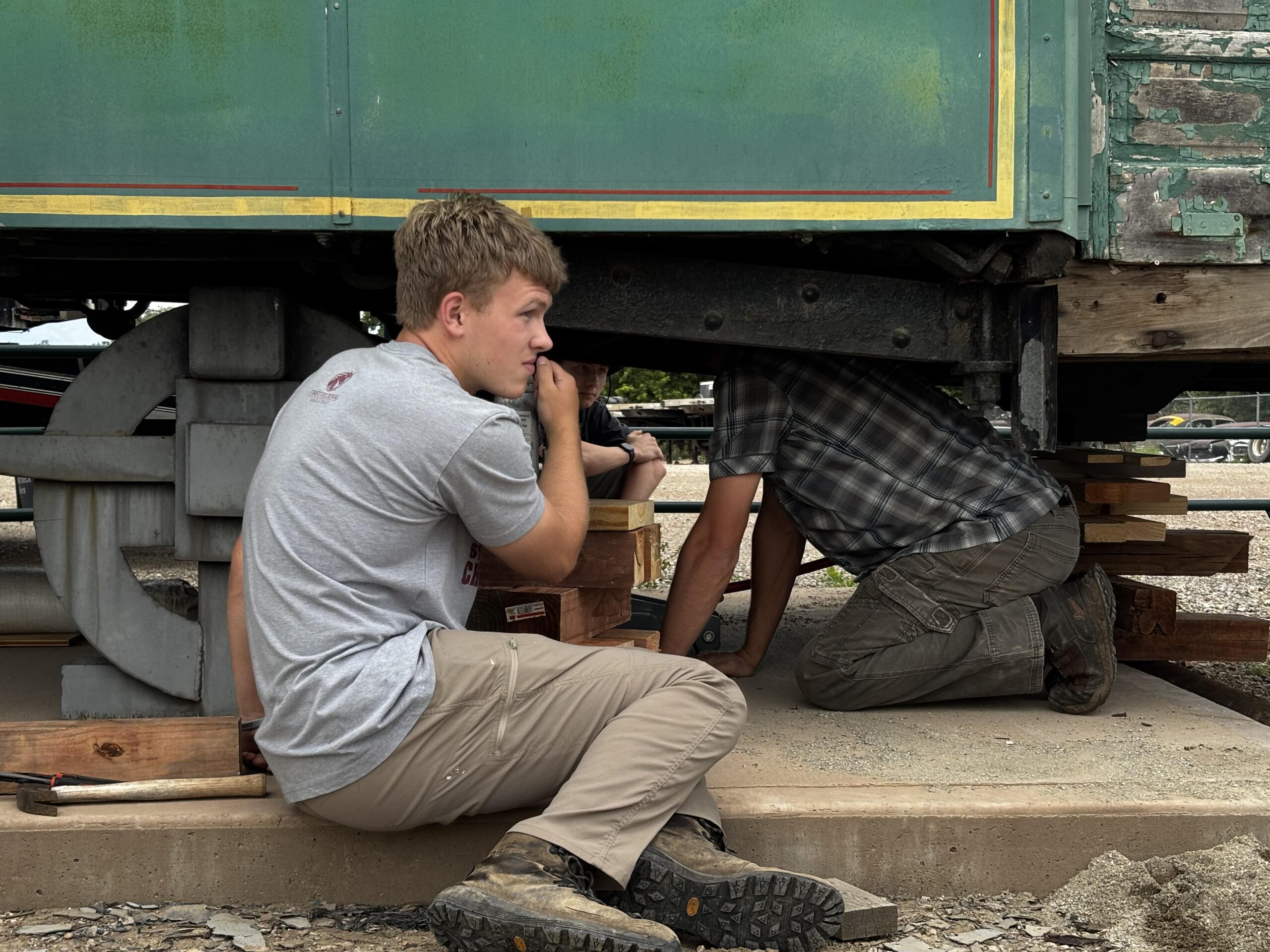
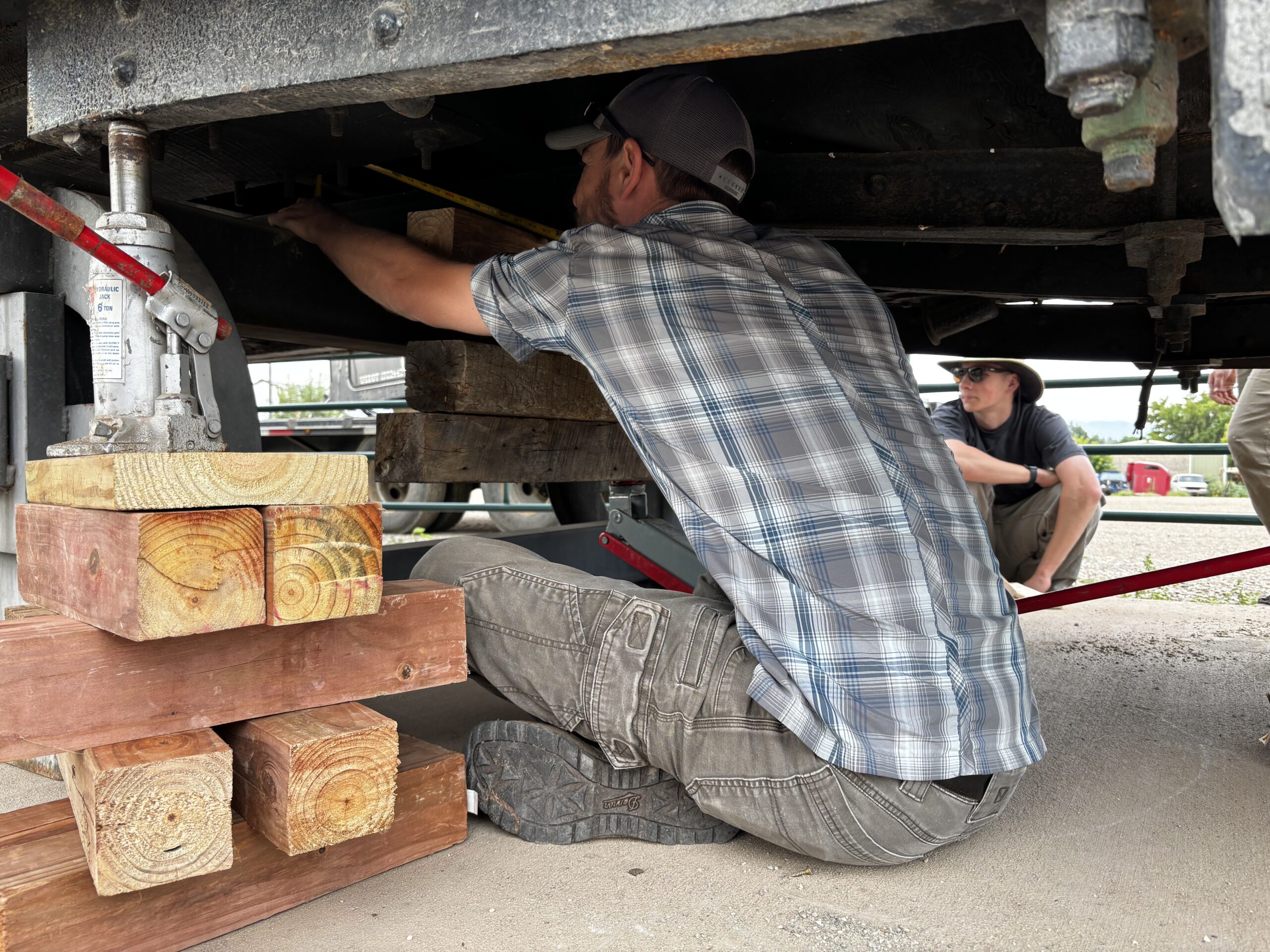
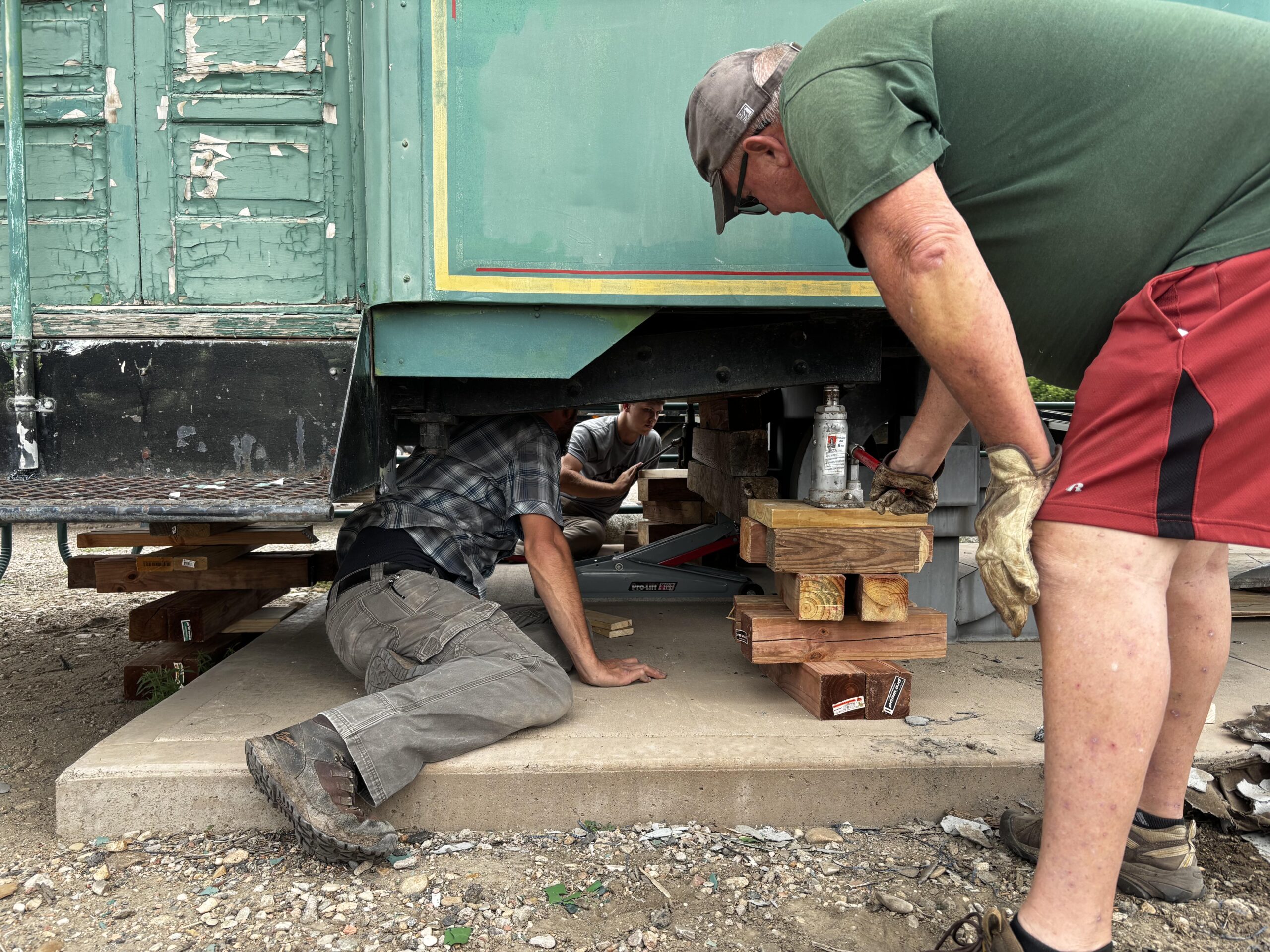
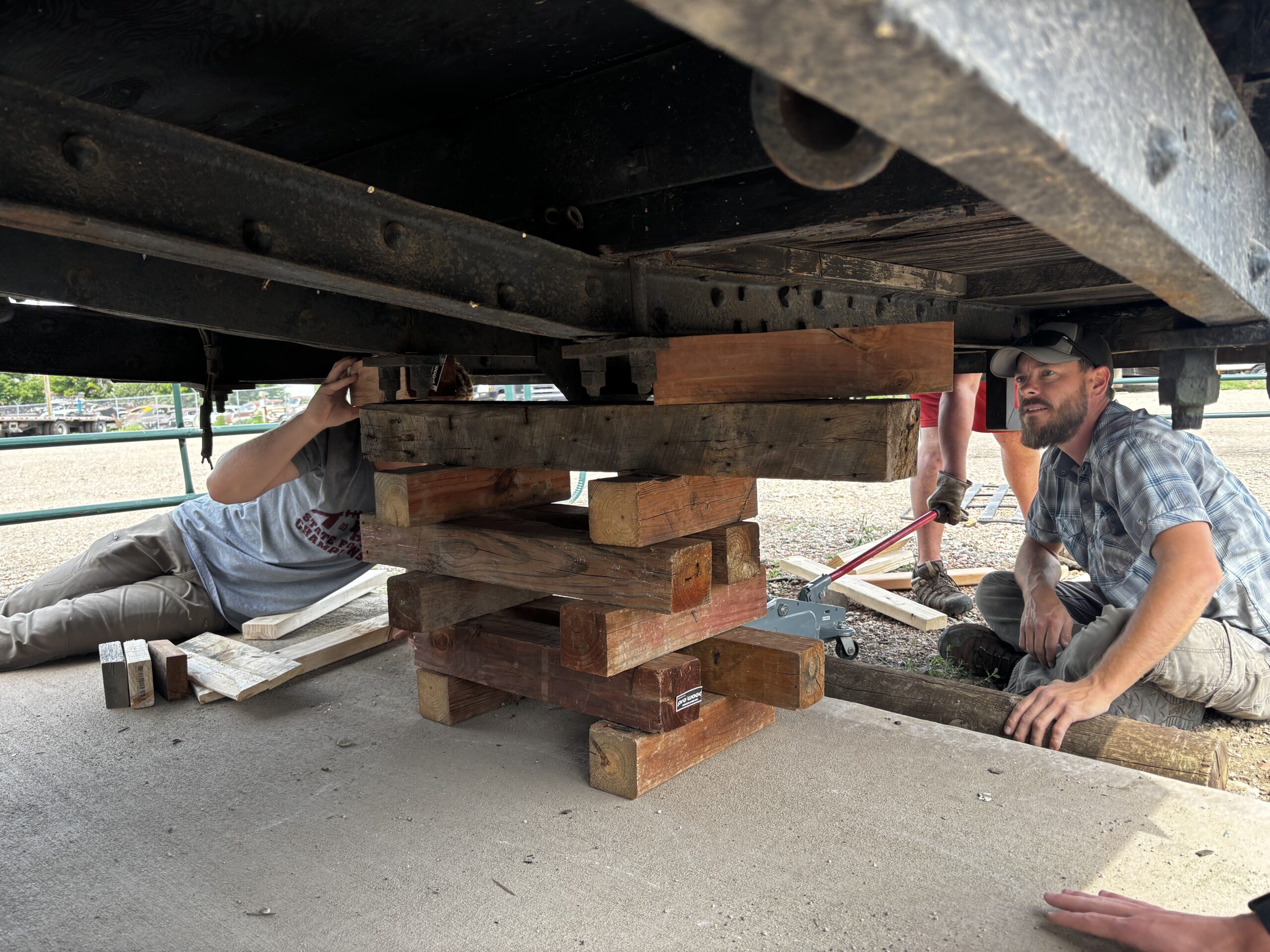
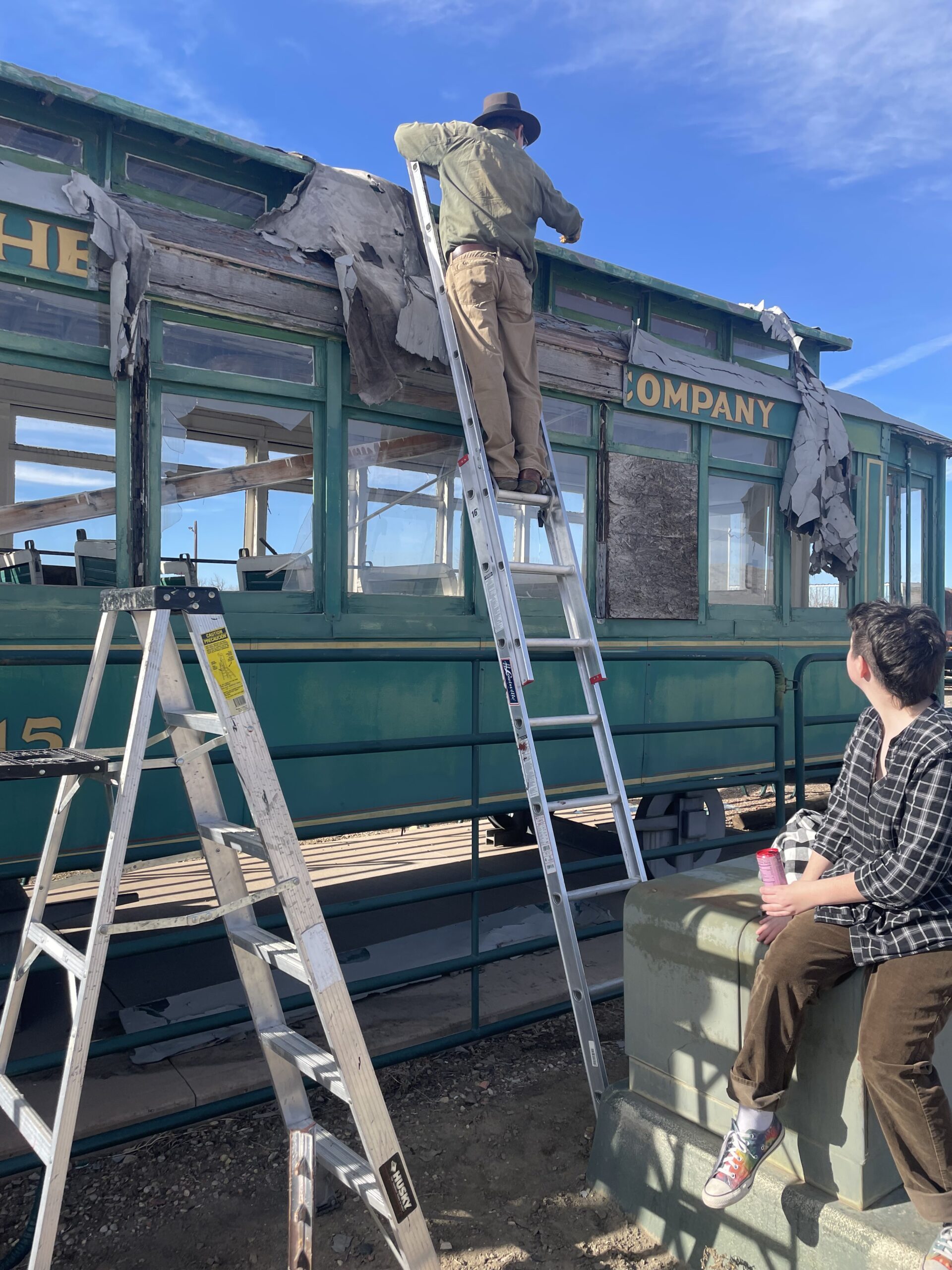
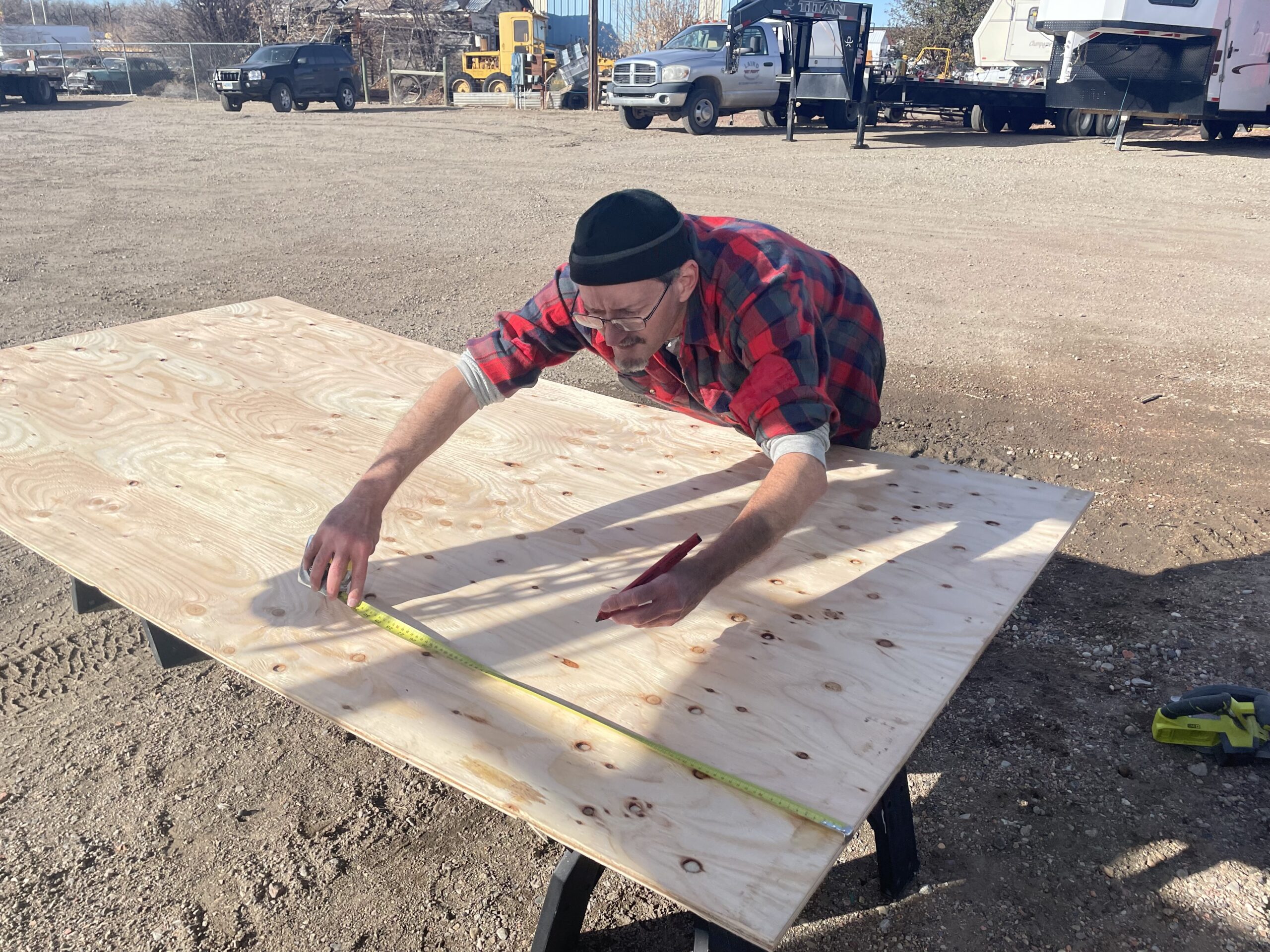
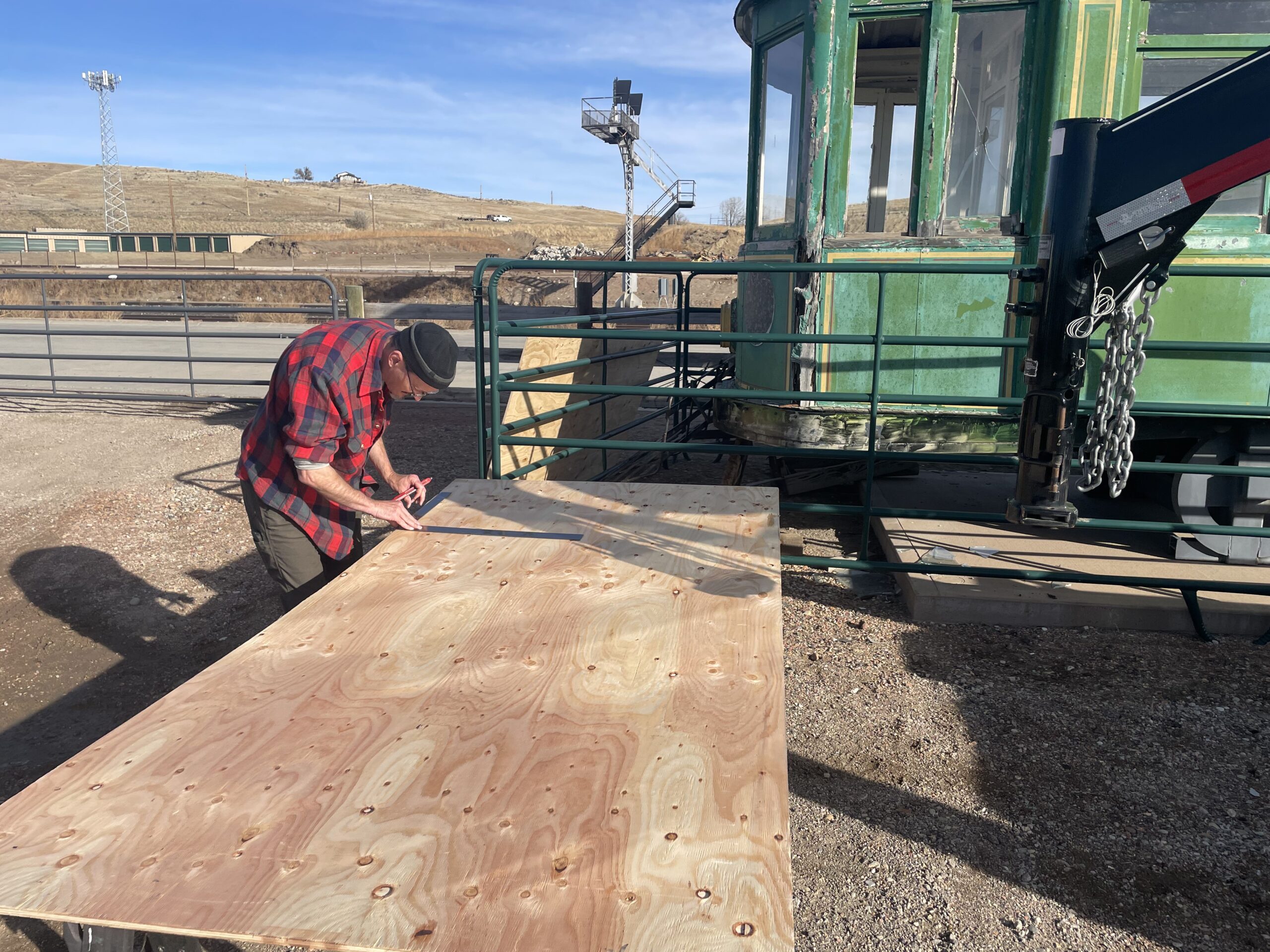
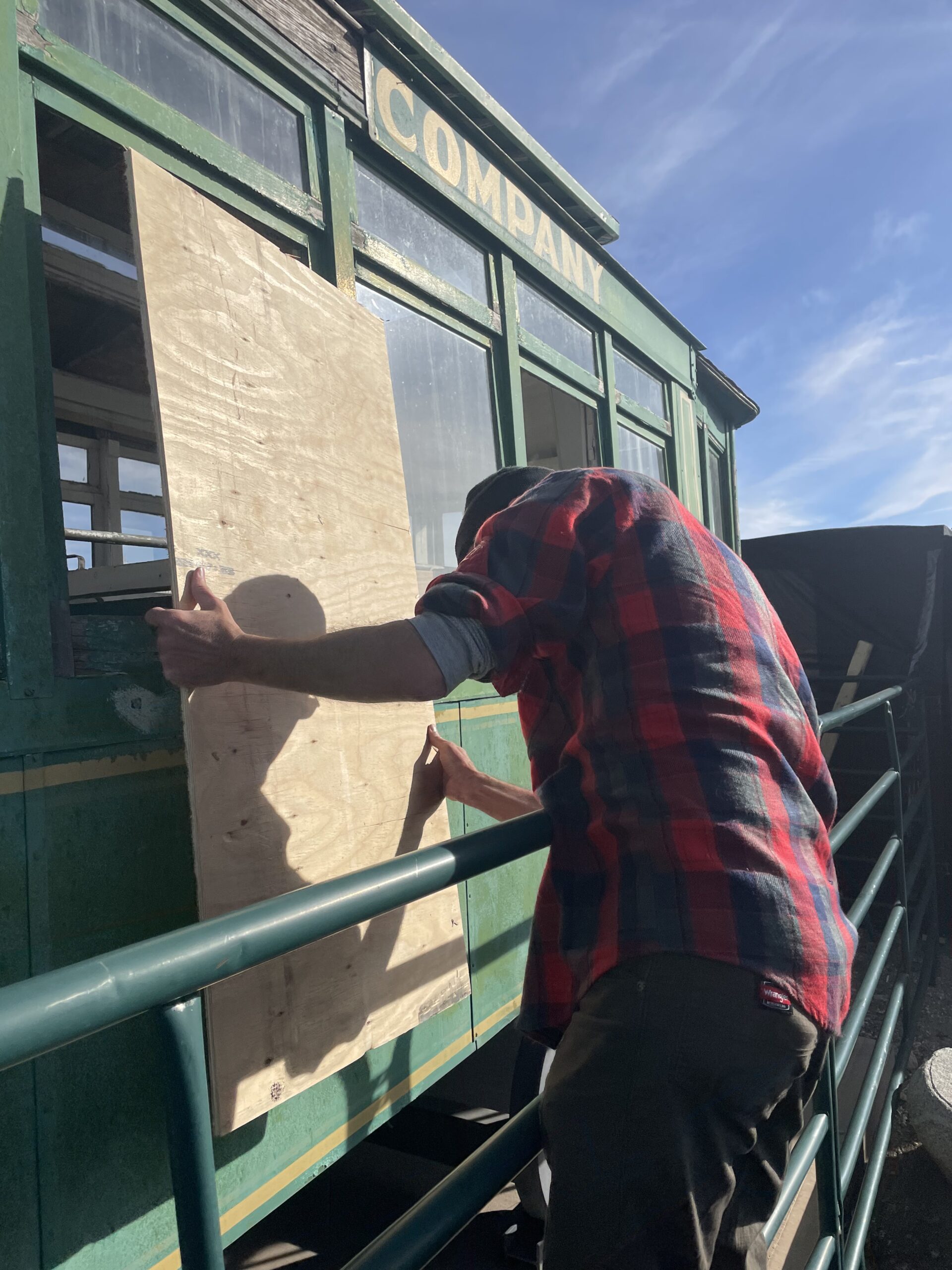
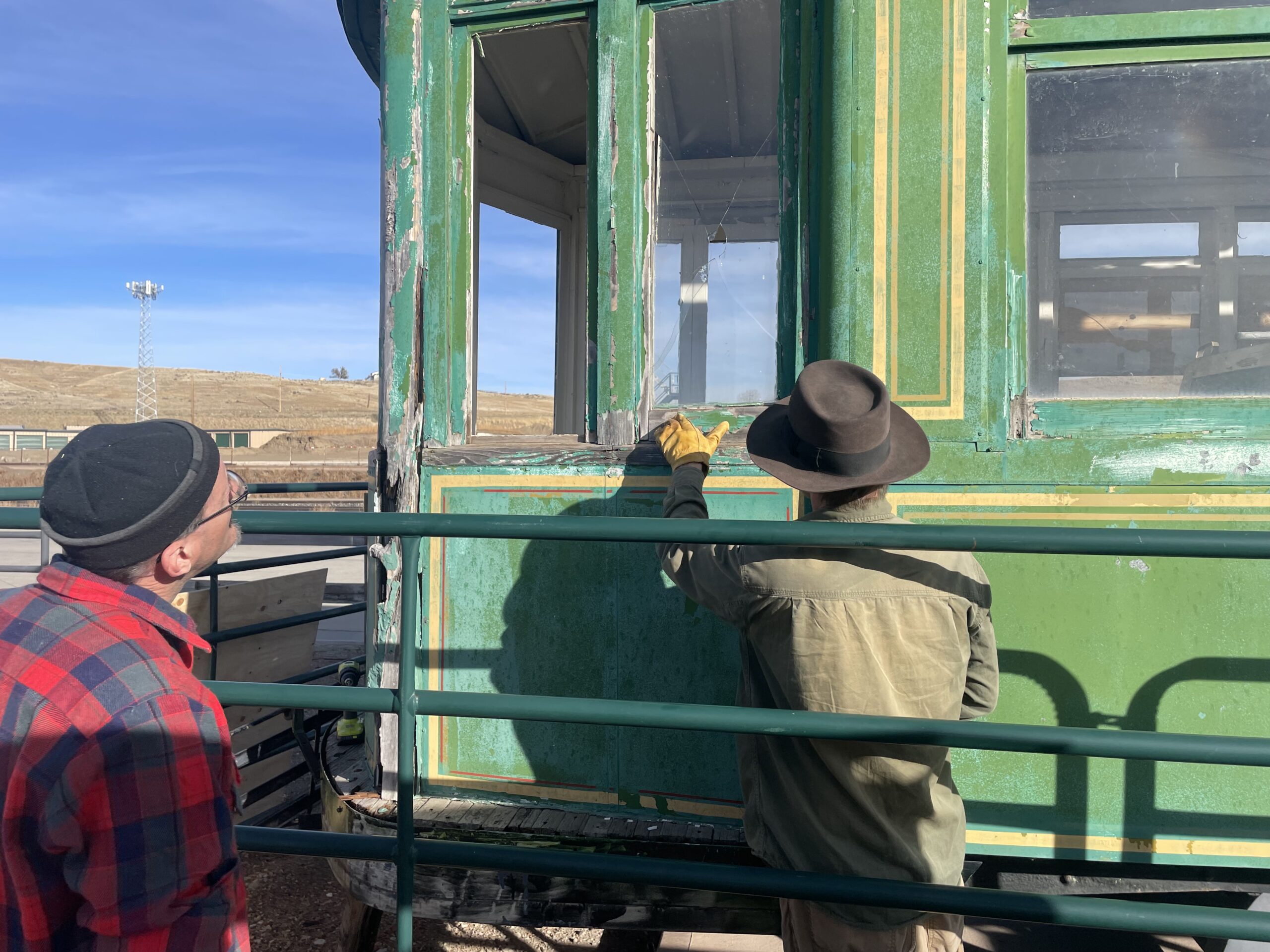
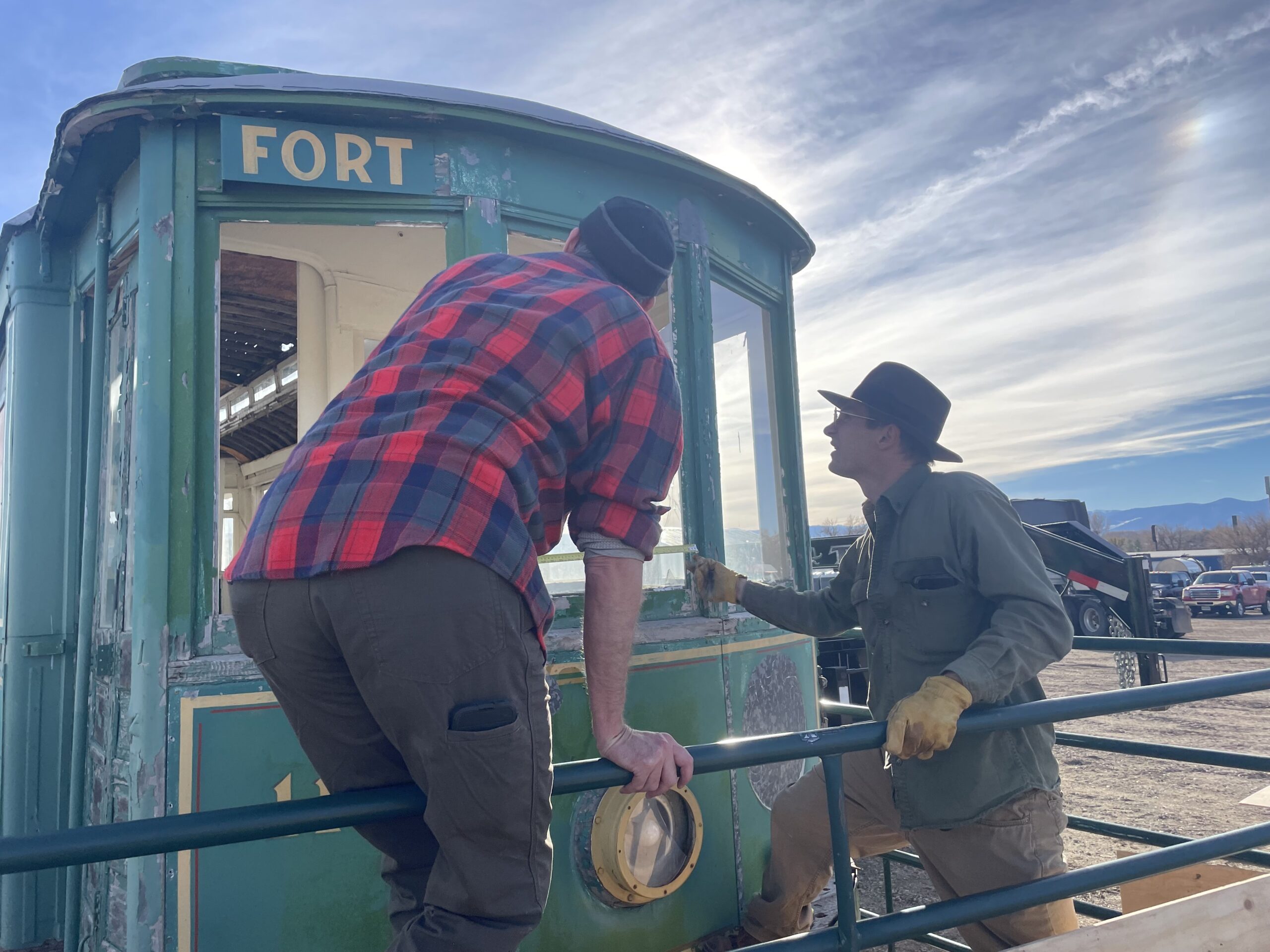
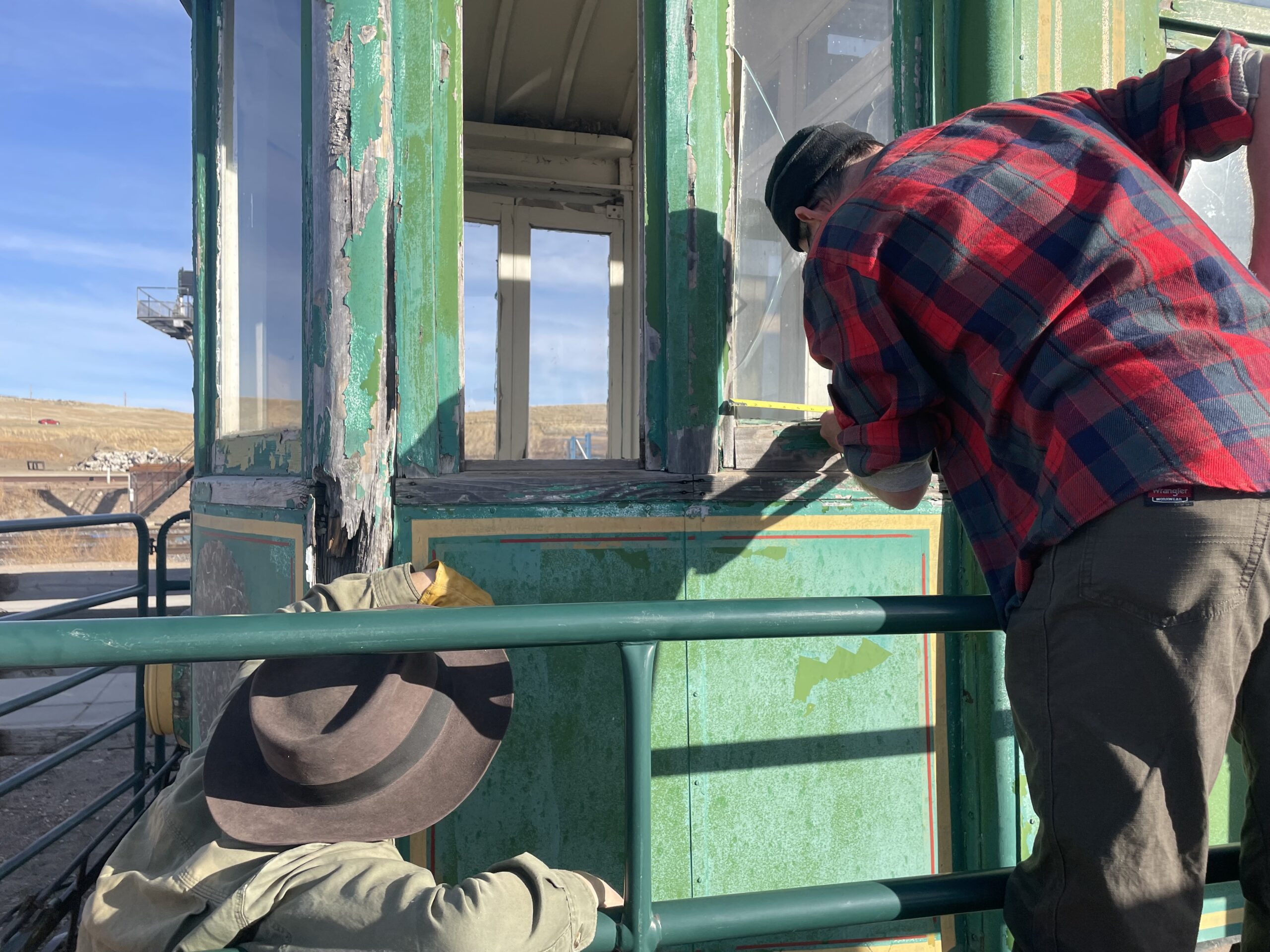
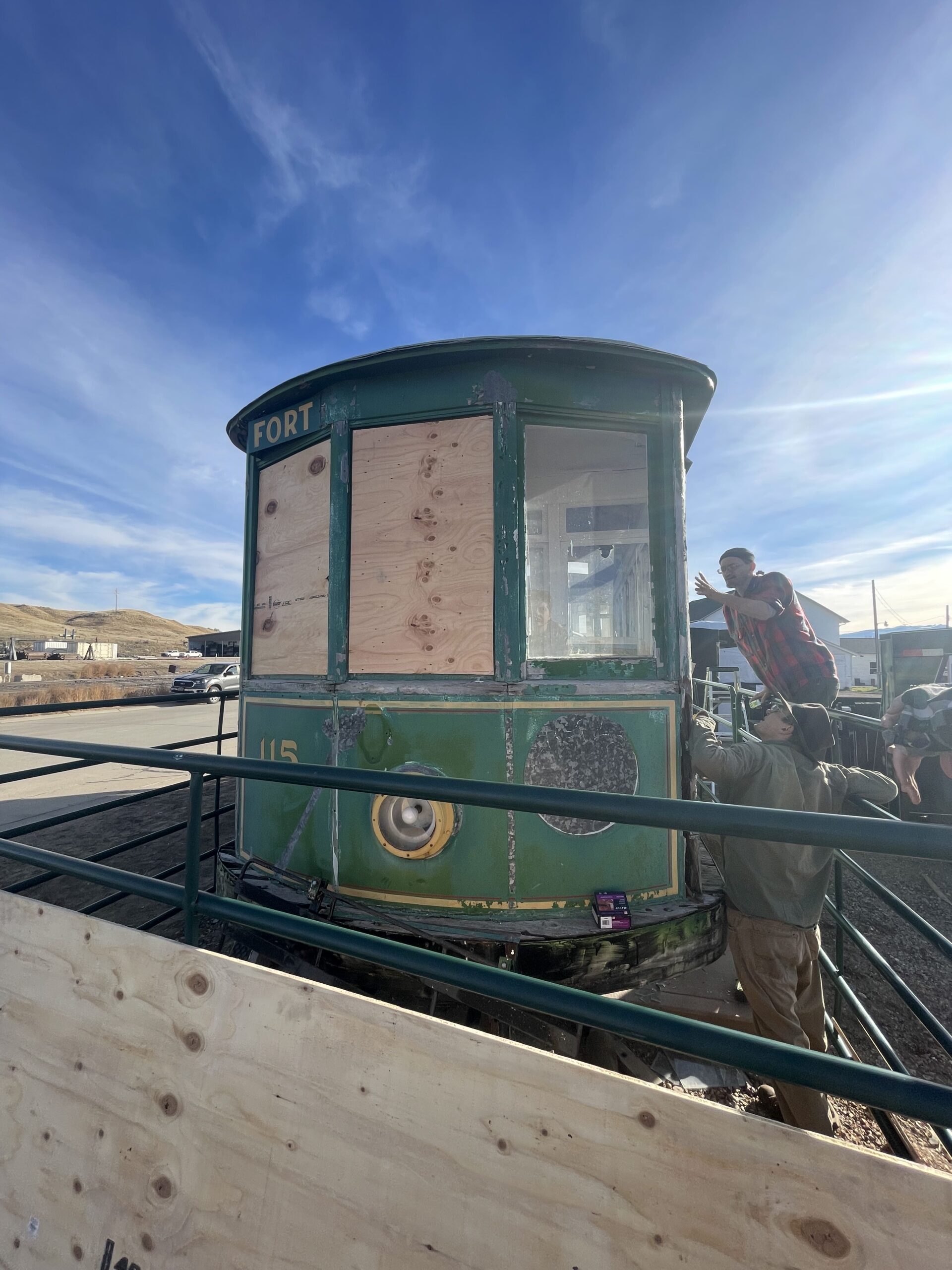
In 2025, the Sheridan Community Land Trust moved Ol’ #115 to the Big Goose Natural Area as a permanent home with a protective shelter. In 2026, 100 years after it was retired, SCLT began restoring the streetcar again — ensuring that its story continues to be shared for generations to come.
Historic Photos
IMG_1999
IMG_1997
IMG_1992
IMG_1993
IMG_1994
IMG_1995
IMG_1996
IMG_1998
IMG_2009

IMG_2012
IMG_2013
IMG_2014
IMG_2015

IMG_2016
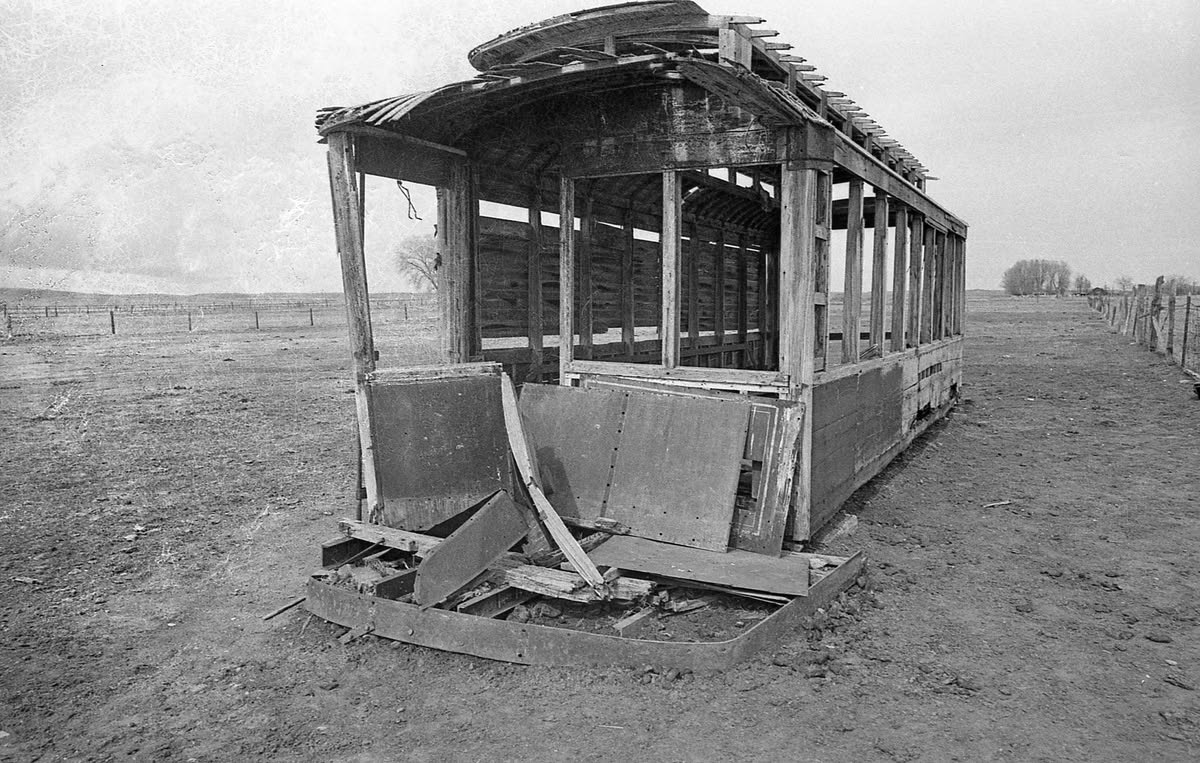
IMG_2017
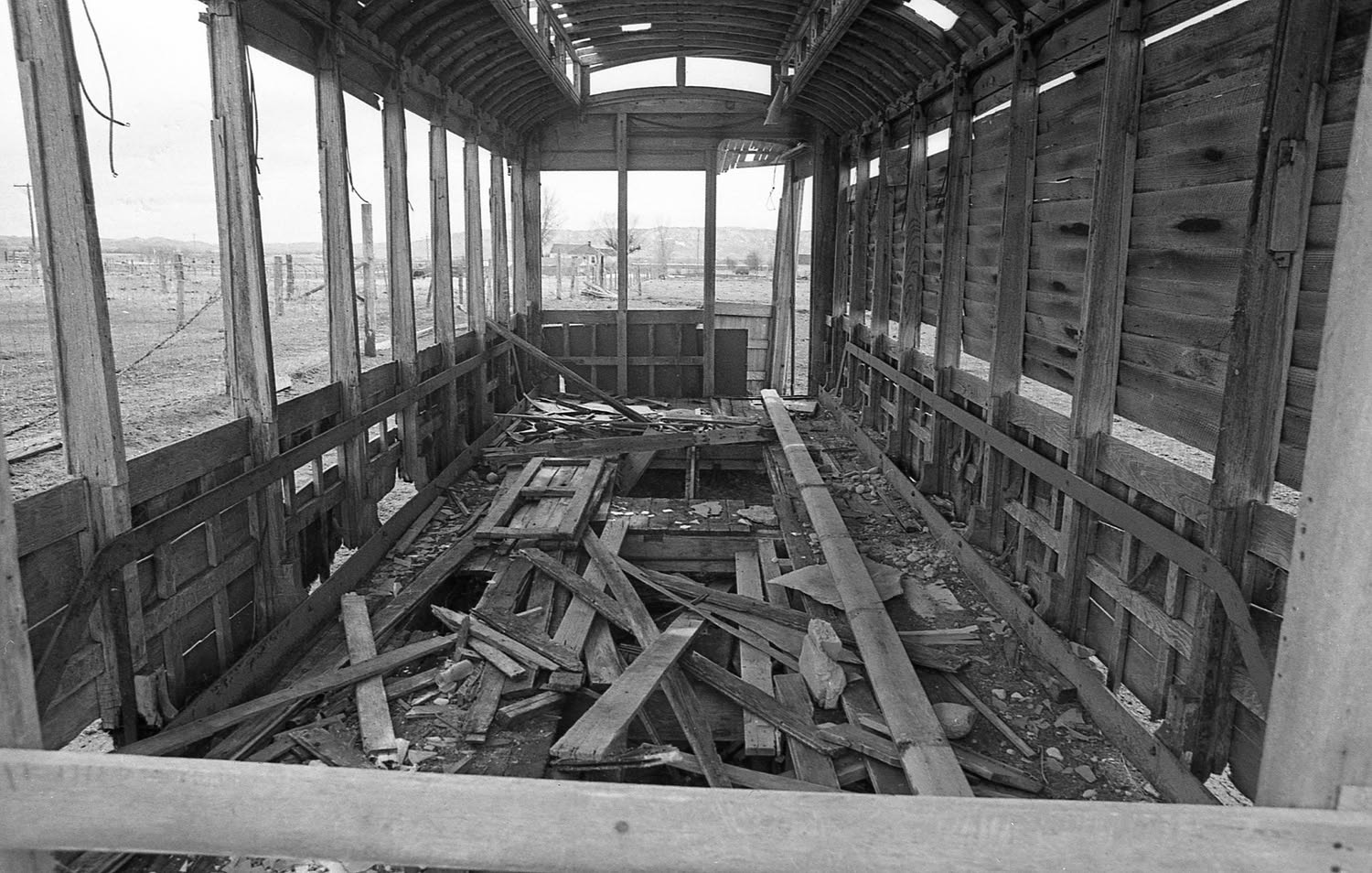
IMG_2019
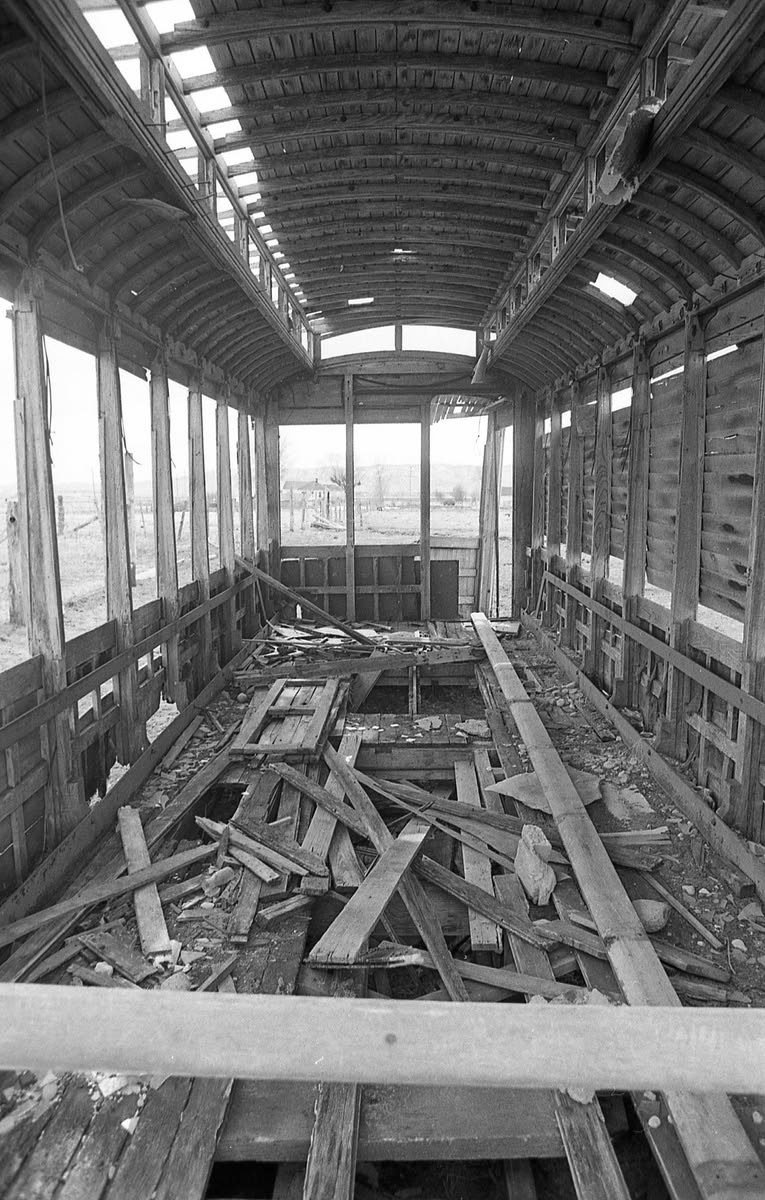
IMG_2020
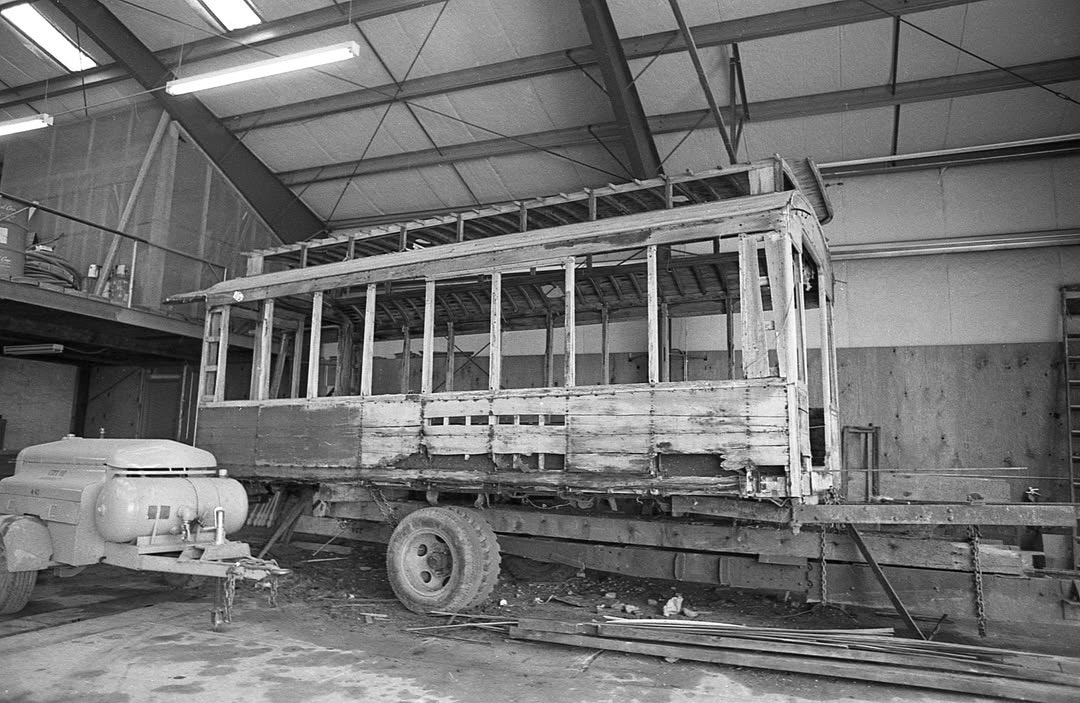
IMG_2021
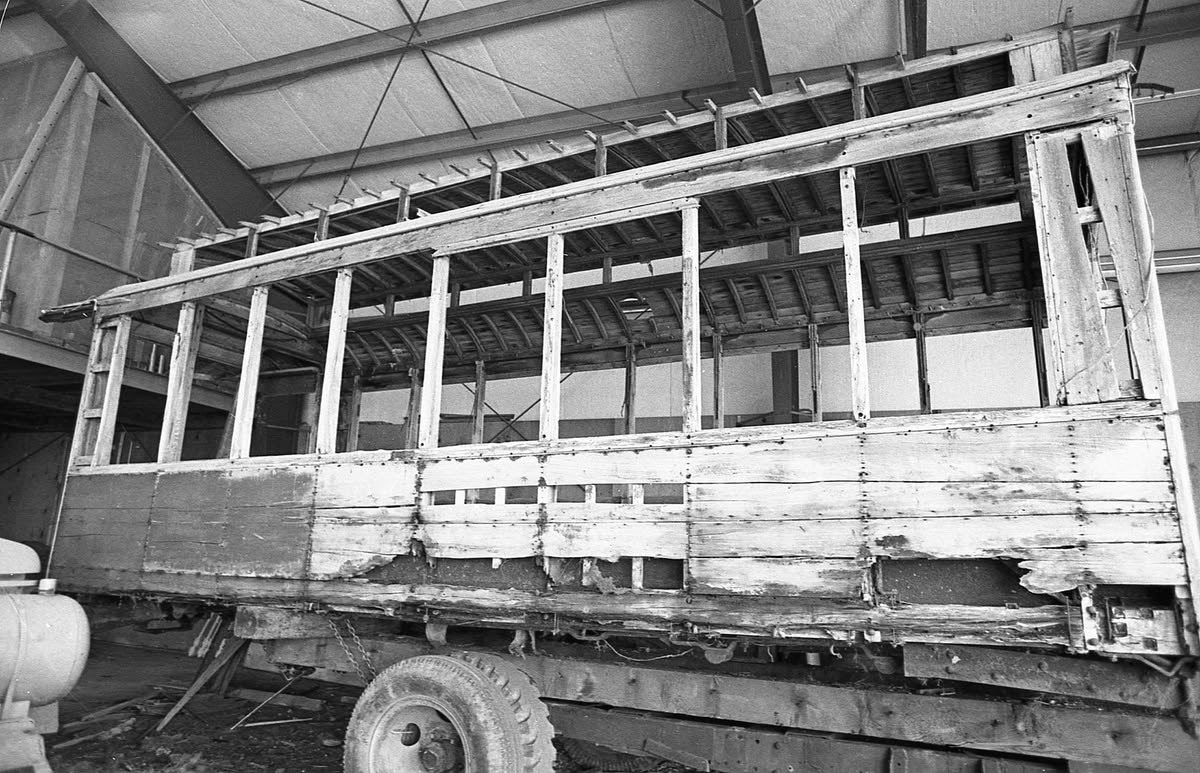
IMG_2022
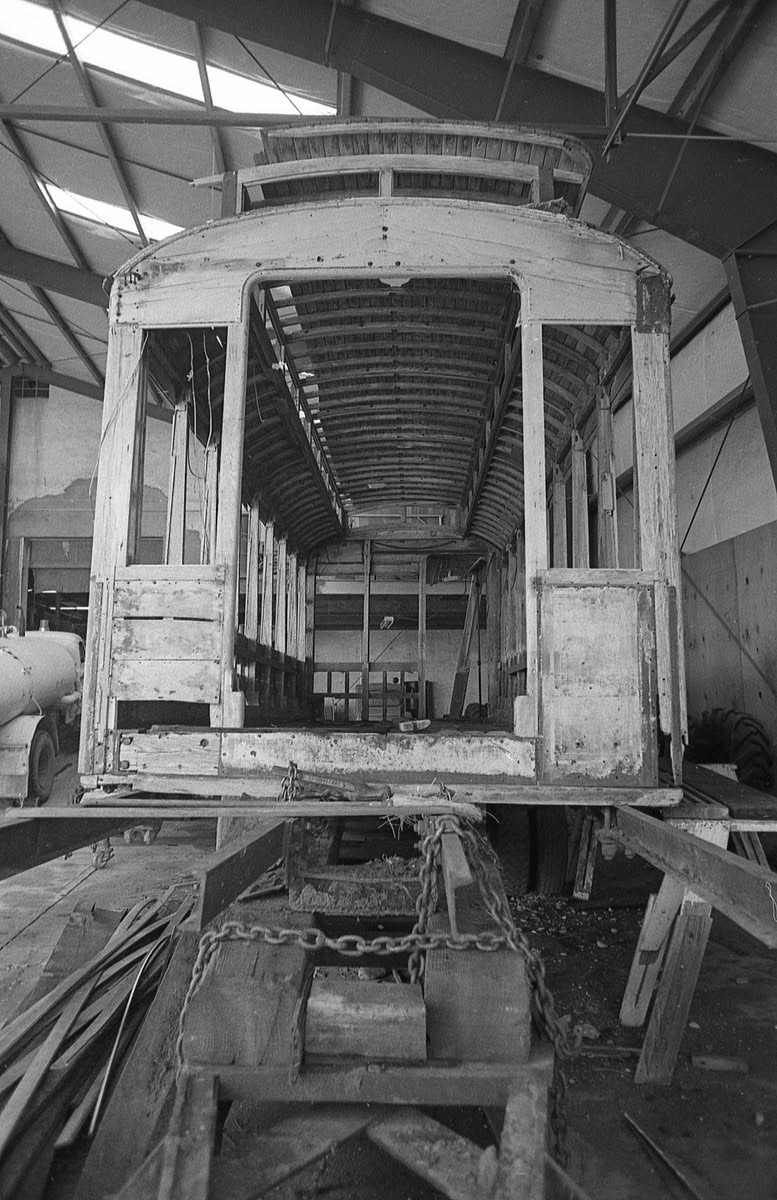
IMG_2023
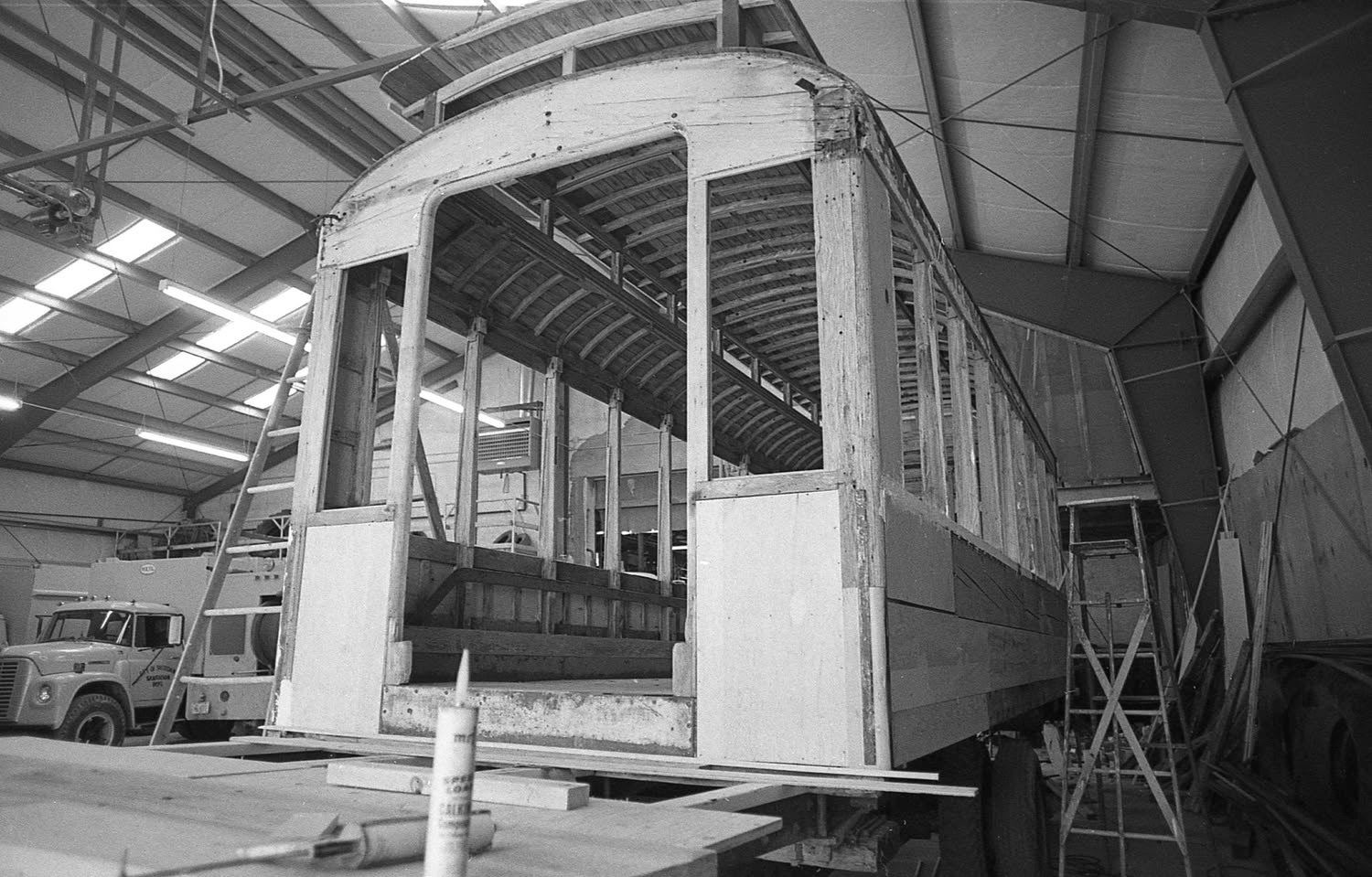
IMG_2024
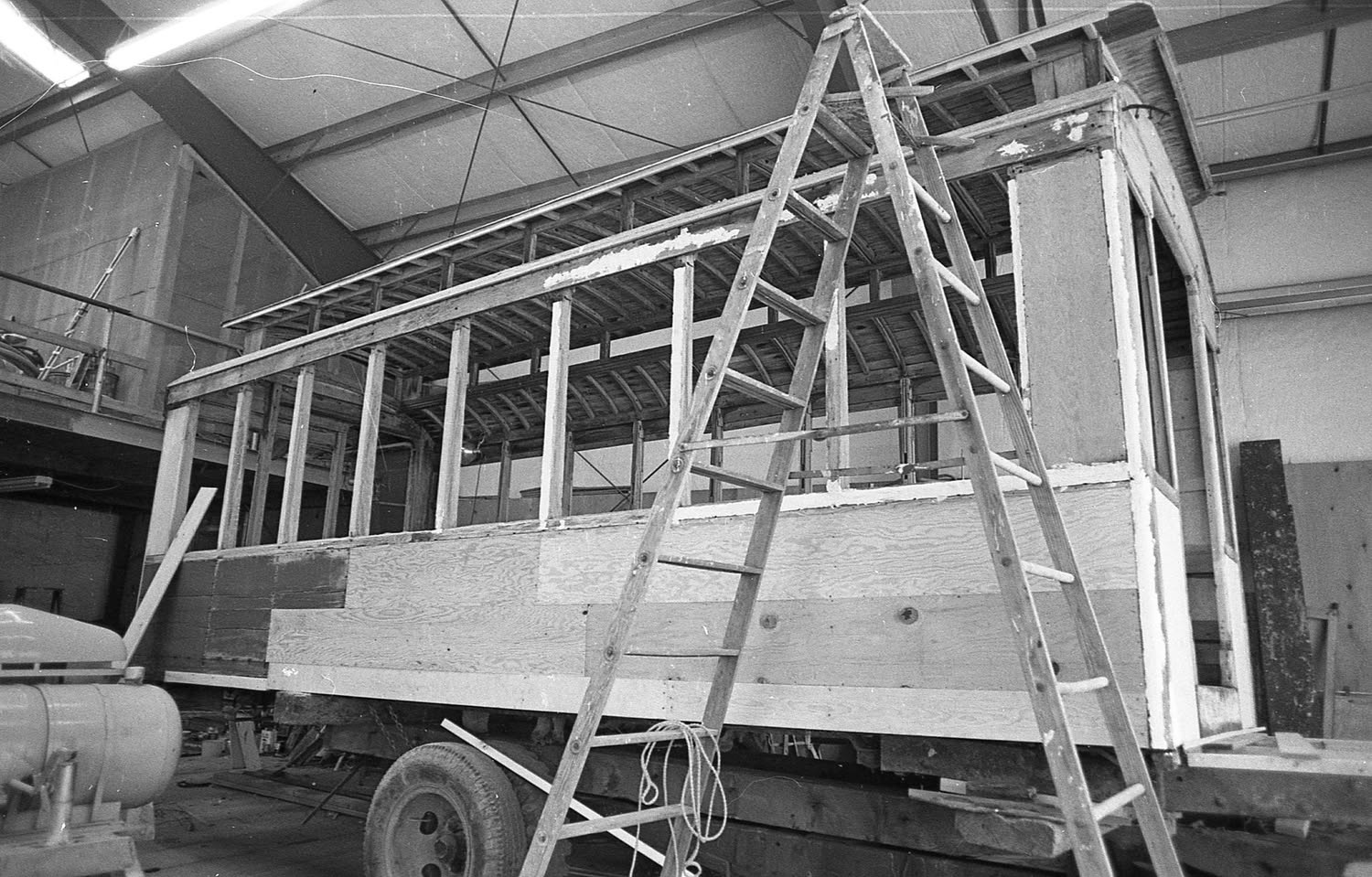
IMG_2025
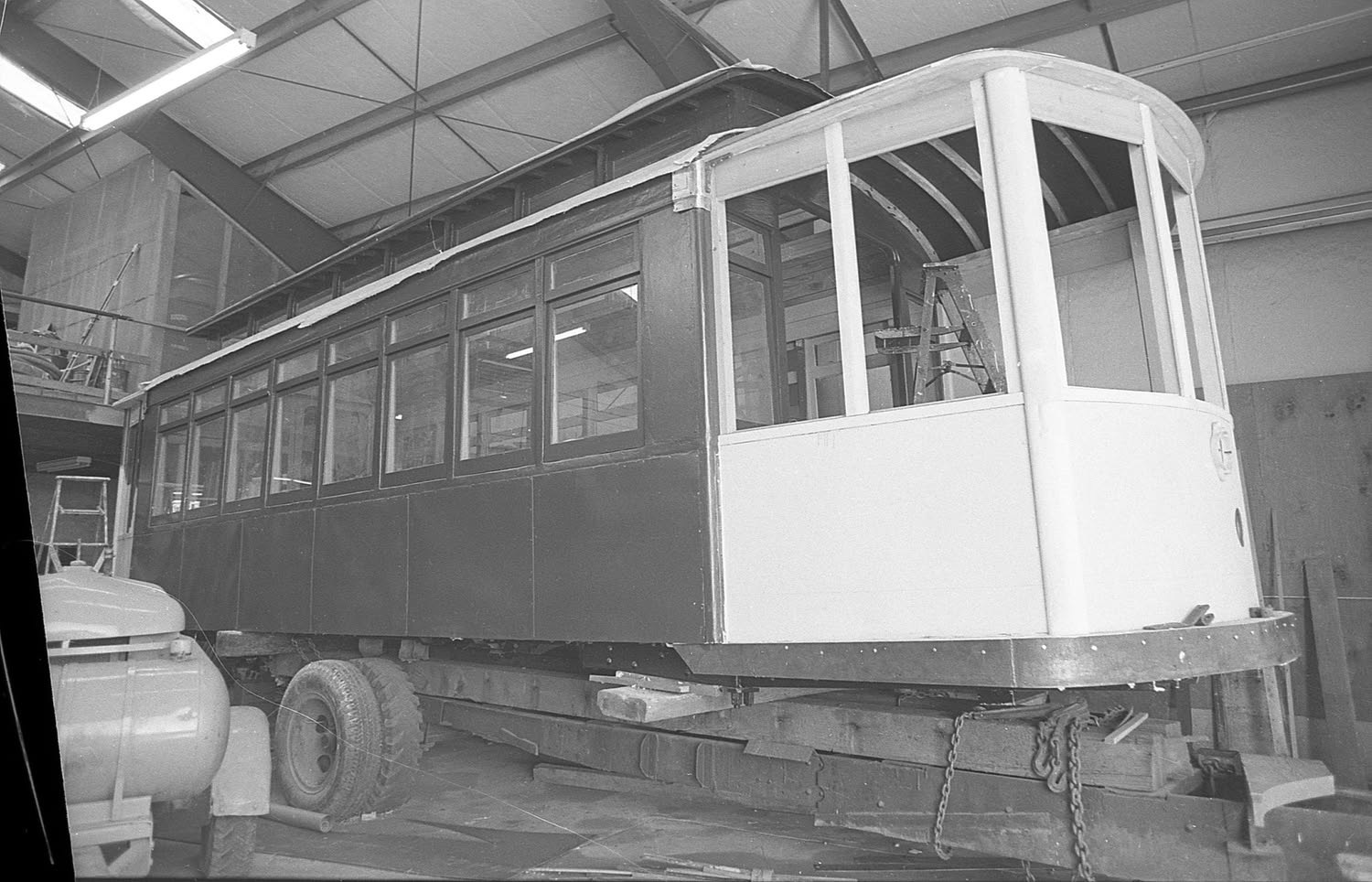
IMG_2026
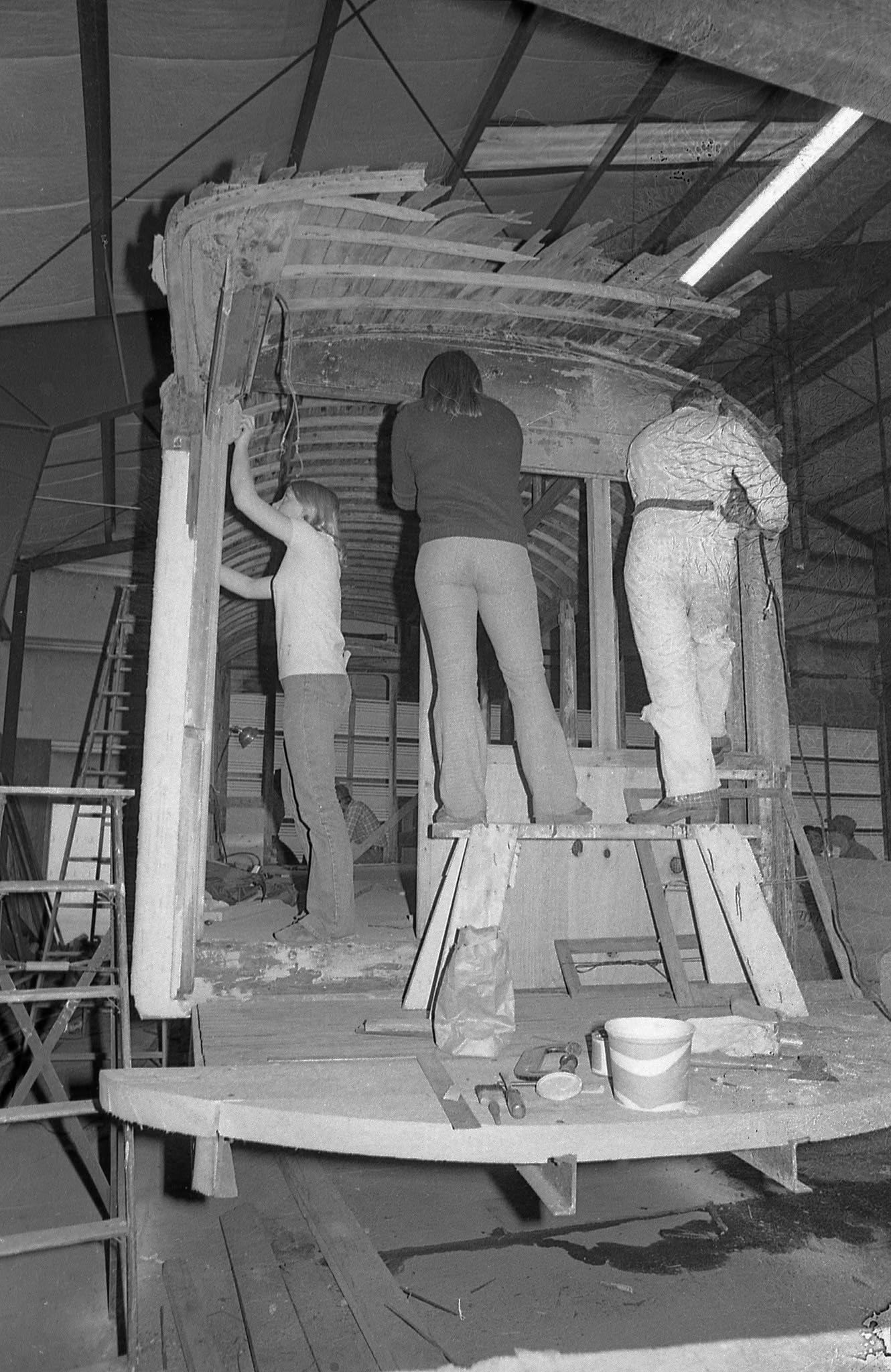
IMG_2027
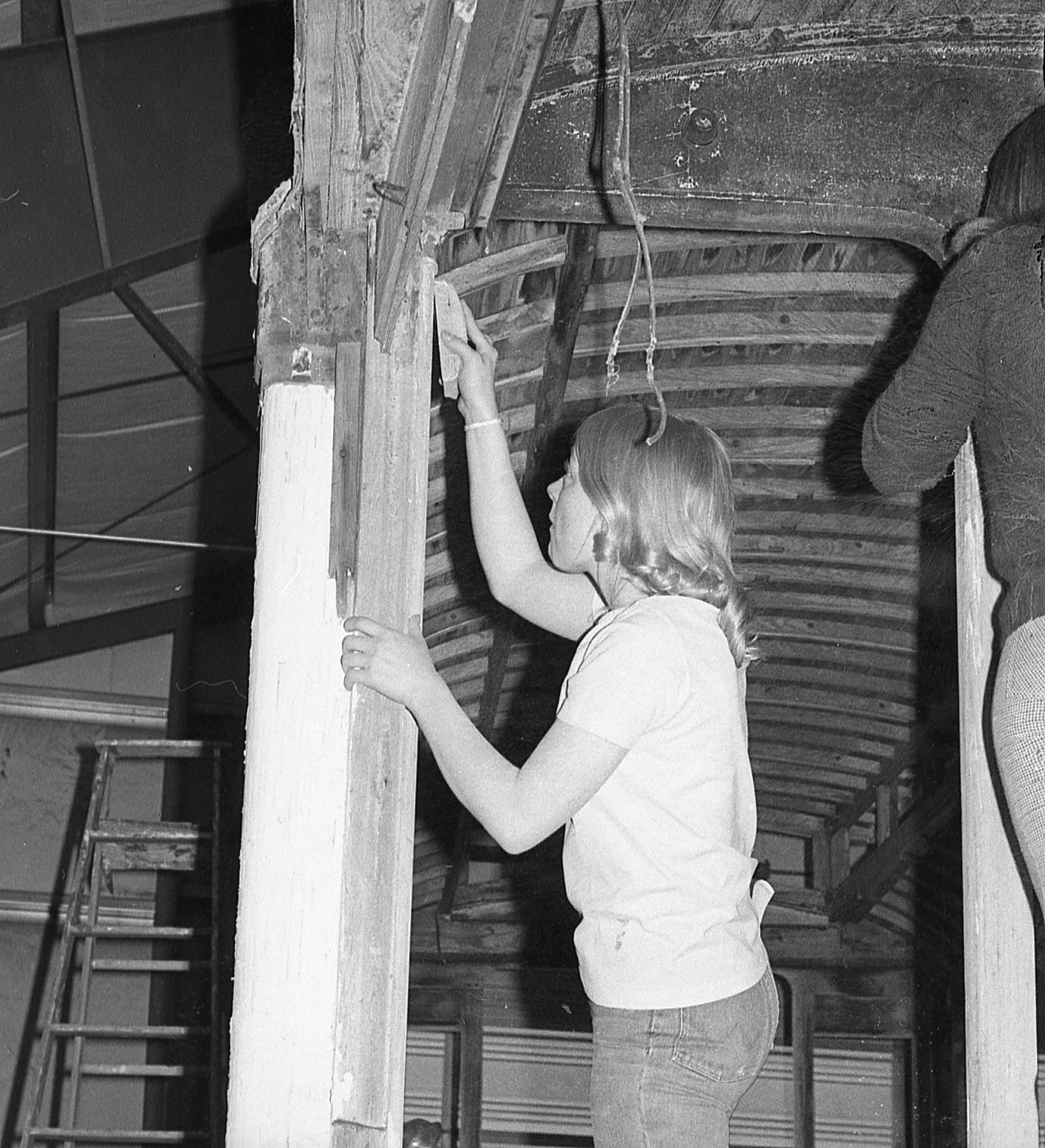
IMG_2028
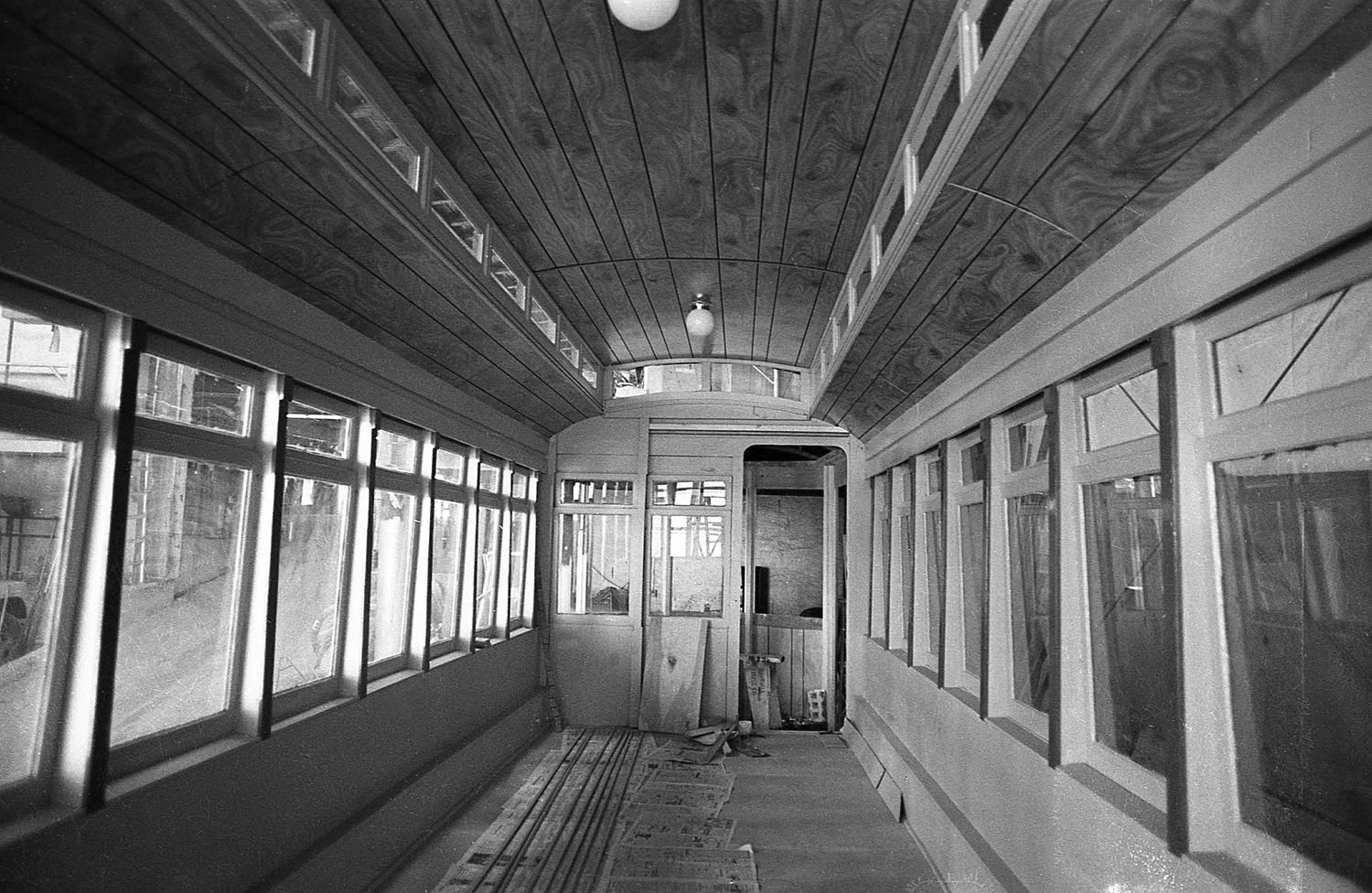
IMG_2029
IMG_2030
IMG_2031
IMG_2032
IMG_2033
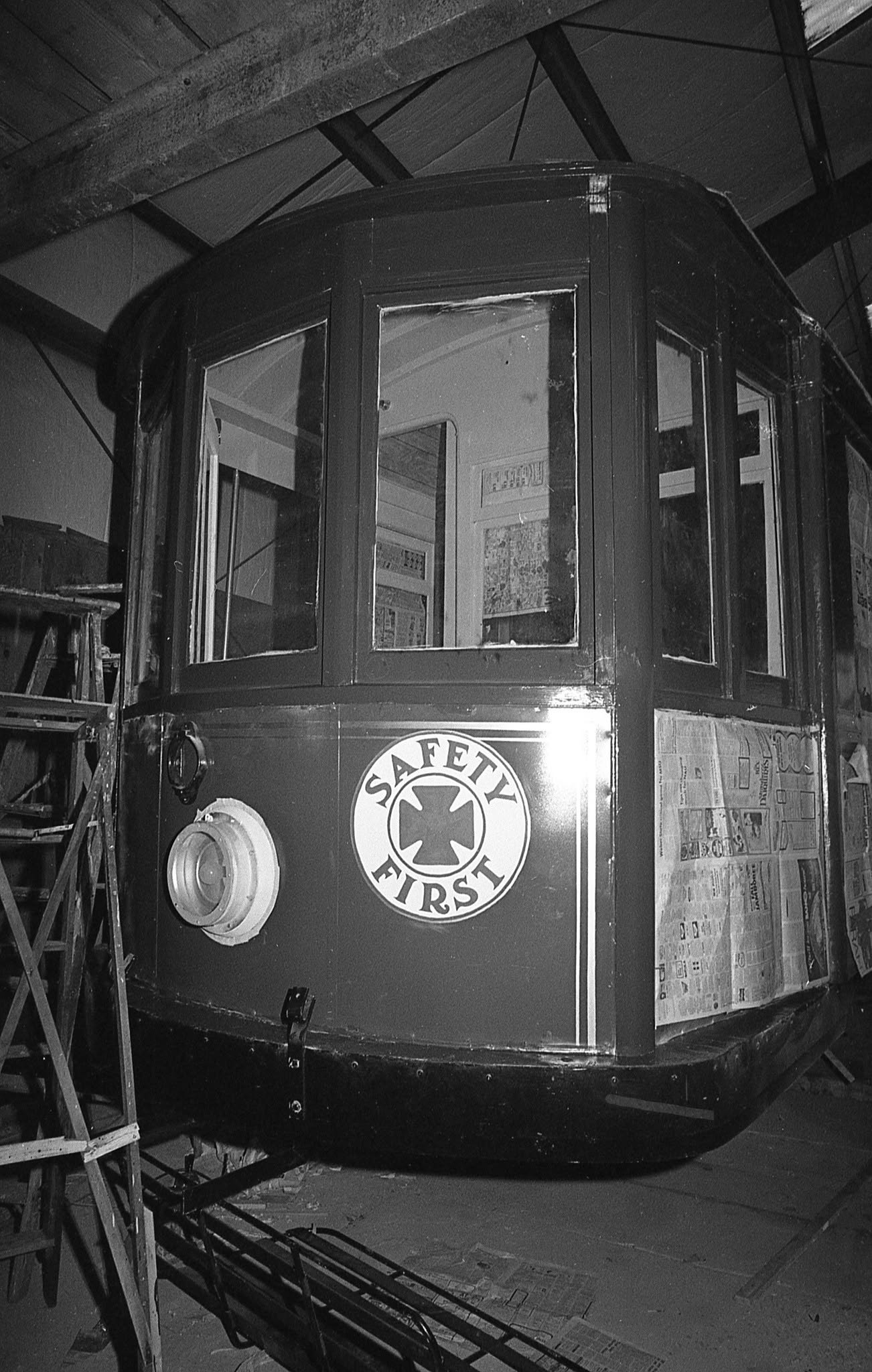
IMG_2034
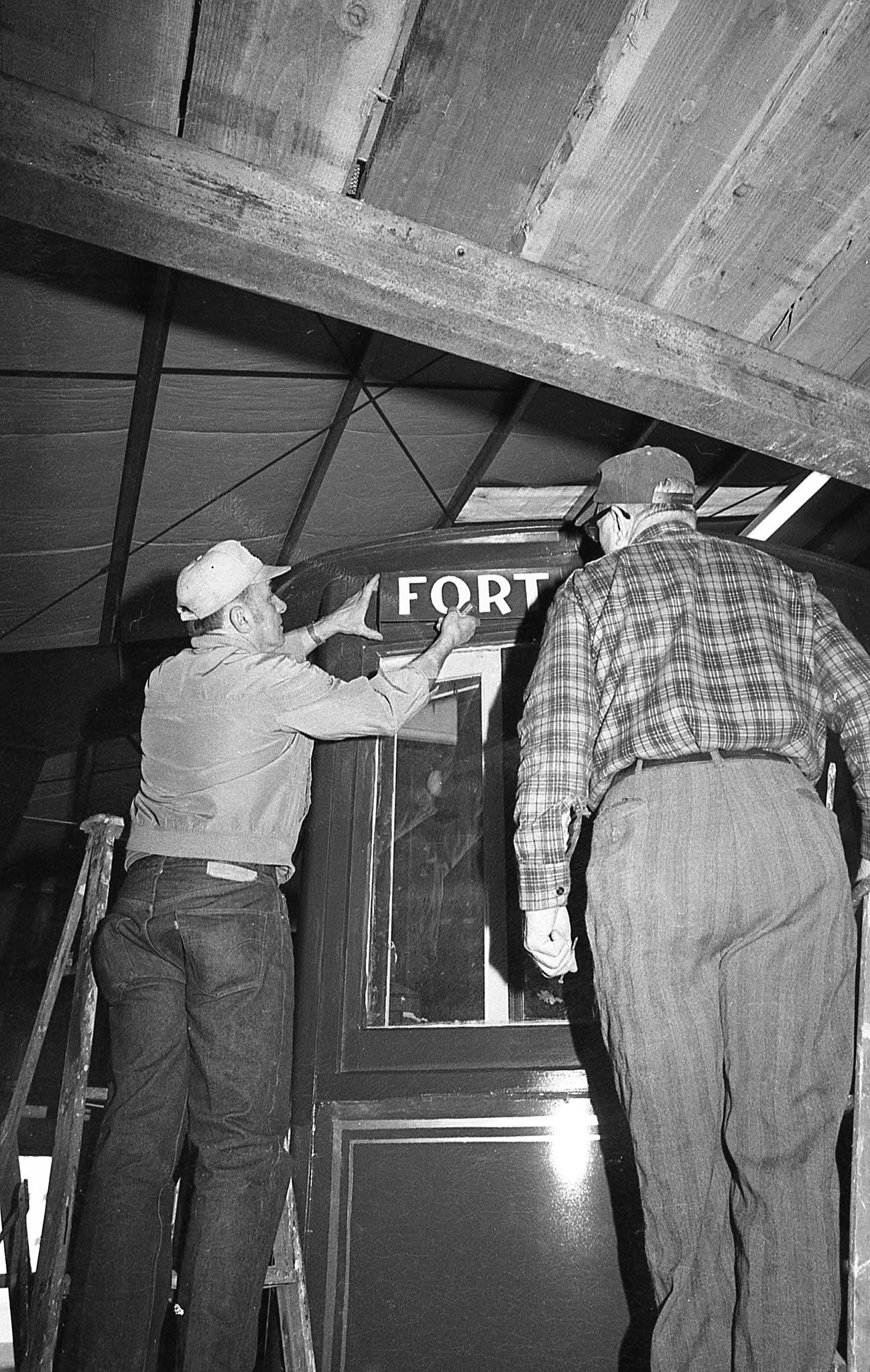
IMG_2035
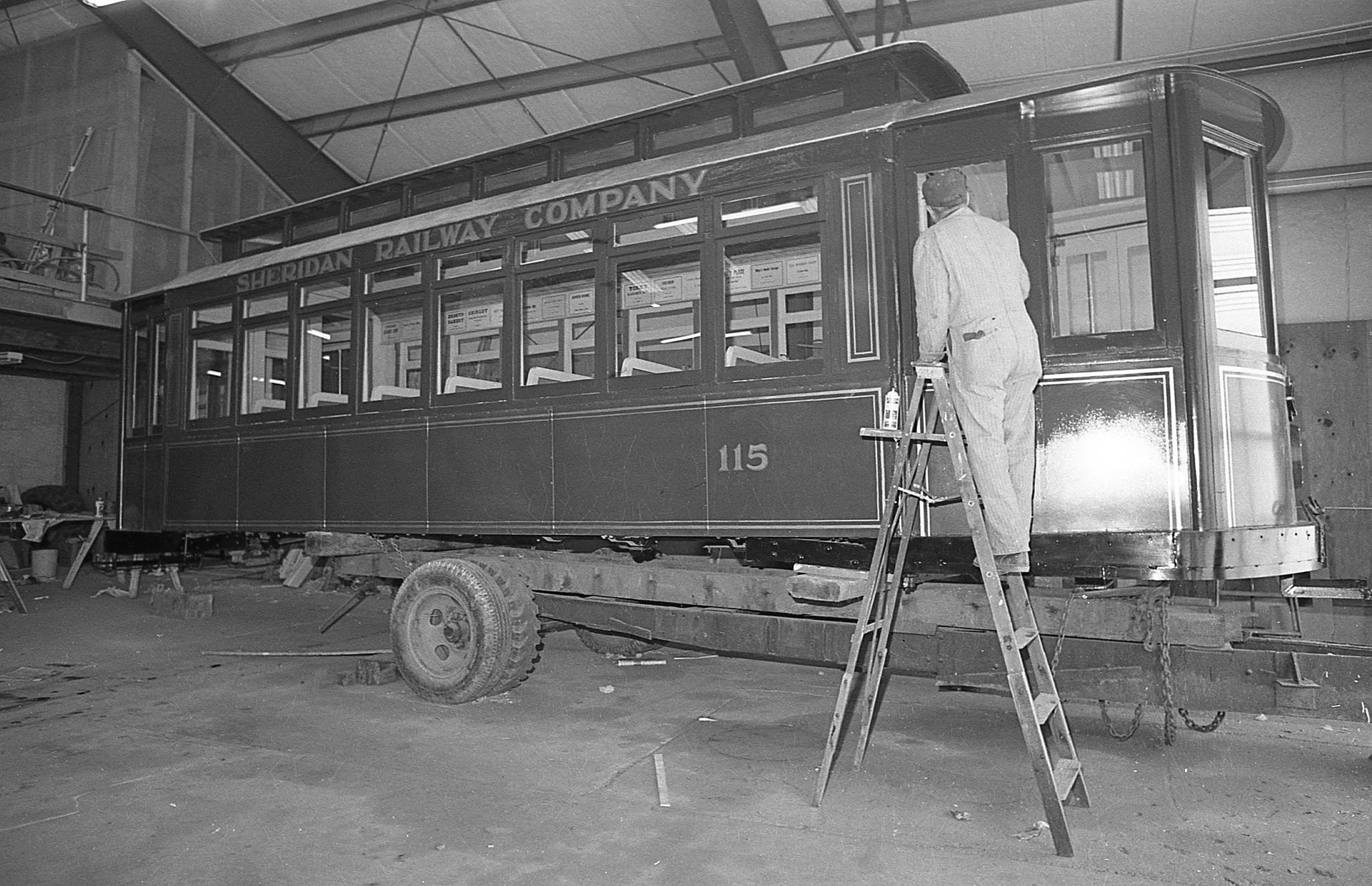
IMG_2036
Modern Video
Modern Photos
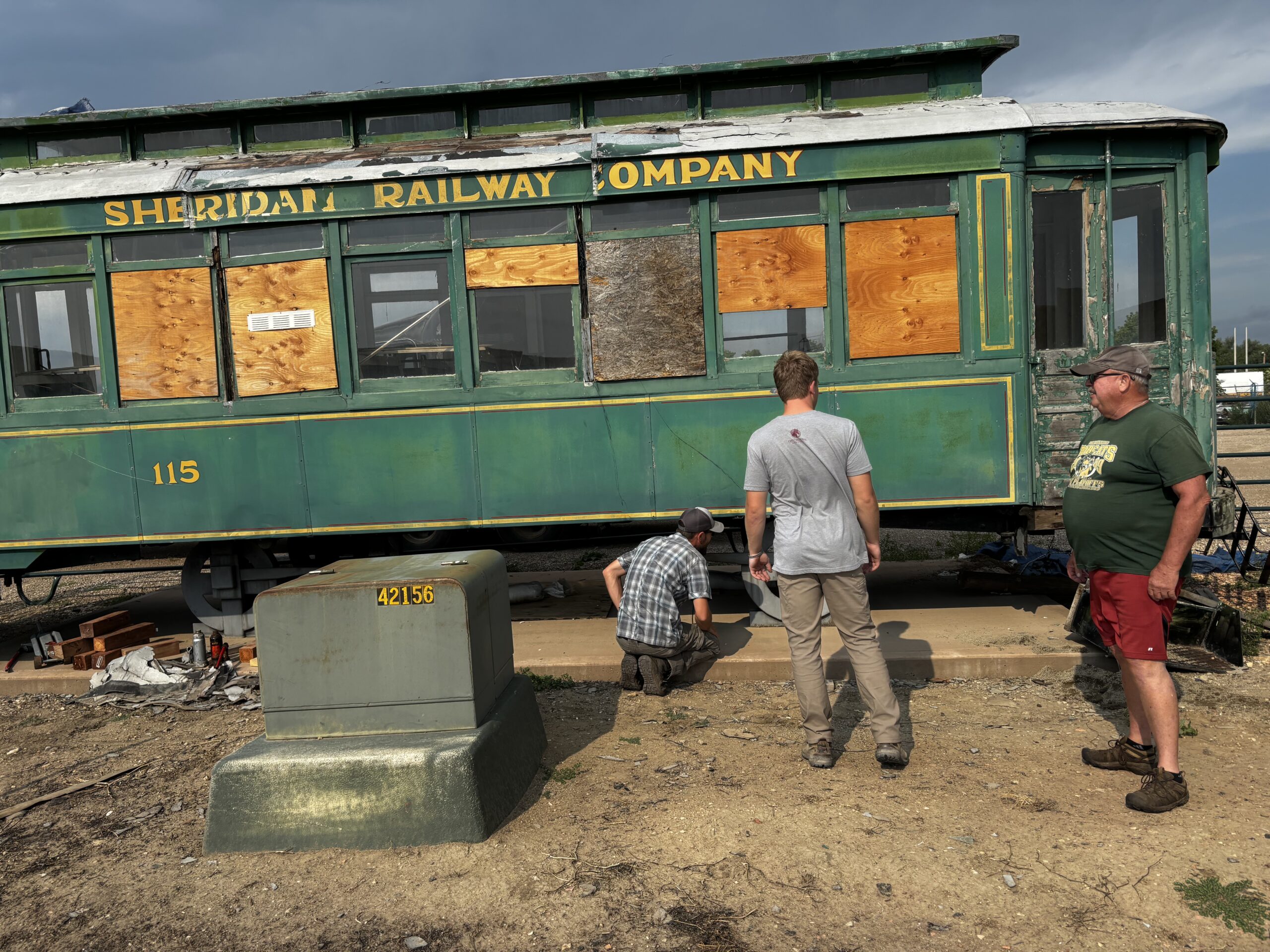
IMG_1064
IMG_1066
IMG_1067
IMG_1071
IMG_1073
IMG_1075
IMG_1076
IMG_1078
IMG_1083
IMG_1085
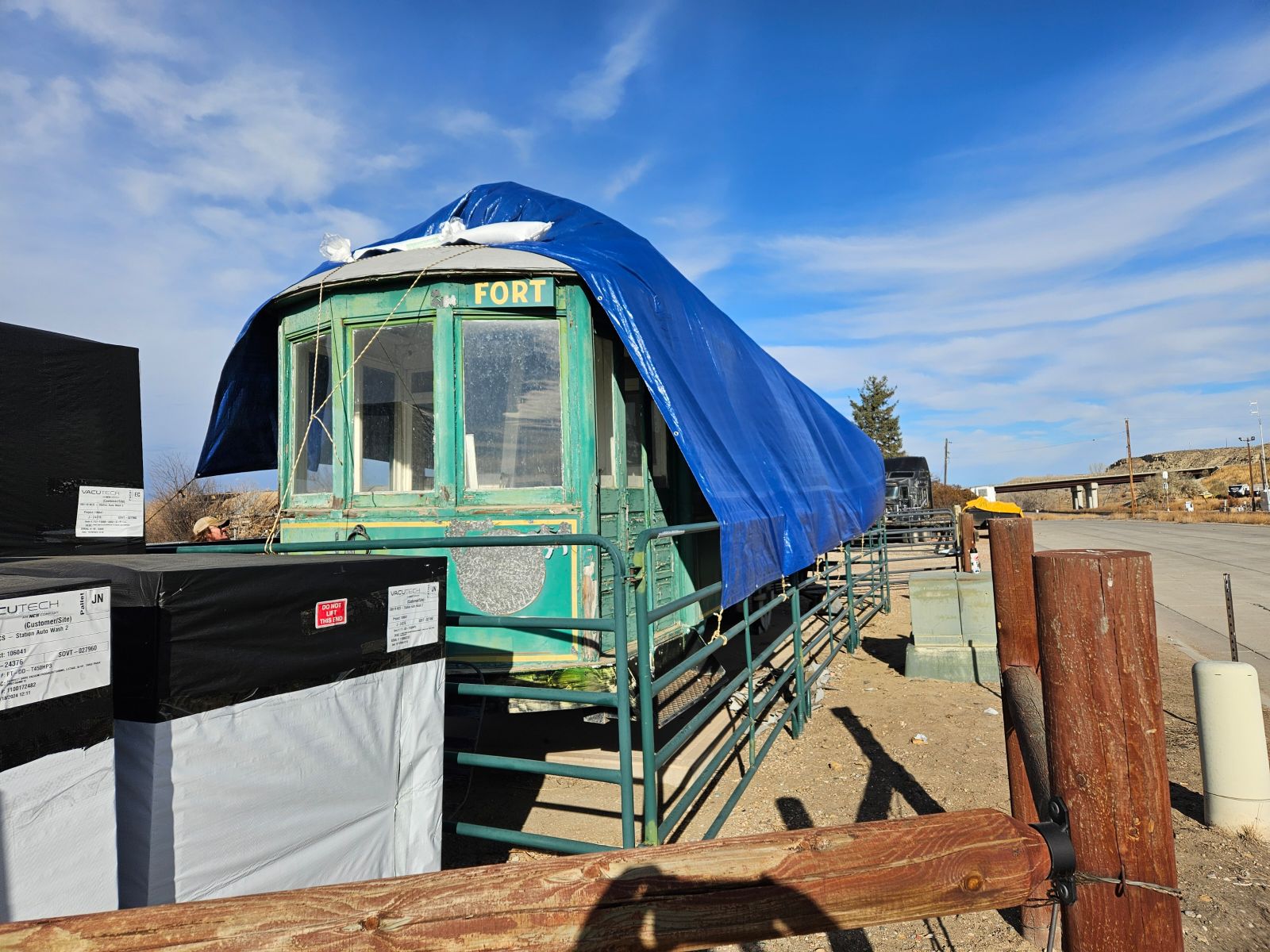
image000001
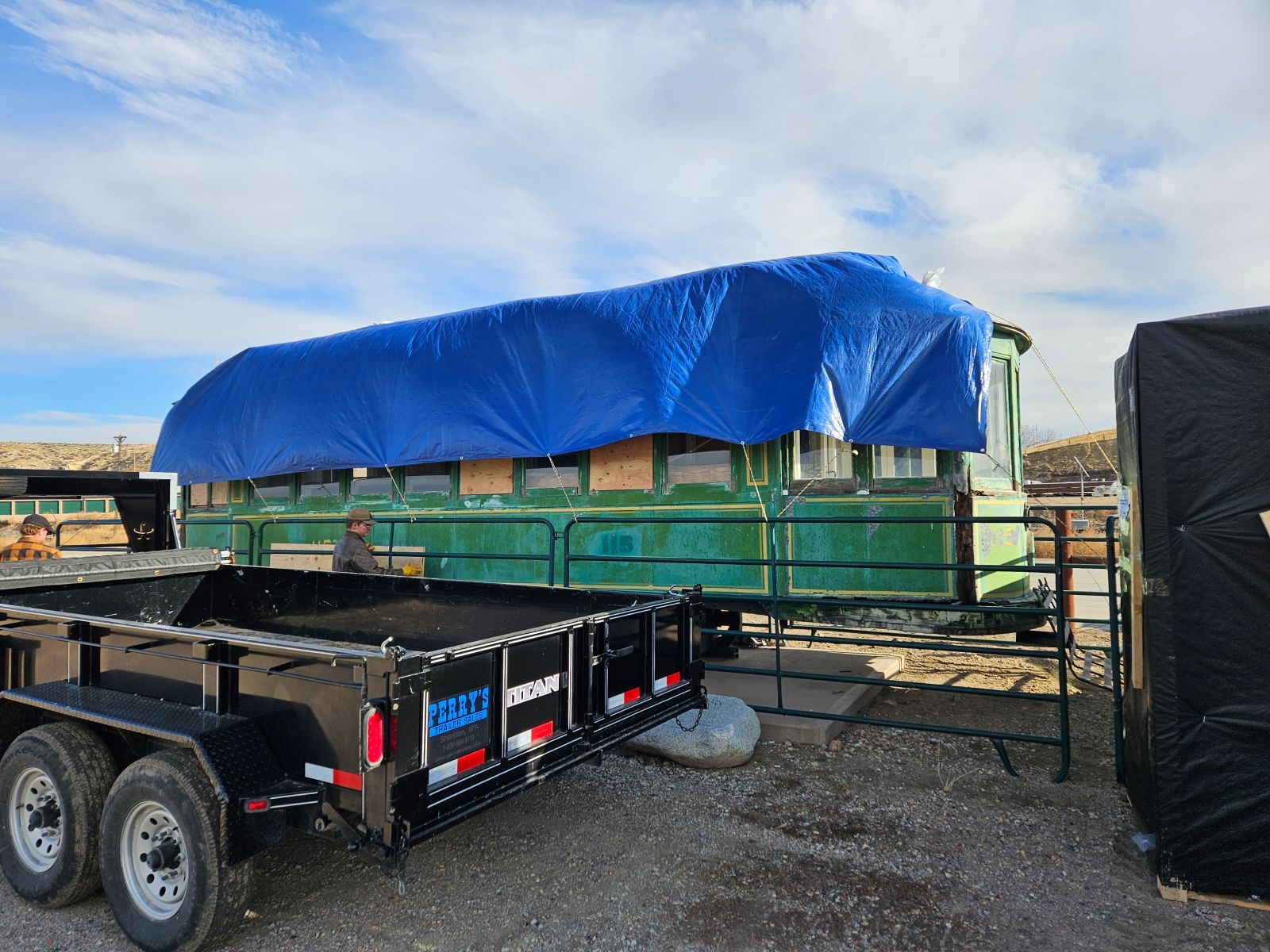
image000002
IMG_0021
IMG_0022
IMG_0023
IMG_0024
IMG_0025
IMG_0026
IMG_0027
IMG_0028
IMG_0029
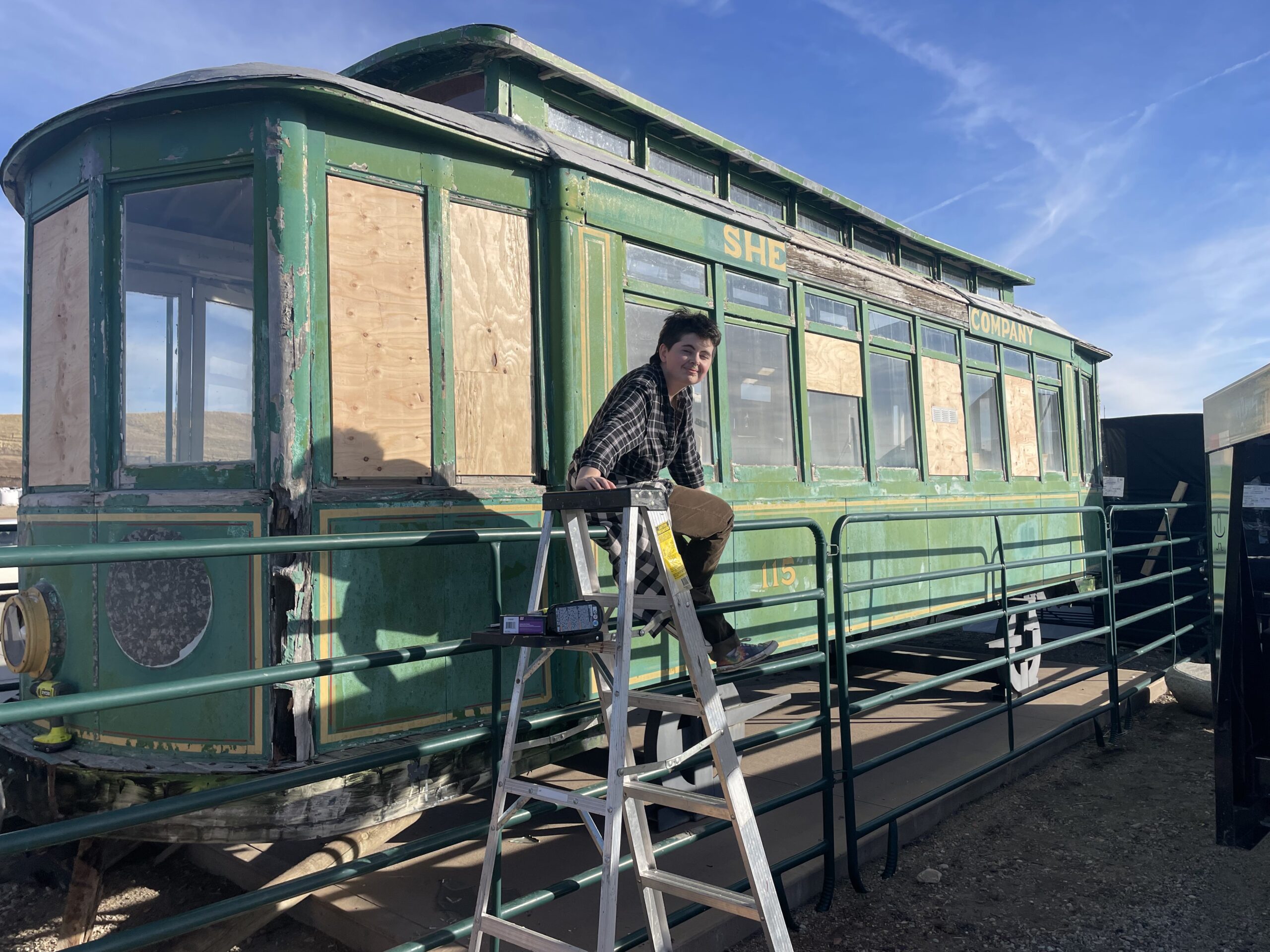
IMG_0030
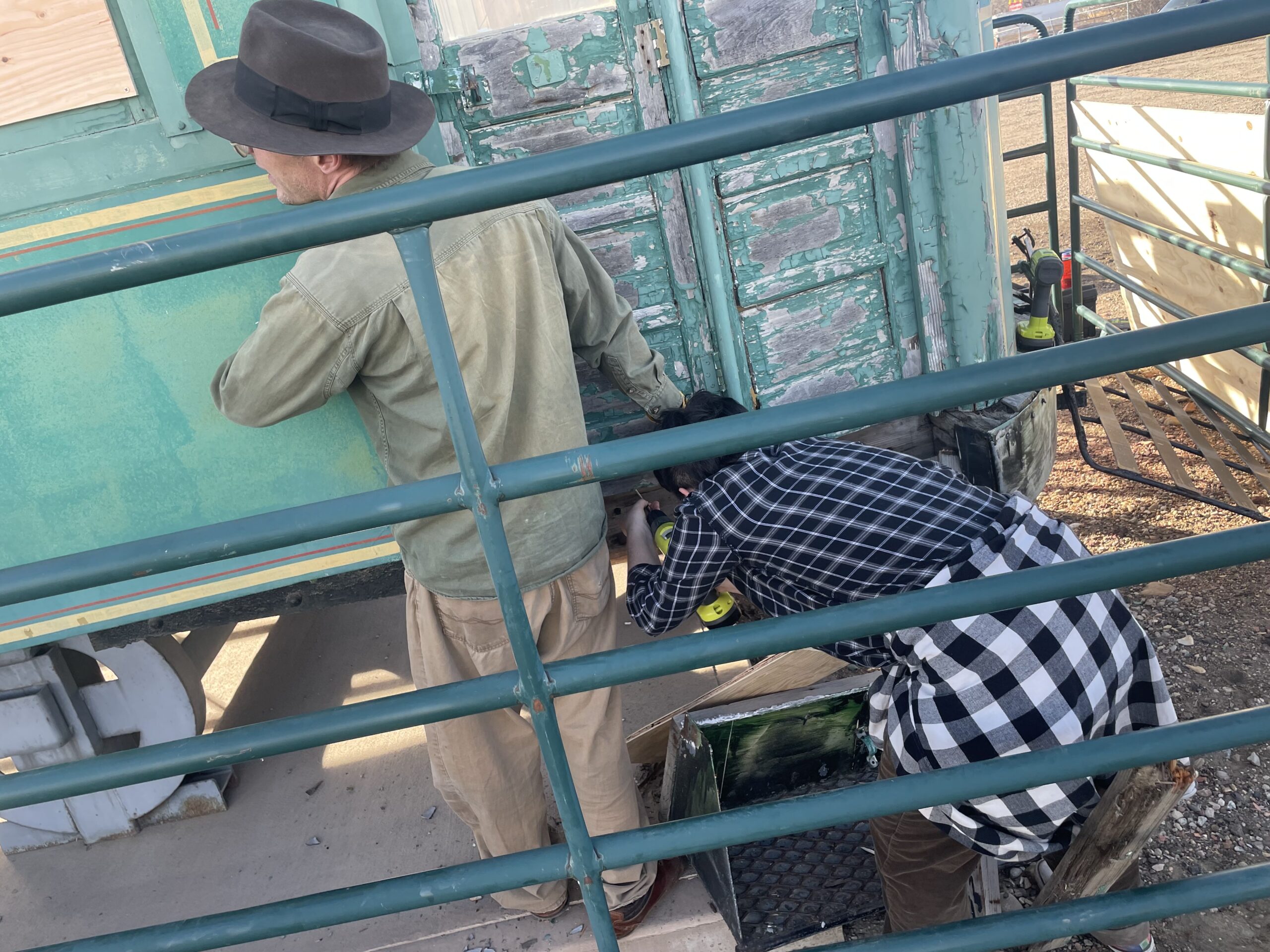
IMG_0031
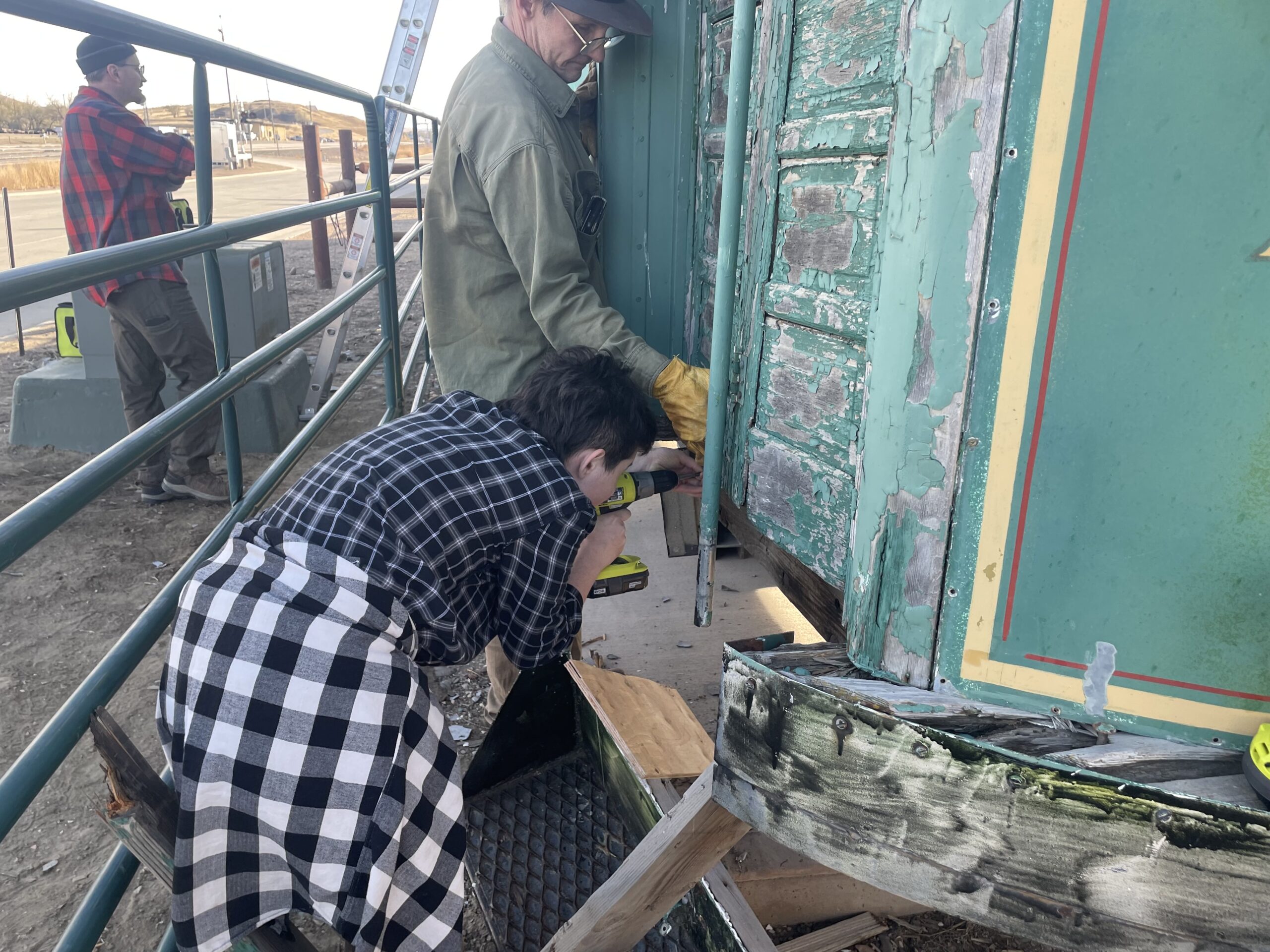
IMG_0032
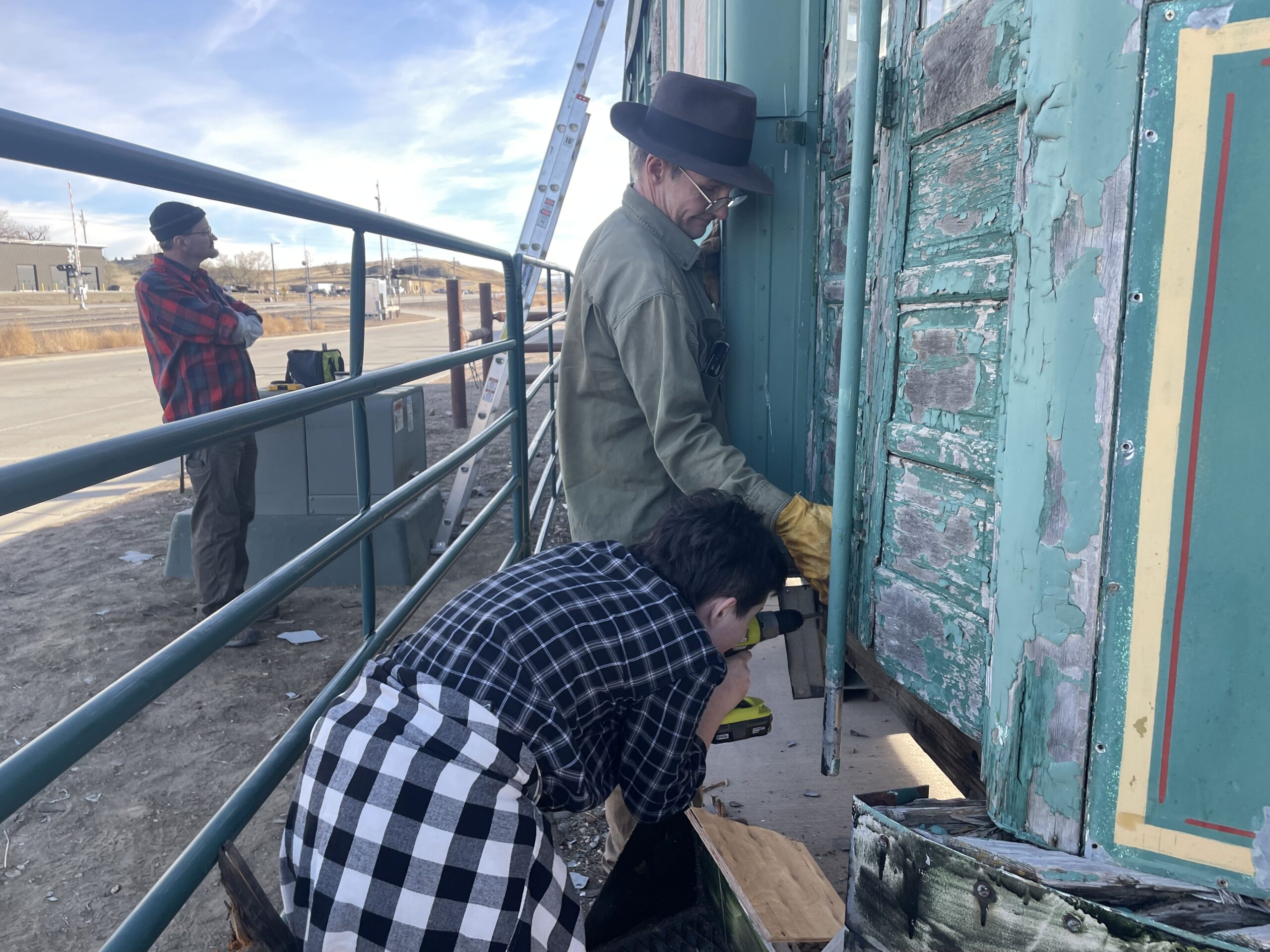
IMG_0033
IMG_0034
IMG_0035
IMG_0036
IMG_1990
IMG_20250825_200321240~2
IMG_20250825_200329842
IMG_20250825_200336113
IMG_20250825_200353099~2