SCLT is investing in smoother, more accessible trails at Big Goose Natural Area that more people can enjoy for years to come.
- What: Hard-packed crusher fines, similar to the Sheridan Pathway at the Hidden Hoot Trailhead, not loose or chunky gravel.
- Why: Better access for more trail users, a smoother and more even walking surface, improved durability in wet conditions, less maintenance and responsible long-term stewardship of the land.
- When & Where: Beginning spring 2027 on the Hay Field Loop, with improvements gradually extending to other trails and the historic streetcar display.
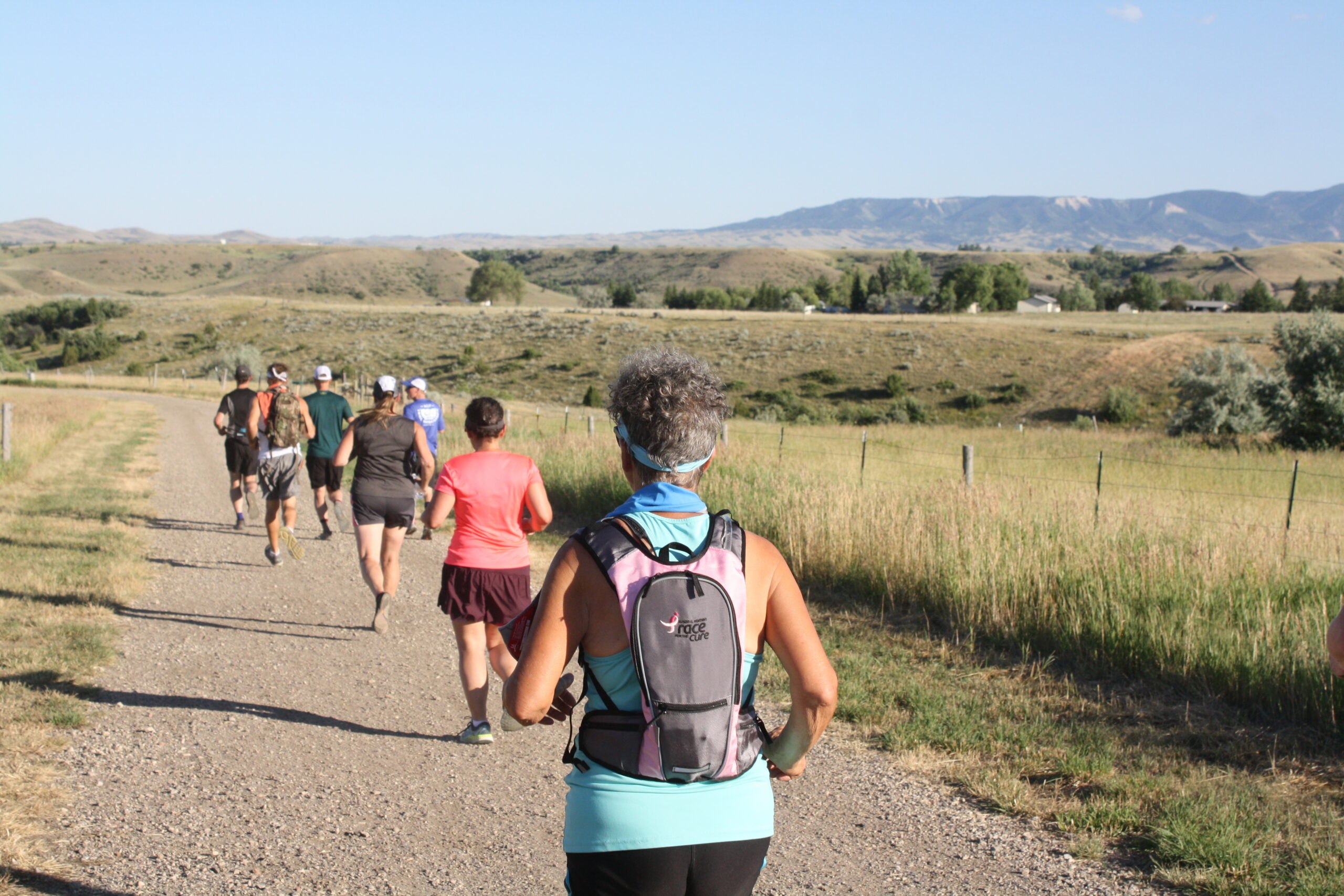
Participants in a past SCLT Discovery Session run along the Sheridan Pathway on their way to Hidden Hoot Trail. This section of the Sheridan Pathway provides a local example of how crusher fines can make trails accessible to more people in our community while improving trail sustainability and reducing long-term maintenance needs.
More people will soon have an easier way to enjoy the Big Goose Natural Area as Sheridan Community Land Trust (SCLT) prepares to improve its trail surfaces beginning in spring 2027.
And despite the term “gravel trails,” visitors shouldn’t expect loose rocks or chunky gravel. SCLT plans to use crusher fines, a finely crushed natural material compacted into a firm, durable trail surface. A local example can be found along the Sheridan Pathway at the Hidden Hoot Trailhead.
“We’ve been looking for ways to make our trails and trailheads more accessible to more people, more often,” said Jared Koenig, SCLT Director of Recreation. “We’ve reshaped turns, adjusted slopes and widened sections of trails at Soldier Ridge and Red Grade Trails. At Big Goose Natural Area, a smoother, more consistent surface will help more people enjoy the trails, including families with strollers, walkers, cyclists and people using mobility aids.”
“We’ve been looking for ways to make our trails and trailheads more accessible to more people, more often… At Big Goose Natural Area, a smoother, more consistent surface will help more people enjoy the trails, including families with strollers, walkers, cyclists and people using mobility aids.” ~ Jared Koenig, SCLT Director of Recreation.
The improved surface will also provide more even footing for walkers and runners, reducing the small holes and uneven spots that can develop in the current trail surface over time.
The improvements will begin on the Hay Field Loop and gradually extend to the Cottonwood Loop, Cottonwood Segment, Central Loop and Oxbow Loop.
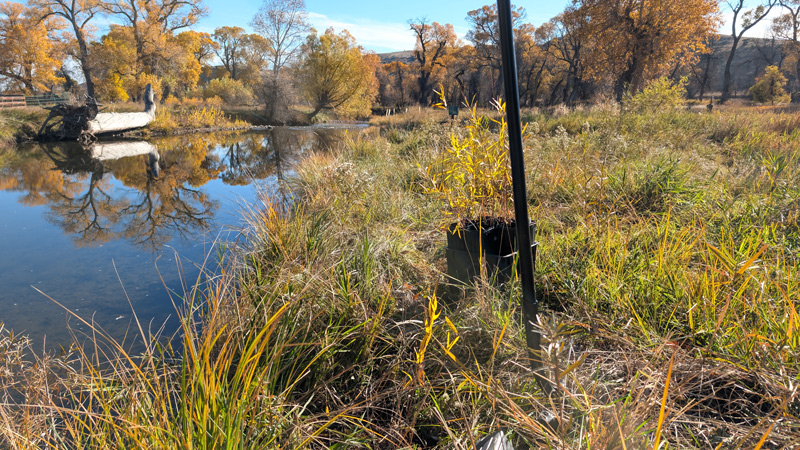
The project also addresses long-term land stewardship needs. While prolonged drought has kept many trails unusually dry, normal precipitation and snowmelt can leave portions muddy, rutted and difficult to use.
“The conditions people are seeing today aren’t necessarily what these trails will look like in a wetter year,” said John Graves, SCLT Director of Conservation & Resource Management. “Mowed grass and dirt trails can work well in some places, but across much of Big Goose Natural Area, they’re not the best long-term solution. Repeated use during wet conditions can damage the trail surface and surrounding vegetation. We want to make sure we’re protecting the land while welcoming people to enjoy it.”
“Mowed grass and dirt trails can work well in some places, but across much of Big Goose Natural Area, they’re not the best long-term solution. Repeated use during wet conditions can damage the trail surface and surrounding vegetation. We want to make sure we’re protecting the land while welcoming people to enjoy it.” ~ John Graves, SCLT Director of Conservation & Resource Management.
There’s another practical benefit, too. Keeping Big Goose Natural Area clean includes regularly emptying dog waste cans, which can become surprisingly heavy and unpleasant to haul. A durable trail surface will make it easier for SCLT’s crew to reach those cans with the Gator or other maintenance equipment without damaging the trails.
For SCLT’s Trail Crew, the improvements will also mean more durable trails that require less frequent maintenance.
“Crusher fines give us a firm, consistent surface that holds up better to regular use and changing weather conditions,” said Koenig. “That means fewer muddy sections, less time spent repairing damaged trails and more time keeping the entire trail system in good shape. It’s a practical balance of accessibility, durability and cost.”
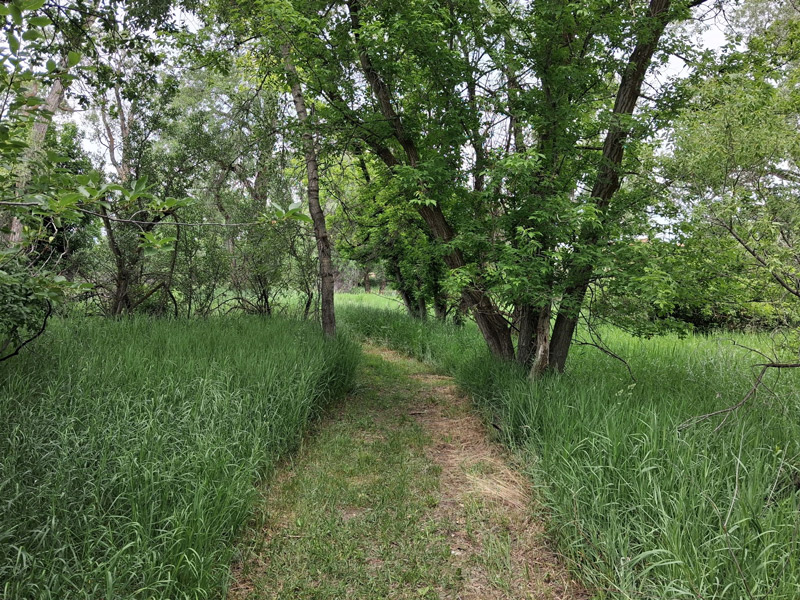
The existing grass-covered trails at Big Goose Natural Area will benefit from a crusher fines surface that improves accessibility, provides more durable footing, and reduces long-term maintenance needs.
The improved surface will also connect visitors to Sheridan’s historic Ol’ #115 streetcar display.
“Preserving history is only part of our responsibility. We also want people to be able to experience it,” said Kevin Knapp, SCLT Director of History. “Improving access to the streetcar will help more visitors connect with this important piece of Sheridan’s past.”
Funding for these improvements comes from a combination of grants and donations from community members who support SCLT’s work. Like the benches and other amenities visitors enjoy throughout Big Goose Natural Area, the improved trails are another example of how donations make a real, lasting difference in the places people use every day.
Together, these improvements are part of SCLT’s ongoing effort to make outdoor recreation and local history more accessible to more people. By investing in trails that are easier to use, more durable and better suited to the land, SCLT is building on the community’s investment in Big Goose Natural Area while taking care of it for the long haul. The goal is simple: a place more people can enjoy, more often, for generations to come.
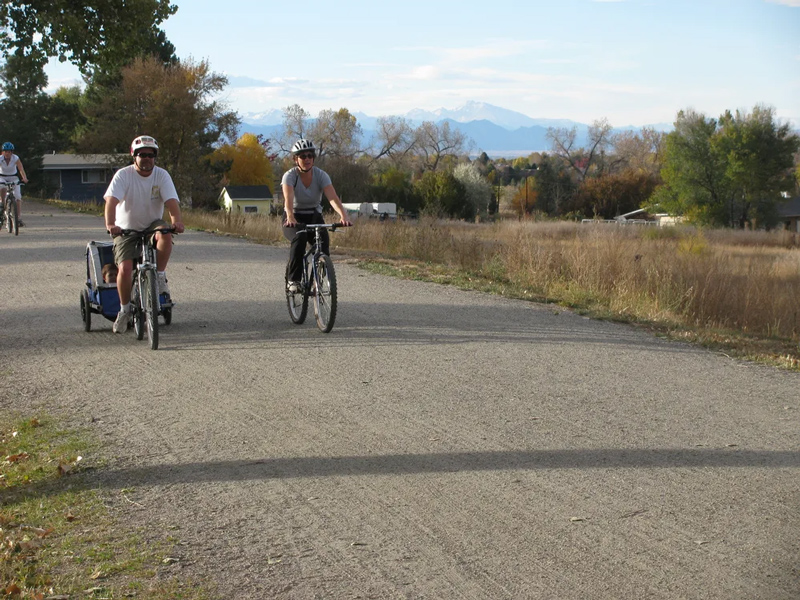
Cover image: Two bicyclists enjoy the crusher fines surface along the Highline Canal Trail in Cherry Hills Village, Colorado, an example of how this trail material can support accessible, durable recreation opportunities. Photo by Stuart MacDonald, courtesy of AmericanTrails.org.