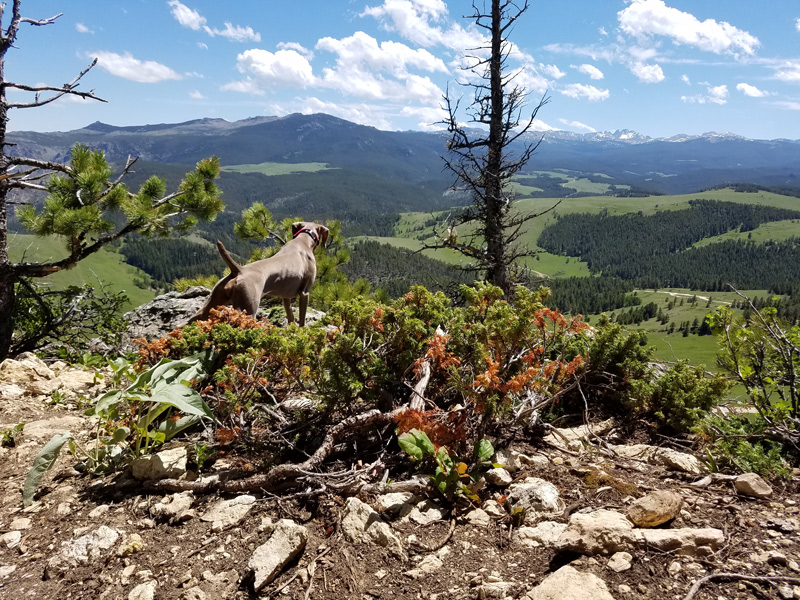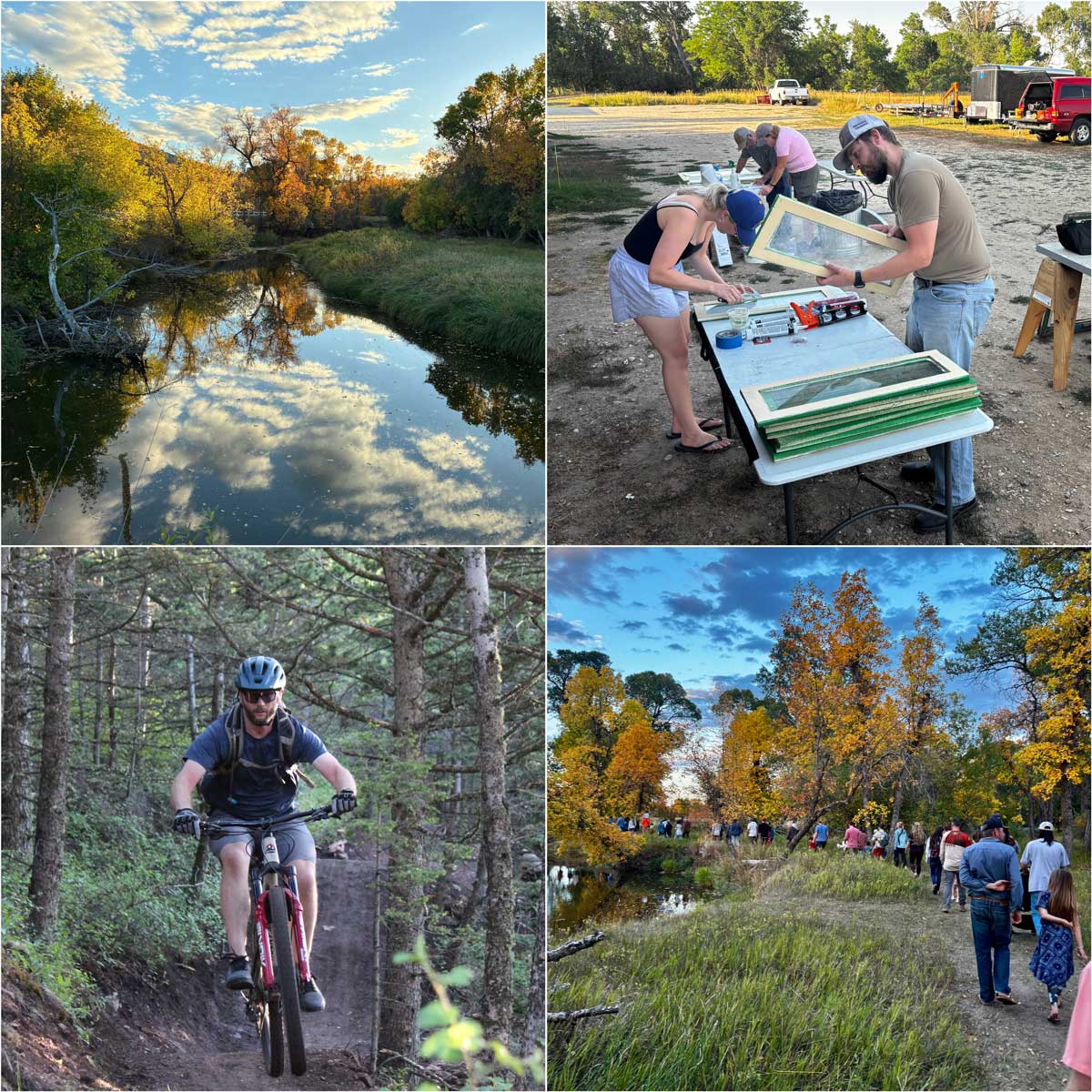

Sheridan Community Land Trust will temporarily close portions of two trail systems in October while contractors conduct aerial treatments of invasive annual grasses at Ridgetop and Gillispie Draw Natural Areas.
Ridgetop Natural Area: Oct. 17–18
Soldier Ridge Trail will be closed Saturday and Sunday, Oct. 17–18, while contractors use a helicopter to treat invasive annual grasses at Ridgetop Natural Area.
Weather permitting, work will take place over the weekend, with Soldier Ridge Trail expected to reopen Monday, Oct. 19.
Gillispie Draw Natural Area: Oct. 21–22
Hidden Hoot Trail and Hoot Loop up to its connection with The Link will be closed Wednesday and Thursday, Oct. 21–22, while a contractor conducts aerial treatment of invasive annual grasses at Gillispie Draw Natural Area.
Unlike the helicopter application at Ridgetop, this treatment will be conducted using a drone.
Weather permitting, the affected trails are expected to reopen Friday, Oct. 23.
Why Is SCLT Treating Invasive Grasses?
The treatments target invasive annual grasses, including cheatgrass and ventenata, which can spread quickly, crowd out native vegetation and increase wildfire risk.
By controlling these grasses, SCLT aims to restore native plant communities, improve soil health, improve forage for livestock and wildlife, increase drought resilience and reduce wildfire risk.
Both natural areas are managed as working landscapes that balance long-term agricultural use and community benefit. Agricultural activities, including cattle grazing, have environmental impacts, and SCLT’s responsibility is to minimize those impacts while improving the land’s long-term health.
“Invasive annual grasses can crowd out the native plants that make these landscapes healthy and resilient,” said John Graves, SCLT’s Director of Conservation & Resource Management. “Left unchecked, they can also increase wildfire risk. This treatment is about giving native grasses a better chance to thrive and protecting the long-term health and productivity of the land.”
Graves emphasized that SCLT’s stewardship goes beyond maintaining recreational trails.
“People know these areas for their trails and beautiful views, but they’re also working lands,” Graves said. “Our responsibility is to manage them for long-term agricultural use while protecting the natural resources and recreational opportunities that benefit the entire community. Managing invasive grasses is an important part of that commitment.”
SCLT is working with experienced contractors who will follow EPA application requirements, maintain protective buffers around waterways and conduct treatments only under suitable weather conditions.
Trail users are asked to respect posted closures and avoid the affected areas during treatment. No additional restrictions are planned after the trails reopen.
If weather forces changes to either treatment schedule or additional closure time is needed, SCLT will provide updates.
SCLT appreciates the community’s patience as it works to keep these lands healthy and productive for generations to come.
Frequently Asked Questions
Will the treatments harm birds, wildlife or pets?
The herbicides being used target biological processes in plants, specifically seed germination and root growth. Birds, mammals and insects do not have these same biological systems, so the products are designed to have low direct toxicity to wildlife when applied according to their labels.
Invasive grasses such as cheatgrass and ventenata also pose a serious threat to wildlife by displacing native plants that birds and other animals depend on for food and habitat. Controlling these grasses helps protect and restore that habitat.
What about impacts to streams and other waterways?
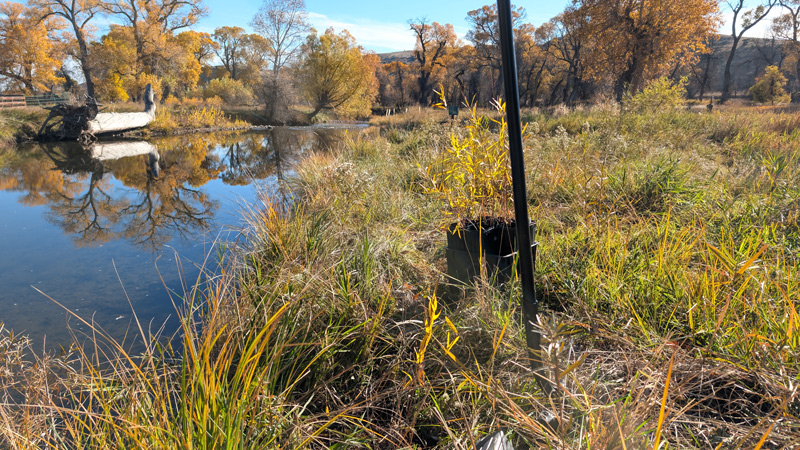
Protecting local waterways is a top priority. SCLT’s contractors follow EPA label requirements, including maintaining protective buffer zones around streams, wetlands and open water.
The products used are designed to bind tightly to the upper soil profile, limiting their movement through the soil. Applications are also scheduled during appropriate weather conditions, including calm winds, to minimize the potential for spray drift and runoff.
Will the trails be safe for my family and pets when they reopen?
According to SCLT’s conservation team, the treatments are intended to be safe for people, pets, livestock and wildlife once the spray has completely dried, typically within a few hours.
The affected trails will remain closed during their scheduled treatment dates. No additional restrictions are planned after reopening, provided the work is completed as scheduled.
If weather or other circumstances require changes to either closure, SCLT will provide an update.